
Tutto il mondo è un palcoscenico
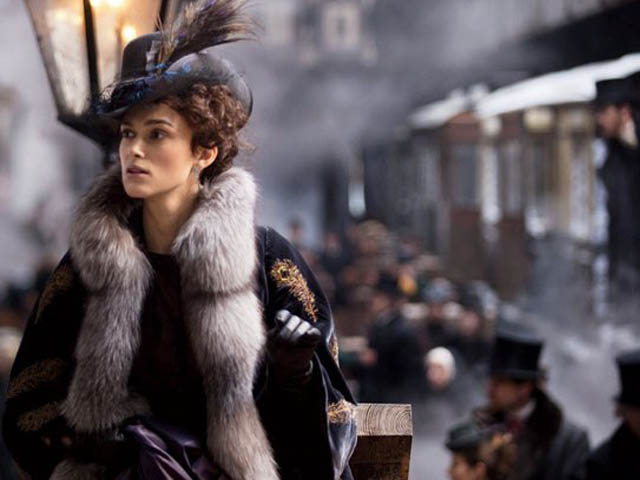
Ieri sera sono uscita con un’amica per vedere il nuovo film Anna Karenina con Keira Knightely e Jude Law. Visivamente è un film stupendo. È ricco in ogni mozzafiato e tragico dettaglio e pieno di passione sfrenata. Ma questa volta, c’è un tocco unico per la storia Tolstoy che tratta di una donna sposata con un vecchio burocrate russo che si innamora con un giovane e audace soldato: tutta la storia è ambientato in e intorno a un vecchio teatro. È una scelta creativa, certamente e una che non mi sono aspettata. All’inizio è stato strano vedere gli attori che recitavano le battute sul palco, sui balconi, dietro la quinta e anche sui travetti del teatro per raccontare la storia d’amore che eventualmente va storta e distrugge Anna irrevocabilmente.
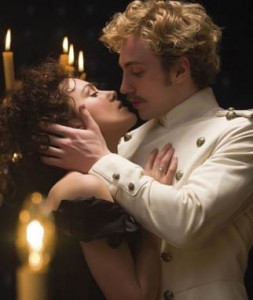
Yesterday I stepped out with a friend to see the new movie Anna Karenina with Keira Knightely and Jude Law. Visually it is a stupendous film. It is rich in every beath-taking and tragic detail and full of unbridled passion. But this time, there is an unusual twist to Tolstoy’s story about a woman married to an aging Russian bureaucrat who falls in love with a young audacious military man: the whole story it is set in and around a vintage theater. It is a creative choice and certainly not one that I expected. At first if was rather strange to see the characters acting out their parts on the stage, in the balconies, backstage and even in the rafters of this theater retelling the love story that eventually goes terribly wrong and irrevocably destroys Anna.
Si può analizzare il film, parlando di due pesi e due misure, come le donne che hanno avuto storie extraconiugali sono state bandite, mentre è stata la norma per gli uomini d’epoca di avere storie dell’amore dopo essere sposato. Possiamo anche parlare della duplicità di Anna, una donna scortese, contrassegnata per le scelte che ha fatto e che hanno tradito e ferito suo fedele marito, se non poco brillante o affettuoso. Possiamo discutere l’ingiustizia di una società privilegiata e viziata che ha condannato una giovane madre, piena di vita con amore grande per il suo unico figlio e una passione grande per il suo amante.
One can analyze the film, talking about the double standards, how women who had extramarital affairs were ostracized while it was the norm for men of the age to have affairs. We can also talk about the duplicity of Anna, an unkind woman marked for her choices that betrayed and hurt her faithful, if not lackluster husband. We can also talk about the injustice of a privileged and spoiled society that condemned a young mother full of life and love for her only child and passion for her only true love.
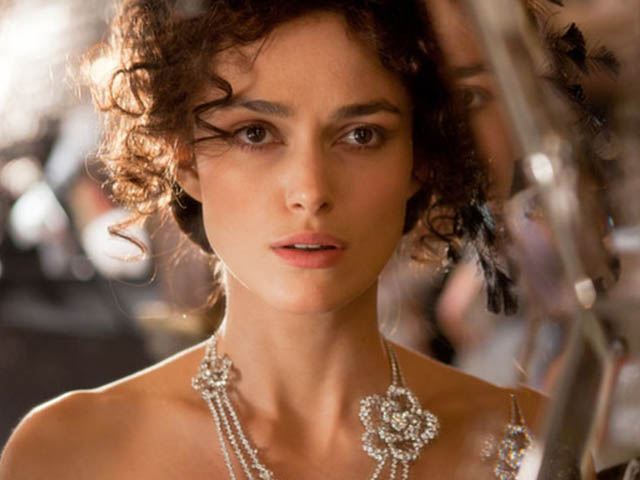
Cattiva o buona, Anna è un carattere tragico. Nel film si dice…”non c’è scelta quando c’è amore”, ma le scelte che Anna ha fatto come risultato erano distruttive e l’hanno cambiato da una bella donna ingenuamente seducente ad un’iena piagnucolante e molto antipatico, costretta a nascondersi lontano dalla società. Tolstoy fa la predica: amore immorale distrugge mentre un’amore puro basato su altre cose oltre alla passione, è l’amore che durerà.
Evil or good, Anna is tragic heroin constrained by rigid social mores. In the film they say…” There is no choice when there is love” but the choices Anna made were destructive and they changed her from a beautiful innocently seductive woman to an unsympathetic whining harpy forced to hide away from society. Tolstoy gets on his soapbox saying: immoral love destroys while a pure love based on other things than raw passion is a love that endures.
Stavo pensando al modo fantastico in cui è stato girato questo film, quasi come su un palco di vaudeville in un modo affettato e artificiale. Poi ci sono stati momenti in cui il film si lascia alle spalle la falsità del palco del teatro e ci sono scene girate in campi veri di grano e nella campagna innevata russa. Mi sono resa conto che erano solo le scene che raccontavano la storia di Levin, un ricco proprietario terriero ma socialmente imbarazzante e il suo amore per Kitty. La prima volta che l’ho notato questo è stato quando le porte del teatro sono state spalancate e Levin lascia la società per tornare alla sua fattoria. Esce nel mondo vero e il contrasto è sorprendente. Come il personaggio Pierre in “Guerra e Pace” la chiave per trovare la felicità per Levin è tornare nel paese per lavorare nel campo dove poteva sentirsi vivo e in contatto con in suoi sentimenti veri e onesti. È la falsità della società che rovina Anna, ma il codice del contadino – vivere una vita autentica – che sostiene Levin.
I was thinking about the fantastic way in which this film was shot, in an almost vaudville-esque kind of theater in a way that seemed affected and artificial. But then there were moments in which the film leaves behind the falsity of the theater stage and there are scenes thrown into the mixed shot in real fields of grain and in the snowy Russian countryside. I realized that this happened only during the scenes that tell the story of Levin, a rich but socially awkward landowner, and his love for Kitty. This happens first when the doors of the theater are thrown open and Levin leaves society to return to his farm. He walks out and into the real world and the contrast is surprising. Like the character Pierre in “War and Peace” The key to finding happiness for Levin is to return to the country to work in the fields of grain where he can feel alive and in contact with his true and honest emotions. It is the falsity of society that ruins Anna, but the code of the peasant – living an authentic life – that sustains Levin.
Nella scena finale del film si vede il marito di Anna e dei suoi figli che giocano in un campo di fiori di campo, ma la fotocamera si tira indietro e siamo di nuovo in teatro dove viene riempito totalmente con i fieri. Forse il messaggio: la passione e l’amore, l’impegno e l’innocenza della gioventù, autenticità di se stessi e gli artifici di società, in qualche modo devono essere integrati in un delicato equilibrio per creare una vita felice. Ad ogni modo, mi raccomando. Andate a guardare il film per vedere tutta la bellezza.



mi hai incuriosito molto, vado a vederlo sicuramente
Bell’articolo,purtroppo il film uscirà qui solo a febbraio ma ho già prenotato i biglietti.Leo
P.S. Melissa,Buon Natale e felice Anno Nuovo a te a tutti i tuoi cari!