Diario di una studentessa matta
Blogging & tweeting in Italian to improve language skills. I am a graphic designer with a Masters in Art History, sharing my thoughts & stories about Italia
Layout Image
  • Blog
  • About
  • Learning
    • Cyber Italian : Online
    • Yabla Languages : Online
    • Venice Italian School
    • Rocket Italian Language Lessons : Online
    • Lucca Italian School
    • Homestay in Italy & Personalized Italian Instruction with Lucia De Zuani
    • Ultralingua Dictionary & Reference
    • Transparent Language Books & Tapes
    • Maxmondo: Incontro Italian Audio Rivista
    • LiveScribe Pen
    • Learn Out Loud
  • 2013 Venice
  • 2013 Basilicata
  • 2013 Puglia
  • Books/Film
    • Italian books & movies at Amazon
    • IBS Internet Bookshop: Italy
    • Barnes & Noble Books & Film
    • Alibris Book Store
    • e-campus Books
  • Music
  • A-Store
  • Gifts
    • The Art of Cartapesta of Maestri Baldari: Nativity Sets
    • Sorella Luna
    • Gioia Company
    • Marcopoloni Leather Goods
    • Forzieri Italian Style
    • Sur la Table – Kitchen
  • MattaDesign
  • Eng

Archive for i sassi

Guest blog di Luigi Mazzoccoli: Matera, il lungo viaggio nel tempo della Città dell’Uomo

By Melissa · Comments (1)
Friday, December 7th, 2012

(To Read in English) Come molti di voi già sapete, a settembre 2013 torno a Matera per un’escursione culturale e linguistica with Ilaria Navarra. Ho visitato Ilaria e Matera solo una volta e ora “ho sete” di sapere più di questa terra magica. Recentemente su internet ho avuto la fortuna d’incontrare Luigi Mazzoccoli,una guida turistica di Matera. Mi piace molto la sua pagina di Facebook che è dedicata alla città di nascità. Le foto che lui pubblica sulla pagina mi tolgono il fiato. Che bellezza serena e reali può essere trovato nella Basilicata. Che contrasto d’antichità, terra, architettura e civiltà! Ho chiesto Luigi di scrivere un guest blog ecco il suo articolo:

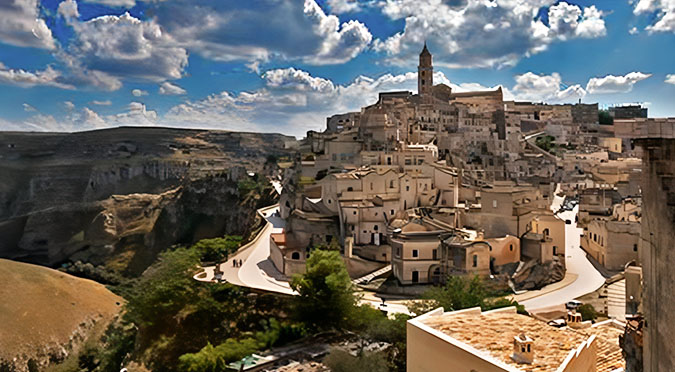
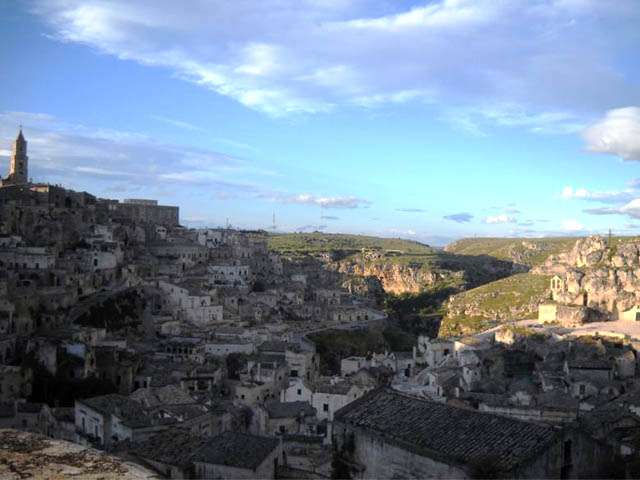
Matera: La città più antica del mondo. Un abusato luogo comune, se non una banale semplificazione. La città dei Sassi probabilmente non lo è, anche perché è impossibile documentare un’affermazione così impegnativa, anche per le altre “pretendenti” a questo titolo. Un altro però a Matera spetta di diritto: la città dell’Uomo. Già, sono pochi i posti al mondo dove sono tuttora ben visibili le tracce della presenza umana ininterrotta lungo circa 20.000 anni, dalle grotte del Paleolitico nel canyon della Gravina sino alla modernità dei nostri giorni.

Una lunga e intensa vicenda ricostruita dalle preziose testimonianze degli storici del passato, con la fondamentale spinta data poi dalle eccezionali scoperte di fine ‘800 di Domenico Ridola, medico di professione e (grande) archeologo per passione. Una prima sommaria ma attendibile ricostruzione ne fece l’abate Marcello Morelli nella sua “Storia di Matera”, che nel 1963 inaugurò un periodo di grande fermento culturale. Culminato poi esattamente trent’anni dopo con “I giardini di pietra” dell’architetto Pietro Laureano, opera altrettanto fondamentale, nata infatti dalla relazione a lui commissionata dall’amministrazione comunale e poi risultata determinante per il riconoscimento della città quale Patrimonio dell’Umanità da parte dell’Unesco nel 1993:

“I flussi idrici che provenivano dal piano e dalle colline argillose – vi si legge – venivano captati, incanalati e ripartititi verso le grotte e i gradoni di erosione. Questi vengono poi organizzati in un sistema di terrazzi che rompe l’impeto delle acque e favorisce la formazione di terreno fertile. Tale struttura è la trama matrice di un sistema urbano complesso formato dalla composizione di elementi di base: grotte, costruzioni di tufo, giardini pensili, canali e cisterne, percorsi e vicinati. Si realizza così un sistema globale frutto della corretta economia e gestione delle risorse rare, un’organizzazione urbana basata su spazi e architetture dell’acqua, della luce e del vento”.

I Sassi rappresentano quindi una splendida quinta che si apre sulla storia millenaria di una civiltà perpetuatasi sino ai nostri giorni. E che oggi si offre a ospiti e visitatori provenienti da tutto il mondo, esaltandone ad un ad uno i cinque sensi. Se ne incontrano ormai ogni giorno e per tutto l’anno, arrivano da ogni paese d’Europa, ma anche da Stati Uniti, Canada. Sudamerica, Israele, Australia, Nuova Zelanda, Giappone…Spinti da spirito di avventura, curiosità e voglia di scoprire. Che li porta in un luogo di cui prima non sapevano nulla, che addirittura alcuni non conoscevano affatto o avevano a malapena sentito nominare occasionalmente. Ma poi tutti vi trovano molto di più di quello che si aspettano, addirittura ben oltre la loro immaginazione. Eppure è gente abituata a viaggiare per il mondo, che di solito è già stata in Italia e giunge in Lucania dopo le classiche tappe di Venezia, Firenze, Roma…Ma “un posto così non l’avevamo mai visto” dice qualcuno. E per tutti Matera è comunque “charming” (incantevole), “gorgeous” (splendida) e soprattutto “amazing” (incredibile, stupefacente) parole in inglese invariabilmente pronunciate alla fine del loro breve giro, dopo aver solo saggiato la storia millenaria e l’unicità paesaggistica e architettonica dei Sassi e della Murgia. Così tutti alla fine si ripromettono di tornare e magari fermarsi qualche giorno. E scoprire che…dietro e oltre i Sassi c’è molto di più. C’è infatti un luogo “senza tempo”, “sospeso nella Storia”, come invece lo definiscono i visitatori italiani.

Del resto Matera è “città di confine, di contrasti – dice Lorenzo Rota nel suo “Storia di una città” – città di competizione e di fusione tra paesaggi, civiltà e culture diverse. Oggi la città antica e l’altipiano Murgico frontistante, ad essa legato da stupefacenti prospettive, costituiscono un unicum urbanistico-naturalistico, ancora pressoché integro, di straordinario interesse e qualità, ricco di segni contrastanti, a volte primitivi, quasi magici”.

Già, il più magico dei luoghi.

Comments (1)
Categories : language learning, Travelling in Italy
Tags : i sassi, Italy, Luigi Mazzoccoli, Matera

Guest blog by Luigi Mazzoccoli: Matera, the long journey back in time to the original City of Man

By Melissa · Comments (0)
Friday, December 7th, 2012

(To Read in Italian) As many of you already know, in September 2013 I am returning to Matera for a language and cultural excursion tour, with Ilaria Navarra. I visited Ilaria and Matera just once and now I am thirsty to know more about this magical land. Recently on the internet I had the good fortune to meet Luigi Mazzoccoli, a tour guide in Matera. I like Luigi very much, as I do his Facebook page which is dedicated to his “paese”. The photos he publishes to his page just take my breath away. What serene and majestic beauty can be found in the Basiliata. Such a contrast of age, terrain, architecture and civilizations! I asked Luigi to write a piece for the blog and here is the English translation that I have made of his original piece written in Italian:

Matera: the oldest city in the world. Perhaps an abused cliché, but I assure you, it is not a trite over simplification. The city of Sassi probably isn’t the oldest, as it would be quite impossible to document such a daunting statement, as it would be for all the other “pretenders” to the title. Perhaps a better descriptor for Matera is: the city of Man, as there are few places in the world where one can find still visible traces of continuous human presence in the caves in the canyon Gravina, that date back 20,000 years to Paleolithic times.

Matera’s ancient history is a long and intense story reconstructed from valuable testimonies of past historians, such as the exceptional findings made in ‘800 by Domenico Ridola, a doctor by profession and a great and passionate archaeologist. In 1963 the abbot Marcello Morelli wrote the first brief but credible reconstruction of Matera in his essay “History of Matera”. As a result of his efforts a great cultural interest in the area was born. Exactly thirty years later the architect Pietro Laureano culminated these historical findings in a book called “The Gardens of Stone”, which was actually the fruit of a commissioned assignment by the city council which resulted in the city’s recognition by the Unesco World Heritage committee in 1993:

“The water flows coming from the plane and the clay hills - it says - were captured, and channelled into the caves and the terraces of erosion. These are then organized into a system of terraces that breaks the momentum of the water and allows the formation of fertile soil. This structure is the plot matrix of an urban complex made up by the composition of basic elements: caves, buildings tuff, roof gardens, canals and reservoirs, routes and neighborhoods. Thus was the result of a global economy and proper management of scarce resources, an organization based on urban spaces and architecture of water, light and wind”.

The Sassi, or original cave dwellings of Matera, provide a beautiful behind the scenes sneak peek into an ancient civilization that continues to reveal itself to us today and offers guests and visitors that come from all over the world a treat for all five sense. Everyday and all year long you can meet people from every part of Europe, the U.S., Canada, South America, Israel, Australia, New Zealand, Japan and Taiwan. Driven by the spirit of adventure and curiosity, these visitors come to explore and discover a place unique and rare. In Matera these visitors find more than they had bargained for or even imagined. Although they are seasoned travelers and have spent time in other parts of Italy such as Venice, Florence, Rome…when they arrive in the Lucania and after they have wandered through the Murgia and into Matera and have seen the unique landscape and architecture of the Sassi they exclaim: “Gorgeous!”, “Charming”, “Amazing!”, “We never expected to see such a place!” And they all vow to come back and spend more time in Matera. They realize there is still so much to know about the place, the Sassi…indeed a place “timeless” and “suspended in history”.

Lorenza Rota says in his book “Storia di una città/Story of a City” “Matera is a border city – a city that has struggled to blend a rugged landscape with many diverse cultures and civilizations. Today the old city and the ancient Murgia platea are bound by dizzying perspectives that combine to form a unique urban and natural conglomeration, that for the most part is still structurally intact and in extraordinary good quality, that is full of contradictory messages, at times primitive and other times flights of fancy.

Yes, the most magical of the places

Comments (0)
Categories : English Articles
Tags : i sassi, Italy, Luigi Mazzoccoli, Matera
babla_award

venetianmaskEmail: melissa@studentessamatta.com

Enter your email address:

Delivered by FeedBurner

Follow @italiamelissa

Archives

  • May 2013
  • April 2013
  • March 2013
  • February 2013
  • January 2013
  • December 2012
  • November 2012
  • October 2012
  • September 2012
  • August 2012
  • July 2012
  • June 2012
  • May 2012
  • April 2012
  • March 2012
  • February 2012
  • January 2012
  • December 2011
  • November 2011
  • October 2011
  • September 2011
  • August 2011
  • July 2011
  • June 2011
  • May 2011
  • April 2011
  • March 2011
  • February 2011
  • January 2011
  • December 2010
  • November 2010
  • October 2010
  • September 2010
  • August 2010
  • July 2010
  • June 2010
  • May 2010
  • April 2010
  • March 2010
  • February 2010
  • January 2010

Recent Posts

  • L’idromele – nettare degli Dei
  • Learning Italian in Matera in September! New Google Map! Choose your lodging!
  • Canzoni per sentirti bene…the cult of chilling
  • Abbinamenti imperfetti / Imperfect Pairings
  • Terra degli uomini

Recent Comments

  • Leo on L’idromele – nettare degli Dei
  • Marco on • indagatore dell’incubo
  • Maddie on Canzoni per sentirti bene…the cult of chilling
  • Leo on Canzoni per sentirti bene…the cult of chilling
  • Leo on Abbinamenti imperfetti / Imperfect Pairings

Meta

  • Log in
  • Entries RSS
  • Comments RSS
  • WordPress.org
italianside

Hit Counter provided by Skylight
Diario di una studentessa matta
Copyright © 2013 All Rights Reserved
iThemes Builder by iThemes
Powered by WordPress

Hit Counter provided by Skylight