Diario di una studentessa matta
Blogging & tweeting in Italian to improve language skills. I am a graphic designer with a Masters in Art History, sharing my thoughts & stories about Italia
Layout Image
  • Blog
  • About
  • Learning
    • Cyber Italian : Online
    • Yabla Languages : Online
    • Venice Italian School
    • Rocket Italian Language Lessons : Online
    • Lucca Italian School
    • Homestay in Italy & Personalized Italian Instruction with Lucia De Zuani
    • Ultralingua Dictionary & Reference
    • Transparent Language Books & Tapes
    • Maxmondo: Incontro Italian Audio Rivista
    • LiveScribe Pen
    • Learn Out Loud
  • 2013 Venice
  • 2013 Basilicata
  • 2013 Puglia
  • Books/Film
    • Italian books & movies at Amazon
    • IBS Internet Bookshop: Italy
    • Barnes & Noble Books & Film
    • Alibris Book Store
    • e-campus Books
  • Music
  • A-Store
  • Gifts
    • The Art of Cartapesta of Maestri Baldari: Nativity Sets
    • Sorella Luna
    • Gioia Company
    • Marcopoloni Leather Goods
    • Forzieri Italian Style
    • Sur la Table – Kitchen
  • MattaDesign
  • Eng

Archive for italian

Let’s talk of shoes, of ships and sealing wax, of cabbages & kings

By Melissa · Comments (0)
Wednesday, December 5th, 2012


(To read in Italian) Every day I ask my self many questions about the Italian language. (Ogni giorno mi faccio tante domande sulla lingua italiana.) For example, I want to know what is the word for “sealing wax” (ceralacca), I want to know how to spell the plural of king (i re). I want to know if instead of writing “di scarpe, di navi e di ceralacca” I should have written “delle scarpe, delle navi e della ceralacca”. I wonder in the very first sentence of this article the preposition should be “sulla lingua” o “della lingua”. These are the questions that I wrestle with every day.

I am a person that is fairly competent in the Italian language and someone who has reached a certain degree of fluency. But never forget that I am a life time student and I have many questions and still make mistakes. I am not a native speaker, nor a language instructor. For the most part I have self taught myself this seemingly easy but really very complex language. Living in the U.S. there are not many opportunities of immersing yourself in a foreign language in order to hear it and live with it every day. So, I make my own opportunities. I often participate in seminars in San Francisco, I study on-line with Maura Garu of Cyber Italian located in Rome and with local language teachers like Angela, Pia and Barbara here in the San Francisco Bay. I also Skype frequently with friends in Italy and tweet and facebook in Italian.

A few years ago I used to write down my questions, my musings and my vocabulary lists in a personal journal. Overtime I found this way of learning one dimensional and so I started a blog in Italian to reach a broader community of language learners, as well as native speakers who know the language and can help me by providing interaction and feedback. The intent of my blog is not necessarily to write perfectly in Italian…the intent is to write in Italian everyday, so that I will continue to ask myself new questions about the language and hopefully find answers to my questions. The idea of the blog is to communicate and start a dialogue about learning the language in an active and fun way. A better way. A more stimulating way. A more engaged way.

I prefer not to to sit myself down in a corner waiting for the glorious day in which I will know the language backwards and forwards… and only then decide that it is ok to open my mouth to speak, or pick up a pen to write a letter, or tap away at a keyboard to compose a blog in Italian. I make mistakes, but that is ok. I give myself permission to do so because my last mistake is my best teacher. In Italian they say “sbagliando s’impara” – (by making errors, one learns). This blog therefore is about the journey to learn. It is about making connections, communicating and hopefully, finally understanding which preposition should be used and which tense should be applied! These are the things the learning process is made of and I embrace them!

Writing the Studentessa Matta blog at times makes me feel that I have fallen down the rabbit hole or like I have crossed through the looking glass. Despite the sensation that I often have… that I have wandered into strange and unfamiliar land of vocabulary, prepositions and conjugations… my desire to explore and know this language better never falters. I invite you to join me in my journey through the wonderland that is the Italian language and I hope you will find answers to your questions about the language as well. In every blog I write, other than my words, there are links to articles in Italian, videos and audio on which refer as well. I include them for you all to read and to hear and to see inorder to help enrich your knowledge of the language, as well as mine.

Stay close by me and if you happen to see the white rabbit…please let me know!

Comments (0)
Categories : English Articles
Tags : italian, Italian Language Learning, Language Strategies for Learning

La meglio gioventù: si invecchia guardando questo film!

By Melissa · Comments (5)
Sunday, November 18th, 2012

Quest’autunno frequento un corso di Personal Language Coaching con Maura Garau, la direttrice di Cyber Italian. Maura abita a Roma e insegna italiano su skype e internet. Ogni settimana io guardo un film italiano e poi i venerdì Maura ed io ci incontriamo su Skype per discutere il film. Per me è una bell’esperienza parlare direttamente con Maura e facendo un’analisi dei film girarti dopo la guerra mondiale mi ha aiutato a capire un po’ meglio la società italiana – la vita quotidiana, i valori e la scena politica.

Un film fantastico che ho visto recentemente è La meglio gioventù. (Attenzione all’errore grammaticale nel titolo. L’espressione corretta è “la migliore gioventù, ma in questo caso il titolo attuale è espressione dell’influsso del dialetto romanesco.) La storia traccia le vicende, gli alti e i bassi, di una famiglia attraverso quarant’anni in un film che dura sei, sì ho detto SEI ore! Mi è piaciuto la storia, a volte una vera delizia per gli occhi. Ma d’altra parte sembrava che vivessi un ritmo attuale con gli attori e con dialoghi lunghissimi e scene che duravano per sempre, anch’io sono invecchiata con i personaggi nel film.

Anche se è un film lunghissimo, guardando il film potete tuffarvi nella vita italiana ed è possibile “vivere” tanti aspetti della cultura. La traccia dell’audio e i dettagli visuali sono davvero fantastici, come le scene girati alla stazione, dentro le chiese, nelle città turbolenti durante le manifestazioni e la mia scena preferita, le strade di Firenze dopo l’alluvione di 1966 quando gli studenti, o com’erano chiamati, angeli del fango, hanno cercato di salvare i libri e l’arte preziosi.

La meglio gioventù tratta del rapporto di due fratelli, Nicola e Matteo che si vogliono bene ma prendono due strade diverse. Dopo un incontro e breve interludio con Giorgia una giovane ragazza fragile, che vive in un istituto mentale, le vite dei fratelli cambiano; Nicola viaggia in Norvegia e dopo diventa un psicologo ispirato ad aiutare le persone con disturbi mentali, mentre Matteo si arruola nell’esercito e diventa un poliziotto anche se la sua vera passione è letteraria. Sulla sfondo della storia della famiglia ci sono i conflitti e le lotte degli anni settanta, gli anni di piombo e le brigate rosse. Durante gli anni ci sono incontri casuali e piccoli atti che cambiano la direzioni della vita dei personaggi, che lottano per trovare un equilibrio tra dedizione al lavoro e convinzioni politiche, famiglia, felicità e amore. Ci sono alcune vittime, Matteo si uccide e Giulia, la fidanzata di Nicola, è imprigionata per le sue attività di militante. Ma nel corso della storia ci rendiamo conto che sono solo le connessioni tra le persone che alla fine guariscono il dolore e le ferite. Sara trova sua madre Giulia, la nonna trova suo nipote, Nicola trova Mirella. Attraverso questi rapporti rinnovati le persone possono fare pace con il passato e vivere più tranquillamente.

Il film presenta un quadro interessante d’italia. Ecco due punti di visto diversi:

Un professore dice a Nicola negli anni sessanta:

Lei ha una qualche ambizione?
Ma… Non…
E Allora vada via… Se ne vada dall’Italia. Lasci l’Italia finché è in tempo. Cosa vuole fare, il chirurgo?
Non lo so, non ho ancora deciso…
Qualsiasi cosa decida, vada a studiare a Londra, a Parigi… Vada in America, se ha le possibilità, ma lasci questo Paese. L’Italia è un Paese da distruggere: un posto bello e inutile, destinato a morire.
Cioè, secondo lei tra poco ci sarà un’apocalisse?
E magari ci fosse, almeno saremmo tutti costretti a ricostruire… Invece qui rimane tutto immobile, uguale, in mano ai dinosauri. Dia retta, vada via…
E lei, allora, professore, perché rimane?
Come perché?!? Mio caro, io sono uno dei dinosauri da distruggere!

Ma nel mezzo degli anni di piombo negli anni settanta quando Carlo Tommasi, un banchiere e amico di Nicola, è minacciato dalle brigate rosse, lui dice:

Io rimango. Non posso andare via dall’Italia anche se la vita è in pericolo. Se me ne vado, è come loro hanno vinto.

Guardate questo film! Bellissimo: da non perdere (vale la pena anche sei dura sei ore!)

Un breve parte del film che tratta dell’alluvione a Firenze

Mi raccomando anche di frequentare un corso di Personal Coaching on-line con Maura di Cyber Italian. Se avete domande fammi sapere! Potete trovare più dettagli del programma qui sul blog.

Comments (5)
Categories : language learning
Tags : Cyber Italian, italian, La meglio gioventù, Personal Coaching Italian language

Due finestre sul mondo d’arte: un piacere per gli occhi e le orecchie

By Melissa · Comments (2)
Saturday, November 10th, 2012

Per tutti quanti appassionati d’arte, ho scoperto due siti avvincenti per godere la bellezza e la storia di tante opere dell’arte, trovati in ogni angolo del mondo. Anche se è un milione di volte meglio visitare un quadro o una statua in persona per apprezzarli con tutti i nostri sensi, non è mica male che adesso abbiamo la possibilità di vedere arte importante senza lasciare la casa, figuriamoci la nostra sedia comoda davanti al computer!

Se non conoscete ancora Google Art Project, mi raccomando…andare subito a visitare il sito! Google Art Project è un on-line programma tra cui il pubblico può avere accesso a tante opere d’arte ad alta risoluzione, che sono ospitate nei musei di tutti i collaboratori. Il progetto è stato avviato il 1 Febraio 2011 con la partecipazione di Google e 17 musei internazionali, compreso Tate Gallery, London, Metropolitan Museum of Art, NY e gli Uffizi, Firenze. Il progetto continua a crescere con le addizioni d’altri musei e gallerie. Recentemente l’arte nelle gallerie del Palazzo Vecchio a Firenze sono stata aggiunta.

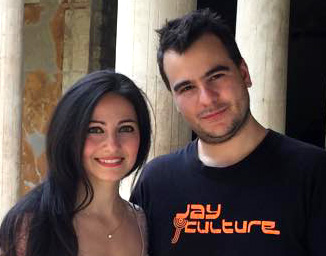
Volevo anche aggiornarvi di un altro sito Finestre sull’Arte, che ho scoperto l’altro giorno e che mi sto godendo un sacco. Mi piace il sito non solo perché è un bel posto per conoscere i protagonisti dell’arte italiana ma anche perché è il primo sito di avere i podcast in Italiano per la storia dell’arte. L’idea per il sito è stata concepita da Federico Giannini e Ilaria Baratta. Loro, con un gruppo dei giovani storici dell’arte tutti laureati e con i background culturali diversi, hanno fatto questo sito affascinato che cerca di rendere la storia dell’arte semplice e comprensibile. Trascorrendo un po’ di tempo su questo sito potete imparare un po’ di più dei maestri italiani, mentre state allenando le orecchie ai suoni della lingua.

In preparazione per un viaggio in Italia o per una visita in musei nella tua città o più lontano, questi due siti sono buonissimi per aumentare la vostra conoscenza dell’arte. Penso che valga la pena di navigare sulle pagine di entrambi siti. C’è qualcosa per gli occhi e le orecchie di ciascuno di noi.

Comments (2)
Categories : language learning
Tags : Finestra sull'arte, Google Art Project, italian, Italy

Guest Blog di Halie Rando: Why Study Italian Abroad?

By Melissa · Comments (0)
Tuesday, October 30th, 2012

Hali Rando is a new friend who like me, is a big fan of studying abroad to learn a foreign language. She is an American from Boston who now lives in England and who works for Education First (EF) Study Abroad. Through EF Study Abroad she helps adults, students and professionals find opportunities to study the language where it is spoken including Italian in Rome. Hali is well educated and has a background in the psychology and
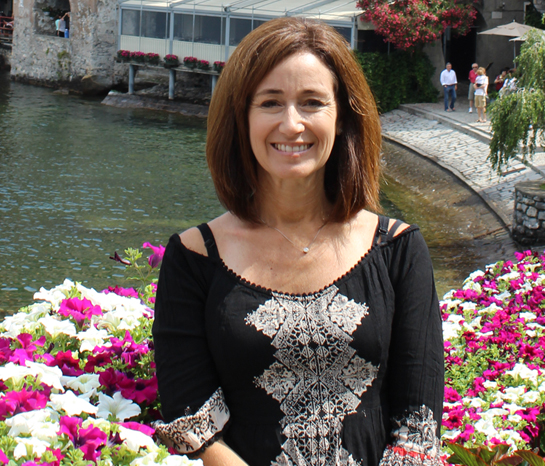
biology of language and social relations; she has an ScB from Brown in Human Biology with honors work in language perception; she has an MPhil from Cambridge with research in the genetic correlates of language diversity in Ethiopia. On the lighter side, she also writes fiction! She has travelled in Italy and above, is a photo of her in Sorrento. Hali tells me that one of her favorite Italian phrase is the surprisingly useful “mi dispiace, pero ho bisogno di studiare / I’m sorry, but I have to study!”

Hali Rando è una nuova amica e come me, è appassionata del concetto di vivere all’estero per imparare una lingua straniera. Lei è americana di Boston e adesso abita in Inghilterra e lavora per Education First (EF) Study Abroad. Attraversa EF Study Abroad lei aiuta adulti, studenti e professionisti a trovare occasioni per studiare lingue dove sono parlate, compreso l’italiano a Roma. Hali è ben istruita e ha una formazione accademica in psicologia e la biologia delle relazioni linguistiche e sociali; ha un ScB da Brown in Biologia Umana e con lode in “lingua e la percezione”; ha un MPhil da Cambridge con la ricerca nelle correlazioni genetiche della diversità linguistica in Etiopia. Sul lato più leggere scrive anche romanzi! Ha viaggiato in Italia e sopra, è una foto di lei a Sorrento. Hali mi dice che uno dei frase italiane preferite è questa perché è molto utile: “mi dispiace, pero ho bisogno di studiare.”

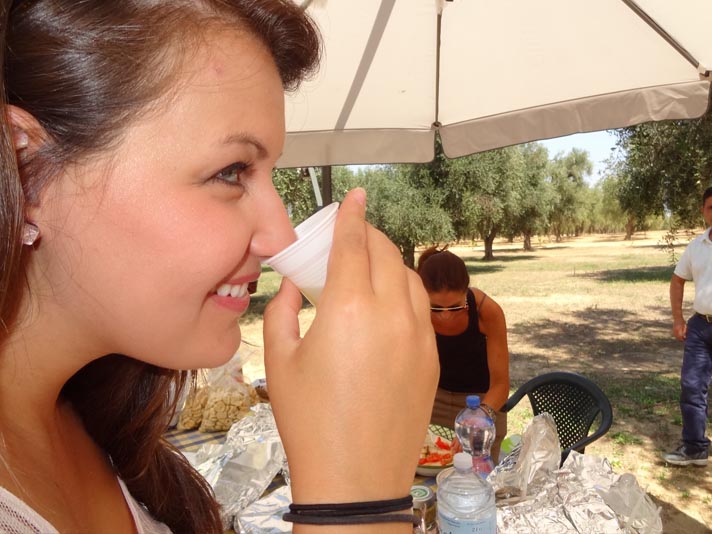
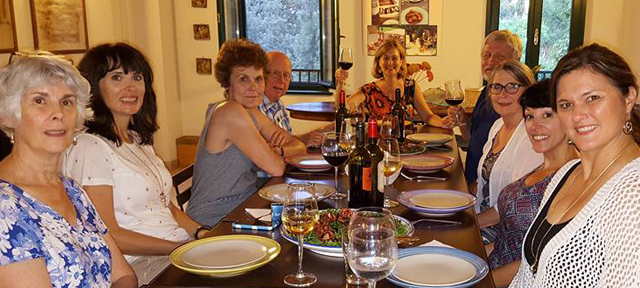
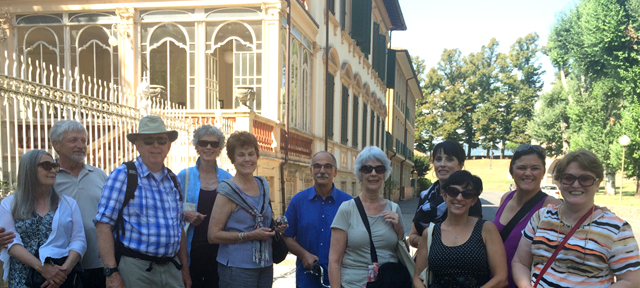
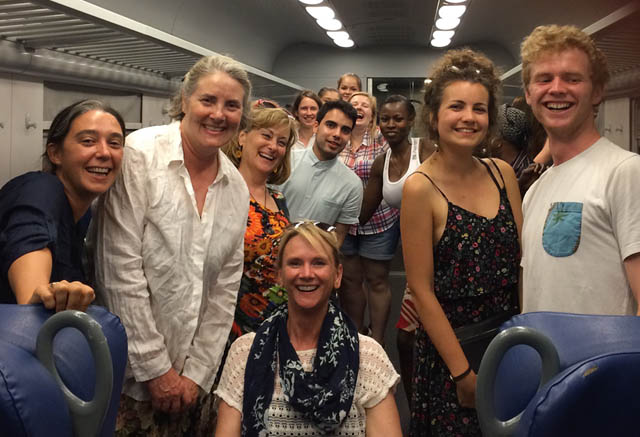
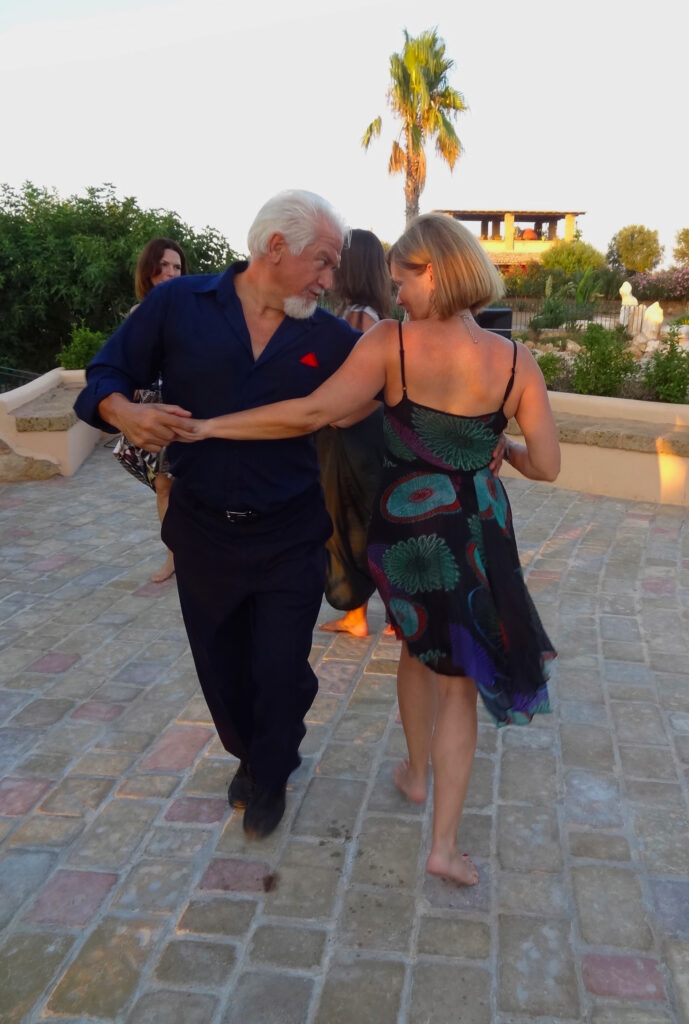
Our Language Immersion friends in Puglia this past August!

In her guest blog Hali explains why it is important to study abroad and immerse yourself in the culture of your target language…and she has the science to back it up! Here is her guest blog:

How important is it to learn a language where it’s spoken? It would be easier, after all, to just curl up on your couch after work, put on your headphones, and start learning Italian with Rosetta Stone. You’ll definitely pick up some Italian this way, but there is a very strong argument to be made for learning Italian in Italy, where you can really experience the language as it functions in daily life. After all, you wouldn’t order in a pizza and call that Italian cultural immersion.

Anyone who ever suffered through a high school language class has an intuitive understanding of the limitations of studying a language in your home country (or anywhere that it’s not spoken natively). It’s hard to commit to a foreign language when your entire life – other than a dreary 40-minute period once every school day – is in English. The same theory applies to your Italian-software-couch-sessions, unfortunately. Your Italian immersion is isolated to a short period every day, which makes it hard to integrate Italian into your life and thoughts.

That’s where the advantage of language immersion comes in. If you’re living in an Italian-speaking country, suddenly everything you do becomes a big Italian adventure. Checking into a hotel? You’ll need to know how to answer autobiographical questions.Want to buy some bread? Suddenly the Italian words for numbers are useful and relevant. Trying to invite a new friend to join you for dinner this weekend? Thank heavens you know the future tense and the days of the week!

While language immersion intuitively makes sense as a language-learning strategy (you’ll get to practice a lot – like all the time– and you won’t be able to hide from the verb tenses or vocabulary that scare you), there is also a strong brain-based argument to be made in favor of learning through immersion. If wandering around a country that speaks a language you’re not fluent in doesn’t quite suit your fancy, you can also study through an accredited school (like EF’s study abroad programs) or head out with a supportive group on one of Melissa’s tours to Venice, la Basilicata and Puglia.

Recently, researchers trained people to learn a simple, made-up language that was carefully designed to function like a real language. Some participants learned this language through classroom-style instruction, while others learned through immersion. Then, they measured electrical currents in the brain while participants responded to sentences, some of which contained errors. The researchers compared these patterns of activation to those found when people perform this task in their native language. While both groups showed more native-like currents as they learned the language, the people who had learned through immersion processed the language more like a native speaker than the other group. Immersion, then, might be better for developing an intuitive sense of a new language – which is going to help you speak it much better than remembering a string of rules would.

There’s more: if you’re in Italy, speaking Italian can help you feel more connected to the people around you. You’ve probably got lots of friends at home, and meeting other travelers is great, but it’s also wonderful to feel connected to other speakers of your new language. Studies in social psychology have shown that people like people who are similar to them, and it doesn’t really matter what that similarity is. In computer game playing, research shows that game participants tend to be more generous towards another player when they feel they have something in common— even if that’s just sharing a birthday. This suggests that “having something in common” is a major way to feel like you’re on the same “team” as someone else – and “having things in common” with fellow Italian speakers is a lot easier if you can actually spend time with them and immerse yourself in Italian culture. If you’d like to get the warm fuzzies and a new sense of community from your Italian studies, you’re probably not going to get them from Rosetta Stone (unless maybe you can convince yourself that you have the same birthday).

There’s one final reason to study Italian in Italy, and it’s the most obvious: Italy. If you’re interested in learning Italian, it’s probably because you already feel a connection to the food, culture or literature – or maybe your family’s own heritage. Someone who uses an English guidebook and rushes from the Tower of Pisa to Pompeii and eats exclusively in English-friendly restaurants, won’t really experience the true Italy. In the same vein someone, who struggles through La Republicca and Italian language tapes on the morning train ride, surrounded by the English speaking commuters, won’t really experience a true language learning experience. In the latter case, the effort is admirable, but nothing can compare to exploring a language through a culture and a culture through a language.

Grazie Hali! Hai ragione! If you are interested in language immersion & cultural tours please check out the tours I have planned for 2013. We are going to Venice in April, la Basilicata in September and Puglia in September & October. If you are looking for a longer language immersion study abroad program check out Education First (EF) Study Abroad. Buoni studi!


Comments (0)
Categories : language learning
Tags : EF Study Abroad, italian, Italy, language immersion, Study Abroad

Vote for Studentessa Matta Twitter Feed: Italia Melissa Vote the Top 100 Language Twitterer 2013

babla_award_2013

venetianmaskEmail: melissa@studentessamatta.com

Enter your email address:

Delivered by FeedBurner

Follow @italiamelissa

Archives

  • May 2013
  • April 2013
  • March 2013
  • February 2013
  • January 2013
  • December 2012
  • November 2012
  • October 2012
  • September 2012
  • August 2012
  • July 2012
  • June 2012
  • May 2012
  • April 2012
  • March 2012
  • February 2012
  • January 2012
  • December 2011
  • November 2011
  • October 2011
  • September 2011
  • August 2011
  • July 2011
  • June 2011
  • May 2011
  • April 2011
  • March 2011
  • February 2011
  • January 2011
  • December 2010
  • November 2010
  • October 2010
  • September 2010
  • August 2010
  • July 2010
  • June 2010
  • May 2010
  • April 2010
  • March 2010
  • February 2010
  • January 2010

Recent Posts

  • L’idromele – nettare degli Dei
  • Learning Italian in Matera in September! New Google Map! Choose your lodging!
  • Canzoni per sentirti bene…the cult of chilling
  • Abbinamenti imperfetti / Imperfect Pairings
  • Terra degli uomini

Recent Comments

  • Leo on L’idromele – nettare degli Dei
  • Marco on • indagatore dell’incubo
  • Maddie on Canzoni per sentirti bene…the cult of chilling
  • Leo on Canzoni per sentirti bene…the cult of chilling
  • Leo on Abbinamenti imperfetti / Imperfect Pairings

Meta

  • Log in
  • Entries RSS
  • Comments RSS
  • WordPress.org
italianside

Hit Counter provided by Skylight
Diario di una studentessa matta
Copyright © 2013 All Rights Reserved
iThemes Builder by iThemes
Powered by WordPress

Hit Counter provided by Skylight