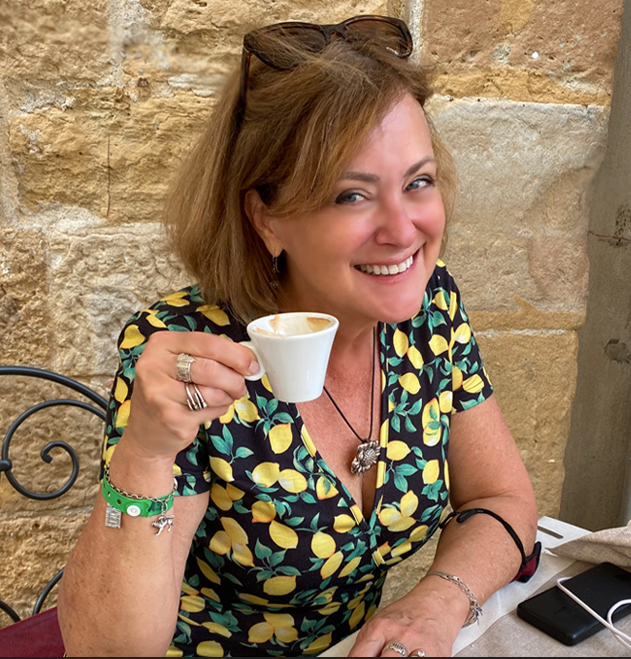
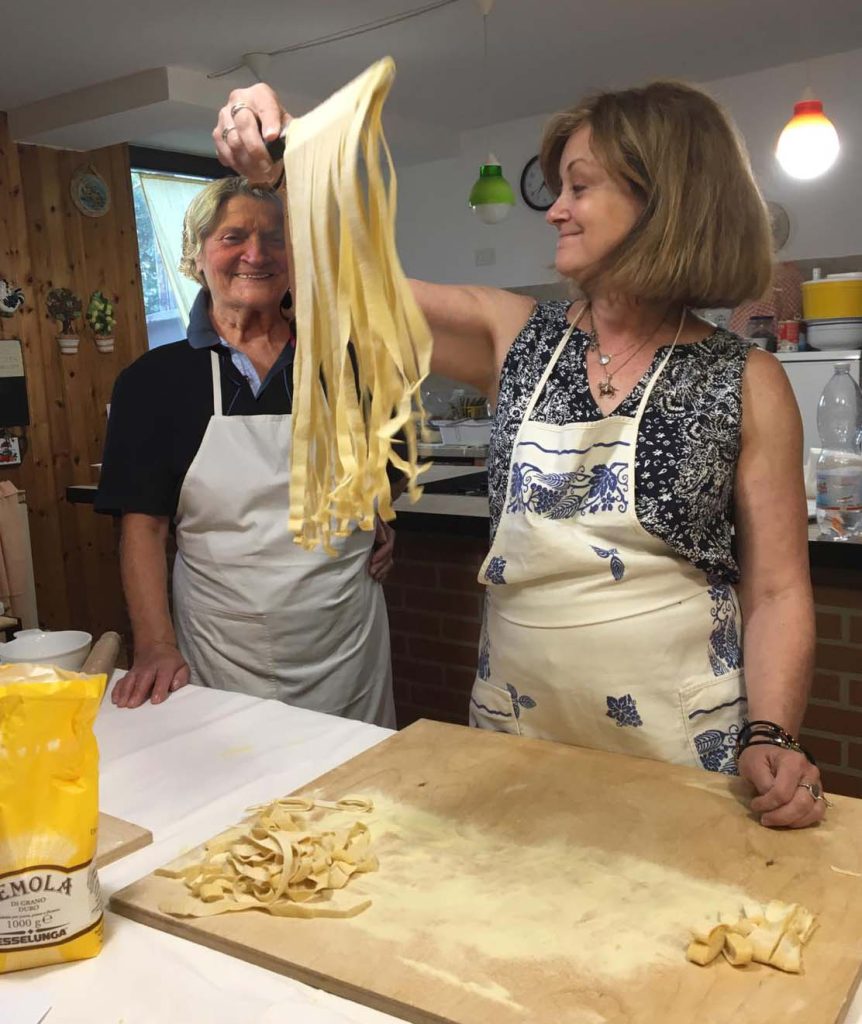
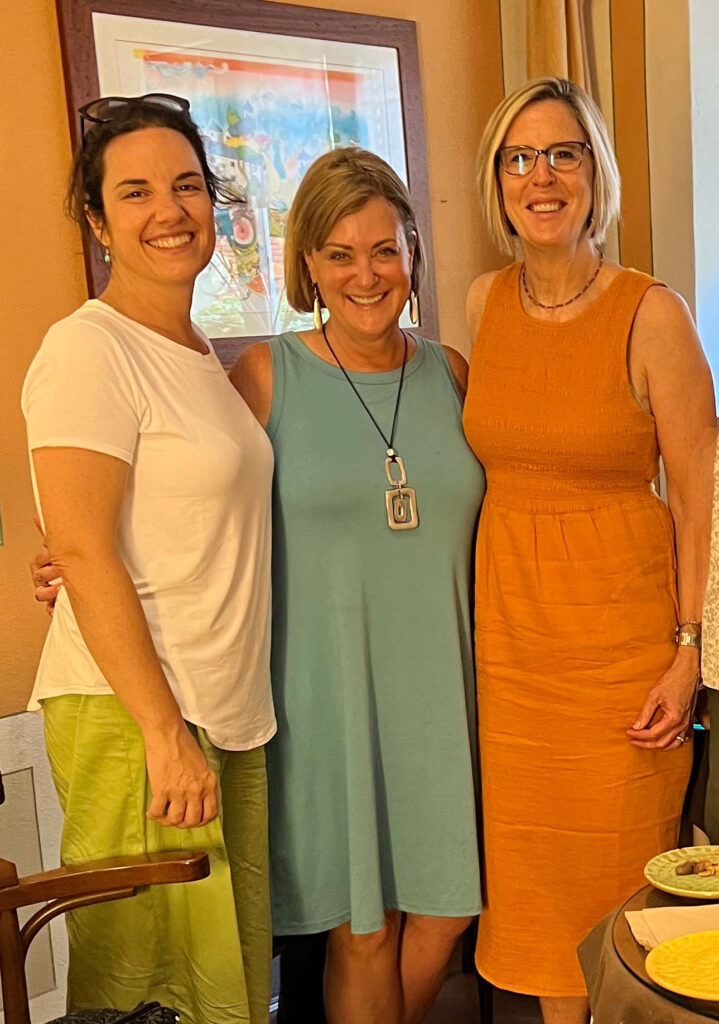
Hali Rando is a new friend who like me, is a big fan of studying abroad to learn a foreign language. She is an American from Boston who now lives in England and who works for Education First (EF) Study Abroad. Through EF Study Abroad she helps adults, students and professionals find opportunities to study the language where it is spoken including Italian in Rome. Hali is well educated and has a background in the psychology and
biology of language and social relations; she has an ScB from Brown in Human Biology with honors work in language perception; she has an MPhil from Cambridge with research in the genetic correlates of language diversity in Ethiopia. On the lighter side, she also writes fiction! She has travelled in Italy and above, is a photo of her in Sorrento. Hali tells me that one of her favorite Italian phrase is the surprisingly useful “mi dispiace, pero ho bisogno di studiare / I’m sorry, but I have to study!”
Hali Rando è una nuova amica e come me, è appassionata del concetto di vivere all’estero per imparare una lingua straniera. Lei è americana di Boston e adesso abita in Inghilterra e lavora per Education First (EF) Study Abroad. Attraversa EF Study Abroad lei aiuta adulti, studenti e professionisti a trovare occasioni per studiare lingue dove sono parlate, compreso l’italiano a Roma. Hali è ben istruita e ha una formazione accademica in psicologia e la biologia delle relazioni linguistiche e sociali; ha un ScB da Brown in Biologia Umana e con lode in “lingua e la percezione”; ha un MPhil da Cambridge con la ricerca nelle correlazioni genetiche della diversità linguistica in Etiopia. Sul lato più leggere scrive anche romanzi! Ha viaggiato in Italia e sopra, è una foto di lei a Sorrento. Hali mi dice che uno dei frase italiane preferite è questa perché è molto utile: “mi dispiace, pero ho bisogno di studiare.”
In her guest blog Hali explains why it is important to study abroad and immerse yourself in the culture of your target language…and she has the science to back it up! Here is her guest blog:
How important is it to learn a language where it’s spoken? It would be easier, after all, to just curl up on your couch after work, put on your headphones, and start learning Italian with Rosetta Stone. You’ll definitely pick up some Italian this way, but there is a very strong argument to be made for learning Italian in Italy, where you can really experience the language as it functions in daily life. After all, you wouldn’t order in a pizza and call that Italian cultural immersion.
Anyone who ever suffered through a high school language class has an intuitive understanding of the limitations of studying a language in your home country (or anywhere that it’s not spoken natively). It’s hard to commit to a foreign language when your entire life – other than a dreary 40-minute period
once every school day – is in English. The same theory applies to your Italian-software-couch-sessions, unfortunately. Your Italian immersion is isolated to a short period every day, which makes it hard to integrate Italian into your life and thoughts.
That’s where the advantage of language immersion comes in. If you’re living in an Italian-speaking country, suddenly everything you do becomes a big Italian adventure. Checking into a hotel? You’ll need to know how to answer autobiographical questions.Want to buy some bread? Suddenly the Italian words for numbers are useful and relevant. Trying to invite a new friend to join you for dinner this weekend? Thank heavens you know the future tense and the days of the week!
While language immersion intuitively makes sense as a language-learning strategy (you’ll get to practice a lot – like all the time– and you won’t be able to hide from the verb tenses or vocabulary that scare you), there is also a strong brain-based argument to be made in favor of learning through immersion. If wandering around a country that speaks a language you’re not fluent in doesn’t quite suit your fancy, you can also study through an accredited school (like EF’s study abroad programs) or head out with a supportive group on one of Melissa’s tours to Venice, la Basilicata and Puglia.
Recently, researchers trained people to learn a simple, made-up language that was carefully designed to function like a real language. Some participants learned this language through classroom-style instruction, while others learned through immersion. Then, they measured electrical currents in the brain while participants responded to sentences, some of which contained errors. The researchers compared these patterns of activation to those found when people perform this task in their native language. While both groups showed more native-like currents as they learned the language, the people who had learned through immersion processed the language more like a native speaker than the other group. Immersion, then, might be better for developing an intuitive sense of a new language – which is going to help you speak it much better than remembering a string of rules would.
There’s more: if you’re in Italy, speaking Italian can help you feel more connected to the people around you. You’ve probably got lots of friends at home, and meeting other travelers is great, but it’s also wonderful to feel connected to other speakers of your new language. Studies in social psychology have shown that people like people who are similar to them, and it doesn’t really matter what that similarity is. In computer game playing, research shows that game participants tend to be more generous towards another player when they feel they have something in common— even if that’s just sharing a birthday. This suggests that “having something in common” is a major way to feel like you’re on the same “team” as someone else – and “having things in common” with fellow Italian speakers is a lot easier if you can actually spend time with them and immerse yourself in Italian culture. If you’d like to get the warm fuzzies and a new sense of community from your Italian studies, you’re probably not going to get them from Rosetta Stone (unless maybe you can convince yourself that you have the same birthday).
There’s one final reason to study Italian in Italy, and it’s the most obvious: Italy. If you’re interested in learning Italian, it’s probably because you already feel a connection to the food, culture or literature – or maybe your family’s own heritage. Someone who uses an English guidebook and rushes from the Tower of Pisa to Pompeii and eats exclusively in English-friendly restaurants, won’t really experience the true Italy. In the same vein someone, who struggles through La Republicca and Italian language tapes on the morning train ride, surrounded by the English speaking commuters, won’t really experience a true language learning experience. In the latter case, the effort is admirable, but nothing can compare to exploring a language through a culture and a culture through a language.
Grazie Hali! Hai ragione! If you are interested in language immersion & cultural tours please check out the tours I have planned for 2013. We are going to Venice in April, la Basilicata in September and Puglia in September & October. If you are looking for a longer language immersion study abroad program check out Education First (EF) Study Abroad. Buoni studi!


Mi sono sempre piaciute i Supremes e la loro canzone “L’amore verrà/You can’t hurry love”, uno dei brani più significativi dei girl bands degli anni sessanta, e uno dei maggiori successi della Motown. Il singolo estratto dall’album The Supremes A Go-Go ha ricevuto l’onore di essere inclusa nella Rock and Roll Hall of Fame. Ieri in macchina ho sentito la versione italiana di questa canzone famosa sulla radio Kiss Kiss. Quando sono tornata a casa l’ho “googolata” e ho trovato che la canzone ho sentito sulla radio è stata fatta da Nina Zilli nel 2009. Ma poi nella mia ricerca ho trovato anche una vecchia versione che Diana Rossa ha registrato in Italiano nel 1966! Non sapevo che la Ross l’ha cantato in Italiano e ha pubblicato una versione di questa canzone popolare per l’italia! Che bello sentire la sua voce famosa cantare: Sì, l’amore verrà…ogni cosa a suo tempo…prima o poi mi toccherà! Anche la versione di Zilli non è mica male. Controllate le due canzoni e dimmi quale sarebbe la vostra preferita?
Quando l’estate è passata e il tempo fa più freddo mi piace cucinare con le verdure autunnale, specialmente con le zucche. Preparo la zucca in molti modi: zucca arrostita, crema di zucca, zuppa di zucca e c’è anche la torta di zucca! L’altro ieri, ho guardato due zucche sul piano di lavoro nella cucina e mi sono domandata “che cosa nuova posso fare con queste due belle zucche?” E poi, mi è venuto in mente di preparare un piatto nuovo: risotto alla zucca. Per la maggior parte, ho inventato la ricetta dalla mia fantasia. Ecco il risultato e i passi per fare un risotto alla zucca, molto gustoso e sostanzioso, che impazzirà anche la tua famiglia! Sopra è un’immagine della mia creazione (potete indovinare questo perché a differenza di un piatto italiano non c’è solo riso sul piatto). Mi raccomando! Provaci a casa…è facile!


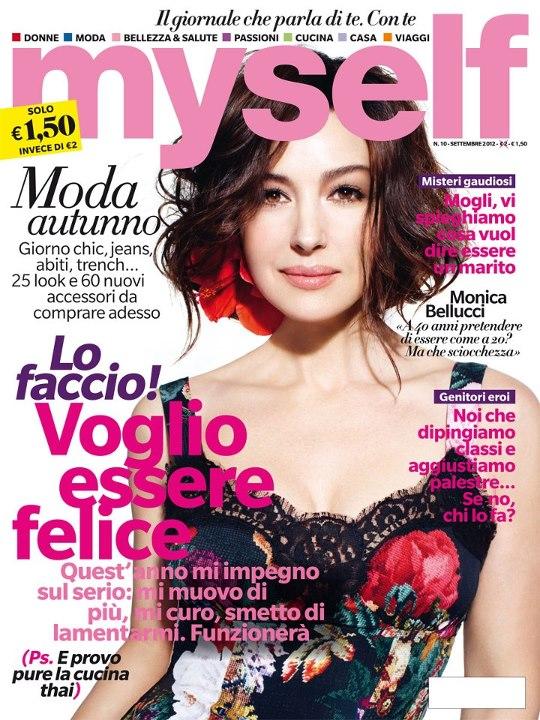
cercano di comportarsi in un modo sempre più giovane, bello scoprire un modello femminile che sta bene con la sua età e la statura nella vita. Non é che io ho un problema con la mia età, ok forse sì…ma solo perché ho un sacco di cosa ancora da fare con la mia vita e non voglio perdere un istante o preoccuparmi che non posso perché il mondo pensa che le donne adulte non siano più rilevanti. Ho letto l’articolo scritto da “Myself” e ho trovato l’attrice simpatica, sincera e saggia. La Bellucci non ha un problema con l’eta che avanza e infatti preferisce i 40 anni ai 20. “Sono molto più felice e consapevole ora. Il tempo ti porta via delle cose, ma te ne regala altre: vedo 60 enni splendide e interessantissime. Che noia questa cosa che a 40 anni si è come a 20. Ma ti pare? L’importante è sentirti sicura della tua femminilità.”
Ieri ho ricevuto un text messaggio da mio figlio maggiore in cui ha detto di aver trovato
fungendo da fogna) e racconta le avventure di Philip J. Fry, fattorino di una pizzeria che il 1 gennaio dell’anno 2000 finisce, in una capsula per il sonno criogenico e si risveglia mille anni dopo, il 31 dicember 2999, iniziando a lavorare come fattorino spaziale per la ditta di spedizioni di un suo discendente, il vecchissimo professor Farnsworth: questo gli permetterà di viaggiare molto e di finire nei guai in molti pianeti dell’universo.
I am happy to announce a new
The 2013 “Studentessa Matta” Matera/Basilicata Tour is a custom designed experience in the south of Italy, in the heart of the Basilicata. This language and cultural immersion tour will give each participant a unique opportunity to explore Matera and the “Sassi” with experienced teachers and guides. The tour is ideal for both beginners who want to embark on learning Italian while exploring the charms of la Basilicata, as well as for advanced language learners who want to deepen their understanding of the language & polish their conversation skills in a warm and friendly environment.
at our own pace, during several free afternoons and evenings. Accommodations for single and double occupancy rooms will be arranged at Le Monacelle, a renovated monastery (where we will be studying) or, in nearby B&Bs that are within walking distance of our school.

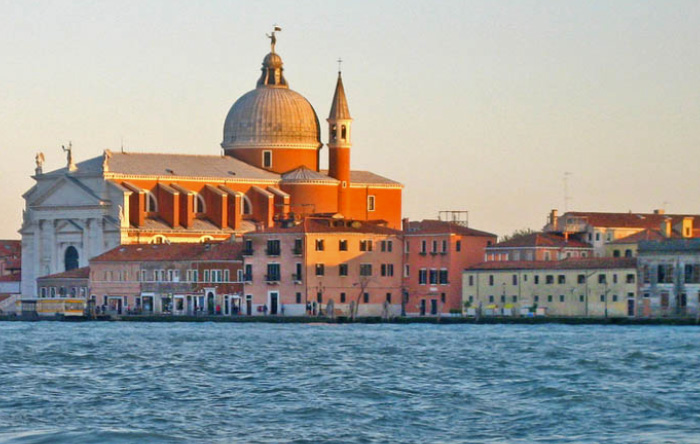
A Venezia stamattina (15/10/2012) 


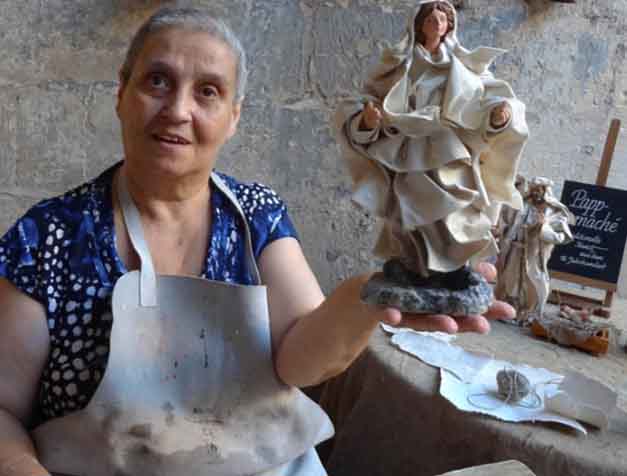
Quando si trova a Lecce non è possibile attraversare la città senza passare davanti ad almeno dieci negozi in cui si vendono oggetti preziosi fatti di cartapesta dagli artigiani locali. L’arte di cartapesta Italiana ha i sui radici in Cina dove hanno primo scoperto come fabbricare carta dalla polpa ricavata dalle piante di cotone nell’anno 105 d.C. Grazie all’espansione del popolo arabo, l’arte della fabbricazione della carta ha attraversato il Mediterraneo e fu diffusa in Italia attraversa il porto di Lecce in Italia. Le origini della Cartapesta Leccese
risalgono al XVII secolo come Arte Povera. Tendenzialmente è stata usata per modellare e costruire bambole e giocattoli per bambini, ma poi successivamente per ragioni di leggerezza dei manufatti, si incominciò a produrre l’Arte Sacra perché è adatta ad essere trasportata in processione.
Maddalena inizia il suo bel discorso come si fa la carta.
Prima passo, con una rete lei raccoglie le fibre di cotone della vasca di acqua.
Poi lei mette i contenuti della rete tra cuscini spessi per assorbire l’acqua.
Lei mette la pila di cuscini con la materia bagnata in una stampa per applicare pressione per espellere più dell’acqua.
Con un bastone lei rimuove gli strati di carta nuova e lei li appende per asciugare.

Ho appena pubblicato il 


Per capire bene il carattere degli italiani è necessario familiarizzare con alcuni concetti. Prima “l’arte d’arrangiarsi” che vuol dire in inglese: “the art of getting by” or “the art of making something from nothing”. Per esempio nei tempi difficili, quando qualcuno si trova senza molte risorse materiali, soldi o prospettive di lavoro, c’è questo concetto che è possibile vivere usando un po’ di creatività e astuzia, anche se a volte vuol dire trovare piccole scappatoie o aggirando alcune regole. Un altro concetto si deve capire è il “fare una bella figura”. In poche parole fare la bella figura significa non mostrare i tuoi “panni sporchi” in pubblico, ma invece mostrare il tuo lato positivo per mantenere le apparenze, anche se le cose non vanno bene.
per trovare un punto in comune per vivere insieme pacificamente. Un bell’esempio di questo sarebbe il conflitto tra i comunisti e la chiesa cattolica dopo la guerra mondiale e il modo in cui entrambe le ideologie hanno coesistito; sembra che gli italiani abbiano un talento per mettere a parte differenze per andare d’accordo anche se a volte sono nemici.


Recent Comments