Diario di una studentessa matta
Blogging & tweeting in Italian to improve language skills. I am a graphic designer with a Masters in Art History, sharing my thoughts & stories about Italia
Layout Image
  • Blog
  • About
  • Learning
    • Cyber Italian : Online
    • Yabla Languages : Online
    • Venice Italian School
    • Rocket Italian Language Lessons : Online
    • Lucca Italian School
    • Homestay in Italy & Personalized Italian Instruction with Lucia De Zuani
    • Ultralingua Dictionary & Reference
    • Transparent Language Books & Tapes
    • Maxmondo: Incontro Italian Audio Rivista
    • LiveScribe Pen
    • Learn Out Loud
  • 2013 Venice
  • 2013 Basilicata
  • 2013 Puglia
  • Books/Film
    • Italian books & movies at Amazon
    • IBS Internet Bookshop: Italy
    • Barnes & Noble Books & Film
    • Alibris Book Store
    • e-campus Books
  • Music
  • A-Store
  • Gifts
    • The Art of Cartapesta of Maestri Baldari: Nativity Sets
    • Sorella Luna
    • Gioia Company
    • Marcopoloni Leather Goods
    • Forzieri Italian Style
    • Sur la Table – Kitchen
  • MattaDesign
  • Eng

Archive for February 2013

Silver linings

By Melissa · Comments (0)
Wednesday, February 27th, 2013

latopositivo(Read in Italian) These days, with all the crummy reportings swirling around us like the flakes of snow that fall from the sky to accumulate in huge banks of dirty ice along the roadway, we all need some good news. Just one scrap will do. We need to believe in the thin hope that in fact spring is right around the corner and that one day the snow will melt. You tell me that it is hard to be positive seeing as the snow continues to fall, the Pope is leaving his post due to Vatican scandals, Berlusconi has reappeared on the political stage and the Senate after the most recent election is now split and ungovernable? Yes, I know. Sometimes to find the positive side find the silver lining requires tremendous effort. In times like this what are we to do? Well, we escape to the movies to let the art of the cinema renew us and give us the desire to continue on and confront life with a new and positive attitude.

One of the films, perfect for making us believe once again in love and happy endings (and that the church can be a positive institution, that Berlusconi will disappear from the political arena to follow a career as a cruise ship singer, and that the government will heal and actually help the Italian people) is one of the film nominated this year for Best Picture (and also for Best Actor and Best Actress) “Silver Linings Playbook”. Who knew that a film that deal with bipolare disorder could be the feel good film of the year. And who knew that wearing a black garbage bag could make such a fashion statement!

The film is an adaptation of Matthew Quick’s best seller The Silver Linings Playbook, a touching comedy about love and second chances. Pat Peoples, and ex high school history teacher, is dimissed from a mental hosital. Pat has a foggy memory of past events, but very optimistic and doggedly believes he has been hospitalized only for a couple of months instead of four long years and has renewed hope and intention to win back his ex wife. Refusing to believe that their separation is permanent, Pat passes his days in a heightened state of expectancy trying to become the man his wife always wanted him to be. In the meantime he is pleasantly distracted by a beautiful and troubled neighbor.

I enjoyed the film very much and am happy that Jennifer Lawrence want the Oscar for her role as a cray woman who falls for a man who wears a garbage bag. The film is moving and touching and made this crazy girl believe in the silver linings again…magari!


Comments (0)
Categories : English Articles
Tags : Silver Linings Playbook

Il lato positivo

By Melissa · Comments (1)
Wednesday, February 27th, 2013

latopositivo(Read in English) In questi giorni, con tutte le cattive cronache che girano intorno a noi come i fiocchi di neve che cadono dal cielo ad accumularsi in enormi banche sporche di ghiaccio lungo le strade, tutti noi abbiamo bisogno di solo una buona notizia. Solo uno. Abbiamo bisogno di credere nella speranza sottile, che infatti la primavera è dietro l’angolo e la neve un giorno, si scioglierà. Mi dite che è difficile essere positivo, visto che il neve continua a cadere, il Papa si dimessa per gli scandali del vaticano, Berlusconi è ricomparso sulla palco politico e dopo l’elezione recente il Senato è ormai spaccato e difficilmente governabile? Sì lo so. Infatti, qualche volta per vedere il lato positivo, ci vuole una sforza tremenda. In momenti come questi che dobbiamo fare? Naturalmente, scappiamo al cinema per consentire all’arte del cinema di rinnovarci e darci la voglia di affrontare la vita con un atteggiamento nuovo e positivo.

Uno dei film perfetto per farci credere in amore e lieto fine (e che la chiesa può essere un istituto positivo, che Berlusconi sparisce dall’arena per seguire una carriera di cantante a bordo un nave da crociere, e che il governo si guarisce e aiuta effettivamente il popolo italiano) è uno dei film nominato quest’anno per Best Picture (e anche Best Actor e Best Actress) “Il lato positivo” (Silver Linings Playbook). Chi sapeva che un film, che tratta del disturbo bipolare mentale, potrebbe essere il “sentirsi bene”/“feel good” film dell’anno. E chi sapeva anche che indossando un sacco nero dell’immondizia potrebbe essere tanto di moda!

Il film è un adattamento del best seller di Matthew Quick “L’orlo argenteo delle nuvole”, toccante commedia sull’amore e sulle seconde occasioni della vita. Pat Peoples, ex insegnante di storia delle superiori, è stato appena dimesso da un istituto per malattie mentali. Pat senza memoria ma molto ottimista si ostina a credere di essere stato in cura per pochi mesi e non per quattro anni e ha intenzione di riconciliarsi con l’ex moglie. Rifiutando l’idea che sia passato così tanto tempo e che la loro sia una separazione definitiva, Pat trascorre i giorni nell’attesa febbrile della riconciliazione cercando di diventare l’uomo che la moglie ha sempre desiderato. Nel frattempo però viene piacevolmente distratto da una bella e problematica vicina di casa.

Mi è piaciuto il film molto e sono contenta che l’attrice Jennifer Lawrence abbia vinto un Oscar per il suo ruolo come un pazza che si innamora di un uomo matto che indossa un sacco dell’immondizia. Il film è commovente e toccante e ha reso questa ragazza matta a credere in risvolti positivi di nuovo…magari…

Comments (1)
Categories : language learning
Tags : 2013 Best Actress, Bradley Cooper, Il lato positivo, Jennifer Lawrence, Oscar, Silver Linings Playbook

The Power of Art: Packs a punch that boosts your Italian Speaking Capabilities!

By Melissa · Comments (0)
Saturday, February 23rd, 2013

VentianArt1Ecco! Un nuovo guest blog di Diego Cattaneo, director of Venice Italian School. Together Diego and I are co-leading a language and cultural immersion tour this April 7-17th 2013. We invite you to come along & join the fun! In addition to morning language studies we will go out into the streets of Venice every afternoon to immerse ourselves in a cultural activity. We will be cheese and wine tasting, learning to blow glass with a Venetian master, learning to row a gondola, as well as having treasure hunts through out the Venetian market. In addition to all that we will also have the opportunity to fall in love with Venetian art and the the master painters that worked in Venice! In this guest blog, Diego talks about our planned art lesson.

DiegoWhen I visit a new place I like to delve into the culture and art of that city. I like to wander the churches, museums and art galleries to drink in as much art and culture as possible. I rely on all kinds of brochures, audio-guides, as well as the art docents who meander through the galleries ready to share their knowledge. You can also find me scrutinizing the tiny placards placed next to famous works of art, in order to appreciate and better understand the history, the artist and the technique of the piece that I am observing.

This is also true for me here in my own city of Venice. I love to roam my own city in search of its unique and lovely treasures. In this beautiful city floating in the lagoon, you can find so many artistic styles that overlap one another, as well as so many famous and fascinating artists that hail from this magical city. For starters, you can find work by Titian, Giorgione, the Bellini brothers, Tintoretto, Sansovino, Carpaccio and so many artistic styles that span the arc of time from Gothic, Renaissance, Baroque and contemporary times.

There is so much to admire that one can easily feel a little lost and confused. But do not fear. We are here to help clear up all this artistic confusion while at the same time helping you to feel more confident about your Italian language speaking capabilities! In fact, one of the aims of our Art Lesson at the Venice Italian School is to provide our students with an artistic panorama of Venice, helping our students become more familiar with the styles and the artists that have made the city the unique and marvelous place that it is. The first part of our lesson focuses on general “art-related” vocabulary, particularly useful to make sense of everything that surrounds your Venetian experience from the moment you set a foot on the island. Students will actively match terms & vocabulary with images and descriptions in Italian, always applying it to practical examples.

Another goal of our Artistic Cultural Lesson it is to get practical about Art: and that is why the second part of the lesson takes place “in the field”. In this case, the field being either a wonderful church just a couple of steps away from our school – the Frari Basilica – or any other place our students may want to visit. Once we are in front of a beautiful piece of art – a painting, statue, sculpture or building -  students are given the linguistic and technical support necessary to complete their tasks and to prepare their own presentation of an Italian masterpiece. Students who might otherwise have felt this beyond their capabilities will find that in fact this is a fun and practical way to actively build their conversational skills while learning more about Venetian art.

Over the years, this type of learning has proven to be useful and fun for every level of student: intermediate and advanced students experience a new way to use their language in a practical and interesting way, while more elementary levels realize that they can build full and purposeful sentences with the Italian at their beginning level. By the end of the Art Excursions, students will be looking forward for their next opportunity to practice their art-related Italian again.

Come along with us in April (spots are still available) to strengthen your Italian and to learn more about Venetian art. Titian, Giorgione, Tintoretto and their friends, are waiting for all of you to join Diego & Melissa for the next Explore Venice Tour with Melissa in April 2013. Non mancate!

Here is just a little taste of what we will be seeing…

VentianArt5

VentianArt3

VentianArt2

VentianArt4

Comments (0)
Categories : italian art / l'arte
Tags : Art Lessons, Italian Language Immersion Tour, Venice, Venice Italian School

Il numero perfetto di Michelangelo Volpe

By Melissa · Comments (1)
Thursday, February 21st, 2013

volpeLo scorso agosto quando sono stata in Puglia visitando amici a Savelletri, ho avuto la grande occasione d’incontrare Michelangelo Volpe, autore di tre romanzi “noir”. Il primo thriller “Il Numero Perfetto”, il secondo “L’odore del sangue sacro” e il terzo “Simbolo d’incenso” sono una parte di una triologia. Tutte le storie sono ambientate in gran parte in Basilicata tra il 2009 e il 2010. Quando Michelangelo ed io ci siamo incontrati è stato proprio la serata della festa di San Francesco da Paola. La festa viene festeggiato ogni anno a Savelletri la seconda domenica del mese di agosto con la tradizionale processione in mare e la Sagre del Pesce Spada. Mentre beviamo una birra insieme e mangiavamo le noccioline, con il rumore e musica della follia che stava festeggiando nelle strade sotto la casa, Michelangelo mi ha raccontato un po’ delle sue storie coinvolgente. Quando la serata ha concluso, Michelangelo mi ha regalato i suoi libri, scrivendo iscrizioni belle per me nelle pagine di apertura. Adesso questi libri hanno un posto speciale nella mia libreria.

Un piccolo racconto del primo libro: “Il numero perfetto” e un romanzo da brivido che con il genere legal thriller cattura il lettore e lo trascina in una storia  fitta di colpi di scena. Il romanzo è ambientato nei luoghi della Basilicata dove efferati omicidi si intrecciano in una trama avvincente da leggere tutta d’un fiato. Il libro narra la storia di una pergamena seicentesca, che dopo essere sfuggita dalle mani di un papa che aveva stretto un patto con le streghe, giunge casualmente un autunno, nel borgo di Cancellara. Nulla sarà più lo stesso. La quiete si trasformerà in un incubo. Ma non sarà solo Cancellara ad essere stravolta dai fatti, ma anche altri borghi dell’entroterra lucano verranno improvvisamente travolti dal primo delitto di un serial killer.

Intrigante, no?

Secondo l’autore: Il Numero Perfetto” è stato anche strumento per dipingere il panorama delle “nostre parti”, fatto di paesaggi suggestivi, dove, però, come in tutte le cose troppo perfette, si può annidare il marcio, il male nella mente. Thriller, come primo atto di una trilogia a cavallo di quattro secoli che studierà, a tinte forti, la sete di potere dell’uomo legata alla sua  fragilità..   

Ecco il video di Michelangelo in diretta su Antenna Sud parlando dei suoi libri. Complimenti Michelangelo!

Comments (1)
Categories : language learning
Tags : Il numero perfetto, Michelangelo Volpe

Troisi: che ha fatto di modestia, umiltà e discrezione uno stile di vita

By Melissa · Comments (2)
Tuesday, February 19th, 2013

massimoIl 19 febbraio Massimo Troisi avrebbe compiuto 60 anni. Un compleanno importante che alimenta il ricordo e la nostalgia per l’attore napoletano che invece è scomparso quasi vent’anni fa. “Di Troisi è emerso, sempre, il lato malinconico e poetico. Ma la figura che manca al pubblico, soprattutto quello napoletano, è quella irriverente e provocatrice, che riesce a parlare di politica e si diverte a smontare i luoghi comuni su Napoli, povertà e famiglia. Un personaggio vero, appassionato di calcio, legatissimo alla sua terra, innamorato del cinema e del teatro. Un uomo, Massimo Troisi, che ha fatto di modestia, umiltà e discrezione uno stile di vita.” Casertanews.it

Troisi è nato a Napoli e apparteneva a una grande famigilia. Ha detto una volta “Quando intorno a me ci sono meno di quindici persone, provo senso di solitudine. Anche perché, in casa, eravamo diciassette…”. Troisi è iniziato la sua carriera negli anni settanta e dagli anni ottanta ha raggiunto un ampio successo e applausi dai critici, affermandosi come uno dei registi più dotati. La fama internazionale è venuto a Troisi dopo il successo del film “Il Postino” (regia Michael Radford). Troisi è morto nel 1994 per un attacco cardiaco nella casa della sorella a Ostia vicino a Roma, dodici ore dopo le riprese principale su Il Postino aveva finito. È stato riferito che ha rinviato un intervento chirugico per completare il film.

Per ricordare bene questo attore simpatico voglio condividere con voi alcuni video clip dal film “Il Postino”, che racconta la storia in cui il vero poeta cileano fa un’amicizia con un postino italiano semplice che impara ad apprezzare la poesia. In questi clip Deruda spiega a Mario che cose è un metaforo. Mario impara bene e utilizza questa nuova conoscenza per corteggiare la sua ragazza.

Comments (2)
Categories : language learning
Tags : il postino, Massimo Troisi

La vita vera, più strana di finzione: Il Papa si dimessa

By Melissa · Comments (2)
Saturday, February 16th, 2013

pope1Qualche volta la vita vera può essere più strana della finzione. Dan Brown, mettersi da parte, non avremo bisogno di una delle tue trama fantastiche! Ultimamente il Vaticano è inondato delle storie e delle teorie del complotto, ma questa settimana la scura nube minacciosa sopra S. Pietro, nel senso letterale e figurato, ha aperto e ha lanciato un fulmine che ha colpito la cupola sacre della casa del Papa. È successo ironicamente, proprio nel momento in cui il Papa ha rivelato al mondo la sua decisione di dimettersi dalla sua carica. Strano coincidente, no? (inserite la colona sonora di Twilight Zone).

pope2

Tutti vogliono sapere quale sarebbe il motivo per Papa Benedict XVI di dimettersi, ovviamente una decisione non di effettuare in fretta, leggermente o senza pensare bene alle conseguenze. Infatti, è una decisione che un Papa non ha fatto in più di 600 anni! Secondo Benedict nel suo discorso di dimissione, è fisicamente e spiritualmente stanco per continuare ad essere amministratore delegato di una multinazionale chiesa di 1.3 miliardi di anime. Però secondo pettegolezzo ecclesiastico, ci sono tante altre teorie che vanno in giro; Benedict soffre da una malattia fatale; il suo stato mentale non è più lo stesso dopo una ferita alla testa durante il suo viaggio in Messico lo scorso Marzo; gli affari ingannevoli effettuate dalla Banca Vaticana; ultimi insabbiamenti dei preti pedofili; e una relazione “esplosiva” presto di essere pubblicato di un gruppo di cardinali in uno scandalo. Si può solo immaginare che ci sono lotte di potere per dirigere il “nave dello stato” del vaticano e che ci sono complotti clandestino sotto piedi.

O forse nessun complotto affatto, e siamo troppo facilmente influenzati da dramma e scrittori come Dan Brown. Invece, la cosa evidente e molto più facile da vedere? Che questa è una storia di ammonimento in tutti i sensi e siamo in grado di mettere in discussione la pratica di nominare uomini vicino l’età pensionabile a un lavoro così faticoso. Questa spiegazione ci porta di nuovo alla dichiarazione originale di Benedict: che lui è sempre troppo fragile di trattarsi con tutti i problemi della chiesa cattolica. C’è un mondo dei problemi legati alla chiesa e forse ci vuole un uomo più giovane e più energetico per risolvere i pasticci e affrontarli per effettuare un cambiamento per il meglio. O forse, abbiamo bisogno di un tocco di una donna. Ora che Sanremo ha concluso, penso che Luciana Littizzetto sia disponibile…almeno che non è troppo occupata di candidarsi per una carica politica nelle prossime elezioni…

pope3

Comments (2)
Categories : language learning
Tags : fulmine colpisce vaticano, Papa si dimessa

Si impara bene quando si mangia e quando si ride!

By Melissa · Comments (0)
Wednesday, February 13th, 2013

formaggio2Formaggi d’italia sono favolosi e che modo migliore per goderne di alcuni che assaggiarli mentre si fa una lezione d’Italiano! Questo lo faremo quando studiamo a Venice Italian School in Aprile. La lezione inizia fuori dal negozio, nel bel Campo della Cordaria, dove prima parliamo della nostra conoscenza dei formaggi Italiani e poi entriamo nel negozio della famiglia Aliani che ci aspetterà con un assortimento di formaggi da provare. Noi studenti avremo l’opportunità di ascoltare Signor Filippo, il figlio del proprietario, mentre lui ci spiega come si fa il formaggio e le origini dell’impresa della famiglia. Poi avremo l’opportunità di parlare con tutta la famiglia per esercitare la lingua ed esprimerci in un ambiente amichevole, senza stress.

Italian cheeses are fabulous and what better way to enjoy them than tasting them during an Italian lesson! This is exactly what you will do when you study at Venice Italian School in April with Melissa. The lesson begins in the beautiful Campo della Cordaria, where we will first talk about our “cheesy” knowledge and then we will enter into the store where the Aliani family will be expecting us with an assortment of cheese to sample. Students will have the chance to listen to Signor Filipo, the owner’s son, while he tells us about how the cheese is made and the family business. Then we will have the change to talk with the entire family and practice the language in a friendly stress free environment.

formaggio3Avremo sempre alla nostra disposizione, Diego e gli insegnanti di Venice Italian School per aiutarci con nuove parole e modi di dire. Secondo me si può imparare meglio quando si ride e quando si mangia. Ma durante il nostro soggiorno a Venezia in aprile avremo tante altre possibilità di ridere insieme, mentre assaggiamo vino e frequentiamo lezioni di cucina. Altre attività divertente che aiuterà il nostro apprendimento della lingua: imparare a soffiare vetro, avere lezioni di “voga alla veneta” e fare un “treasure hunt” sul mercato di Venezia. Andiamo anche in bicicletta lungo il lido. Immaginate il vostro livello d’Italiano dopo aver fatto tutto questo?!

We will always have at hand, Diego and the teachers from Venice Italian School to help us with new words and expressions. In my opinion one learns better when one is laughing and when one is eating. But during our stay in Venice in April we will also have many other occasions to laugh together such as when we are wine tasting and taking cooking classes. Other fun activities that will help us remember pesky new vocabulary and grammar will be learning how to blow venetian glass, gondola lessons and taking part in treasure hunts in the Venice market. We will also bike along Venice’s lido. Just immagine what your level of Italian will be after all of that!

Allora vi lascio al mio co-host Diego per raccontare in inglese l’escursione di formaggio nel Campo della Cordaria:

formaggio4Even their name – PerBacco, Gorgonzola, Morlacco, Taleggio – is intriguing and mouth-watering.

The Morlacco, a type of cheese originated in the Dalmatian plains where the people of Morlachs used to live many centuries ago. The PerBacco, prepared with a procedure that involves months of maturing under red wine that gives it that lovely purple color and inebriating taste. The Gorgonzola piccante, with that mixed green and blue shades that seem to come out straight of a Titian painting.

These are only a few of the different types of cheese which are available for our students to taste, flavor and enjoy during our unique formaggio5Formaggi d’Italia lesson.

Set in the fascinating and lovely cheese-smelling iconic shop La Casa del Parmigiano – 2 minutes from the Rialto Bridge – this lesson takes our students right to the heart of a great Venetian and Italian tradition. The shop has been run for generations by the Aliani family and it is a favorite even for the everyday shopping of Commissario Brunetti’s wife in the best-selling novels by Donna Leon.

Our lesson begins just outside the shop, in the lovely Campo della Cordaria, where we will brainstorm students’ previous knowledge of cheese and share everyone’s passion for it. The lesson then enters its core and moves inside the shop, where the Aliani family will be waiting for us: several different types of cheese will be available for students to taste while listening to Signor Filippo – son of the owner – introducing their origins, their process of maturing and preparation. Students will be encouraged to actively participate in an open discussion with Signor Aliani father, Signora Aliani mother and Filippo himself, sharing their impressions and their preferences on the different types of cheese.

Listening to the Aliani’s family answers and explanations, contributing to the debate with one’s own personal take on a particular cheese; and then taking notes of what the discussion has been about and the peculiarities of each different type of formaggio: this lesson is fun and practical learning at its very best. We are extremely happy to be able to offer this hands-in, interactive learning activity to our students.

Finally, the language, the idioms, the pronunciation and all the issues that arise during the cheese tasting part of the lesson will be analyzed and discussed with Diego and Lucia, either during the lesson at the Casa del Parmigiano or the following day in class. A fundamental language feedback to group up new structures, vocabulary and expressions learned.

Oh, I was about to forget: it will all be further enhanced by some good wines to match the cheese and complement the experience

Vi aspettiamo tutti alla lezione Formaggi d’Italia con Melissa e il gruppo Explore Venice Tour 2013 in Aprile!

formaggio1

Comments (0)
Categories : language learning
Tags : Famiglia Aliani, Formaggio, Study Italian in Venice, Venice Italian School

Comincia bene a Sanremo…manca solo la pioggia di rane!

By Melissa · Comments (2)
Tuesday, February 12th, 2013

sanremo1Manca solo la pioggia di rane e lo sbarco degli alieni a Arma di Taggia….ma la Littizzetto è arrivata al palco di San Remo lo stesso! Stasera la co – conduttrice del Festival Luciana Littizzetto, sempre frizzante e ironica come solo lei sa essere, apre la prima serata del festival leggendo una letterina a Sanremo. Come fosse una principessa arrivò al teatro di Ariston in carrozza perfettamente adatto per Cenerentola. Però è troppo evidente che la Littizzetto può difendersi molto bene e non ha bisogno di una fata buona. Con la sua lingua tagliente può demoralizzare qualsiasi sorellastra cattiva e affascinare ognuno principe con il suo spirito e umorisimo!

Ci siamo…inizia il Festival di Sanremo 2013 che svolgerà il 12 – 16 Febbraio. Potete seguire gli avvenimenti sulla pagina di  Facebook di Sanremo o sul sito ufficiale di Sanremo dove si può trovare salienti delle prestazioni.

sanremo3

Per iniziare bene la festival volevo condividere con voi l’entrata della princi Sanremo stasera… e sotto il testo della letterina-preghierina che Luciana Lettizzetto ha rivolto a San Remo in apertura della 63esima edizione del Festival di Sanremo.

“Carissimo San Remo che nella riviera stai, che proteggi i fiori il festival e il casinò, quindi ti occupi di boiate.

Ho scoperto che come santo non esisti. Nel calendario c’è santa Genoveffa, santa Brigida, san Quadrato e perfino santa Yvette, che dev’essere la protettrice del Moulin Rouge, ma non c’è nessuna traccia di san Remo in nessun calendario, nemmeno in quello dei Maya, nemmeno il calendario Pirelli, sul quale ho promesso di non dilungarmi perché ho promesso a Fazio di comportarmi bene.

Comunque. Per quel che puoi. Fai in modo che il pubblico non si accorga che quest’anno sul palco invece di due gnocche ce n’è solo mezza, e aiutami a non sbagliare il 215035277-71b9dbbe-97d7-45c2-a0ba-9adc151341denome delle canzoni e dei cantanti. Ci sono state presentatrici che per avere detto nell’ordine sbagliato Pace-Panzeri-Pilat sono state esiliate a Ventotene e private dei diritti civili.

Fai che Fabio non si addormenti in onda e se si addormenta fa’ almeno che nessuno se ne accorga. O fa’ che tutti a casa si siano addormentati prima di lui. E se poi, caro san Remo, qualcuno si addormenta in sala, riprendilo con la telecamera, che almeno ridiamo.

E fa’ che non mi venga mai mai mai in mente di tentare una rima mentre presento Gualazzi o la Galiazzo, perché, conoscendomi, Remo mio, ne usiremmo tutti con le ossa peste. Tral’altro grazie che quest’anno non hai fatto gareggiare Samuele Bersani, che con quel cognome lì non ne uscivamo vivi. Toccava anche trovare un Samuele Berlusconi e un Samuele Monti.

Fa’ che non arrivino altre notizie pazzesche perché dopo la neve, le polemiche politiche e le dimissioni in Vaticano manca solo la pioggia di rane e lo sbarco degli alieni a Arma di Taggia.

Fa’ inoltre, Remo mio, che il meteorite che deve distruggere il pianeta il 15 febbraio aspetti almeno l’esibizione di Albano, sai com’è fatto lui… poi si offende.

E già che ci sei, caro Remo, fa’ che la crisi passi. Perché è vero, come diceva uno che non ricordo più chi fosse, che i ristoranti sono pieni, ma sono pieni di gente che cerca un posto da cameriere. Di’ anche a tutti quelli che dicono che restituiranno l’Imu, se possono anticipare. Io mi fido un casino ma mi piacerebbe avere i soldi prima di andare a votare.

Se tu mi aiuti, in cambio io giuro che non pronuncerò mai un nome di un politico, e neanche parole che ci somigliano, guarda. Non dirò mai parole che cominciano con Ber, tipo “bersaglio”, “Berna” e “bertuccia”, o che finiscono in “oni”, tipo.. adesso non mi viene. invece di “marroni” dirò “beige”, e se capiterà che qualche volta staremo nei casini, dirò “puttanaio”.

Fa’ che non mi si impigli mai l’abito sotto la suola, il reggiseno nella pianola, la lingua nella gola. Dami grazia, contentezza, levità, leggerezza. E infine, soprattutto, sopra ogni cosa, ti prego, santo dei garofani e delle petunie, dei potus e dei lillà, fa’ che io resista fortissimamente, ineluttabilmente, inderogabilmente all’incontenibile, inarrestabile, incopprimibile bisogno di dire: CULO”.

sanremo2

Comments (2)
Categories : language learning

Anchovies swim three times: in water, in oil…and in bagno cauda!

By Melissa · Comments (0)
Monday, February 11th, 2013

bagnacauda1

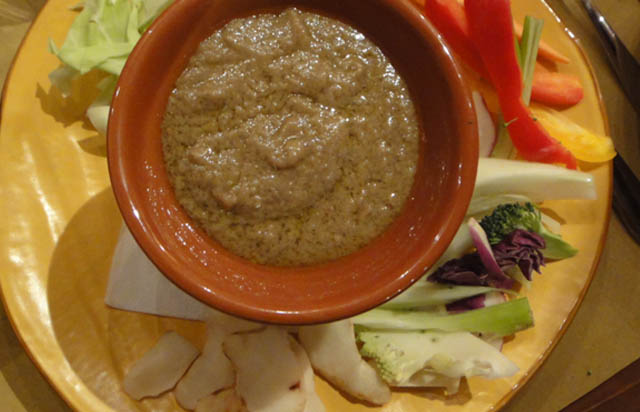
(Read in Italian) How does one spend a perfect evening with friends? Taking a hot bath with them, of course! But, I’m not talking about spending the evening in a hot tub. While that might have its merits on some occasions…I am talking about making “bagno cauda”. The name  “bagno caude” literally “hot bath” in the Piemontese dialect means “hot sauce” / ”salsa calda“, is a dish which consists of garlic, olive oil and sardines that is served with vegetables cooked or crude. But it isn’t just a simple sauce to be served with veggies and as such its rich qualities shouldn’t be diminished, because fare un bagno cauda is a real and proper ritual, a symbol of happiness, friendship and conviviality.

Bagna cauda was first “born” in medieval times as a poor man’s dish, that the peasants used to prepare to protect themselves from the cold and which the nobles abhorred because of the intense amounts of garlic that made one’s breath stink, which one has to admit in a time when dental floss didn’t exist  was kind of a downer. In accordance to historical testimony it is said that the “birth” of bagno cauda was first developed in southern Piemonte, in the areas of dell’Astigiano, del Monferrato, delle Langhe e del Roero, where the vintners celebrated the first tipping of the new wines in November. At this time they joined together with their friends and families and ate vegetables with a nice hot bagna cauda. Since then the ritual of sitting down together around a table, that has placed in its center ““il fojot”, the terracotta container that holds the hot sauce, survives to this day and is not a stranger to taverns and trattorie in Piemonte as they have made sure that this “pietanza” is included in the menu. First delegated as traditional poor man’s food, now today elevated  and celebrated in all it’s many variations.

But, why in the world would one of the main ingredients of bagna caude be sardines, a fish!, as Piemonte is not bordered by the sea and has never been a land of fisherman? But actually Piemonte has been long considered a land of fish, especially in the middle ages when the price of sale was astronomical and many mountain people as well as farmers travelled what we know of today as the “le vie del sale” the “salt road” from Ligura to the mouth of the Rhone river where that acquired salt at more reasonable prices and transported it in barrels hidden under layers of sardines so as to deceive potential robbers. Once they arrived home they raised the price of the salt at higher prices and the anchovies at more reasonable prices, which having been saturated in the salt during transit had become extremely delicatable and well preserved.

There is an Italian idiom that goes like this: The anchovies want to swim three times: in water, in oil, in wine – which means the sardines swim in sea water, in the oil that goes into the pan for cooking and in the wine that also fills the stomach. I can’t disagree with this, especially after our wonderful bagno caudo, that I share with friends the other night!

bagnacauda2

There are numerous variations on the traditional bagna cauda recipe, but the most simple consists of only three ingredients: olive oil, garlic and anchovies.

1/2 cup serves 4 as appetizer or a nice party dip.
1/2 cup butter 3 tablespoons olive oil
1 can anchovy fillets
3 garlic cloves chili flakes (optional)

Puree the anchovies and garlic cloves: or, just chop both really finely to make a paste.

Heat on low: In saucepan on low heat, add all ingredients. Keep the flame on low so that the butter/oil gets totally infused with the anchovy and garlic. Once the butter melts, just let it continue to sit on the low flame for another 5 minutes. Serve warm. If you use a fondue pot – double or triple the recipe. The little candle fondue bowl pictured above was purchased for $5 at Marshalls.

Vegetables & Stuff to Dip Assortment of raw, steamed or roasted vegetables. I used broccoli, french green beans, radishes (all raw). I also had fresh bread and a few sauteed shrimp. Other ideas include: baby carrots, steamed artichoke hearts, red bell pepper slices, asparagus, celery, zucchini, cauliflower, endive.

Comments (0)
Categories : English Articles

L’acciuga vuol nuotare tre volte: nell’acqua, nell’olio…e nel bagno cauda!

By Melissa · Comments (1)
Monday, February 11th, 2013

bagnacauda1(Read in English) Come trascorrere una serata perfetta con gli amici? Prendere un bagno caldo con loro, naturalmente! Ma non sto parlando di trascorrere una serata in una vasca indromassaggio. Mentre quello potrebbe avere i suoi vantaggi qualche volta…sto invece parlando di preparare un “bagno cauda”. “Bagno caude” letteralmente “hot bath” o  in dialetto piemontese “salsa calda“, è un condimento a base di aglio, olio e acciughe che viene servito assieme alle verdure sia cotte che crude. Ma non è semplicemente una salsa che accompagna le verdure e come tale non va “sminuita”, perchè preparare un bagna cauda bensì è un vero e proprio rito, un simbolo di allegria, amicizia e convivialità.

La bagna cauda nasce nel Medioevo come piatto povero, che i contadini preparavano per proteggersi dal freddo e che i nobili aborrivano per via della presenza massiccia dell’aglio che rendeva il fiato pestilente, per di più in un’epoca in cui ancora non esisteva il dentifricio. In particolare alcune testimonianze storiche fanno risalire la nascita della bagna cauda nel basso Piemonte, nelle zone dell’Astigiano, del Monferrato, delle Langhe e del Roero, dove i vignaioli per festeggiare la spillatura del vino nuovo, a novembre, si riunivano con gli amici e la famiglia e mangiavano verdure e bagna cauda. Da allora il rito di sedersi attorno alla tavola con al centro “il fojot”, il contenitore di terracotta che tiene in caldo la salsa, è sopravvissuto fino ai nostri giorni, e di certo non mancano osterie e trattorie piemontesi che hanno inserito nel menù questo piatto, prima relegato solo alla tradizione contadina, e oggi rivalutato e rivalorizzato in tutte le sue varianti.

Ma come mai uno degli ingredienti fondamentali della bagna cauda siano le acciughe, un pesce, anche se il Piemonte non confina con il mare e non è mai stato una terra di pescatori? Ma infatti il Piemonte è stato piuttosto una terra di acciugai, in particolar modo nel Medioevo quando il prezzo del sale era alle stelle e molti montanari e contadini piemontesi percorrevano quelle che oggi conosciamo come le vie del sale fino alla Liguria e alla foce del Rodano dove acquistavano il sale a prezzi più accessibili e lo trasportavano in barili nascosto sotto strati di acciughe in modo da ingannare potenziali ladri. Una volta ritornati in patria rivendevano il sale a prezzi più alti e le acciughe a prezzi stracciati, acciughe che, tra l’altro, essendo state a contatto con il sale, erano diventate più saporite e si conservavano per più tempo.

C’è un modo di dire delle acciughe che va così: L’acciuga vuol nuotare tre volte: nell’acqua, nell’olio, nel vino – cioè le accighe nuotano nell’acqua di mare, nell’olio in padella e nel vino nello stomaco. Non posso essere in disaccordo con quella frase dopo il nostro bel bagno caudo, che ho condiviso con gli amici ieri sera!

bagnacauda2

Esistono numerose varianti della ricetta tradizionale della bagna cauda che è molto semplice e composta di soli tre ingredienti: olio, aglio e acciughe.

1/2 cup serves 4 as appetizer or a nice party dip.
1/2 cup butter 3 tablespoons olive oil
1 can anchovy fillets
3 garlic cloves chili flakes (optional)

Puree the anchovies and garlic cloves: or, just chop both really finely to make a paste.

Heat on low: In saucepan on low heat, add all ingredients. Keep the flame on low so that the butter/oil gets totally infused with the anchovy and garlic. Once the butter melts, just let it continue to sit on the low flame for another 5 minutes. Serve warm. If you use a fondue pot – double or triple the recipe. The little candle fondue bowl pictured above was purchased for $5 at Marshalls.

Vegetables & Stuff to Dip Assortment of raw, steamed or roasted vegetables. I used broccoli, french green beans, radishes (all raw). I also had fresh bread and a few sauteed shrimp. Other ideas include: baby carrots, steamed artichoke hearts, red bell pepper slices, asparagus, celery, zucchini, cauliflower, endive.

Comments (1)
Categories : cooking, italian cooking/cucina, italian proverbs/proverbi
Tags : acciuga, bagna cauda
Next Page »
babla_award

venetianmaskEmail: melissa@studentessamatta.com

Enter your email address:

Delivered by FeedBurner

Follow @italiamelissa

Archives

  • May 2013
  • April 2013
  • March 2013
  • February 2013
  • January 2013
  • December 2012
  • November 2012
  • October 2012
  • September 2012
  • August 2012
  • July 2012
  • June 2012
  • May 2012
  • April 2012
  • March 2012
  • February 2012
  • January 2012
  • December 2011
  • November 2011
  • October 2011
  • September 2011
  • August 2011
  • July 2011
  • June 2011
  • May 2011
  • April 2011
  • March 2011
  • February 2011
  • January 2011
  • December 2010
  • November 2010
  • October 2010
  • September 2010
  • August 2010
  • July 2010
  • June 2010
  • May 2010
  • April 2010
  • March 2010
  • February 2010
  • January 2010

Recent Posts

  • L’idromele – nettare degli Dei
  • Learning Italian in Matera in September! New Google Map! Choose your lodging!
  • Canzoni per sentirti bene…the cult of chilling
  • Abbinamenti imperfetti / Imperfect Pairings
  • Terra degli uomini

Recent Comments

  • Marco on • indagatore dell’incubo
  • Maddie on Canzoni per sentirti bene…the cult of chilling
  • Leo on Canzoni per sentirti bene…the cult of chilling
  • Leo on Abbinamenti imperfetti / Imperfect Pairings
  • Melissa on Abbinamenti imperfetti / Imperfect Pairings

Meta

  • Log in
  • Entries RSS
  • Comments RSS
  • WordPress.org
italianside

Hit Counter provided by Skylight
Diario di una studentessa matta
Copyright © 2013 All Rights Reserved
iThemes Builder by iThemes
Powered by WordPress

Hit Counter provided by Skylight