
Una dea di bronzo torna a casa ad Arezzo
A Bronze Goddess Comes Home to Arezzo
Vieni a incontrare una dea che non ha mai davvero lasciato la sua città
Come meet a goddess who has never truly left her city
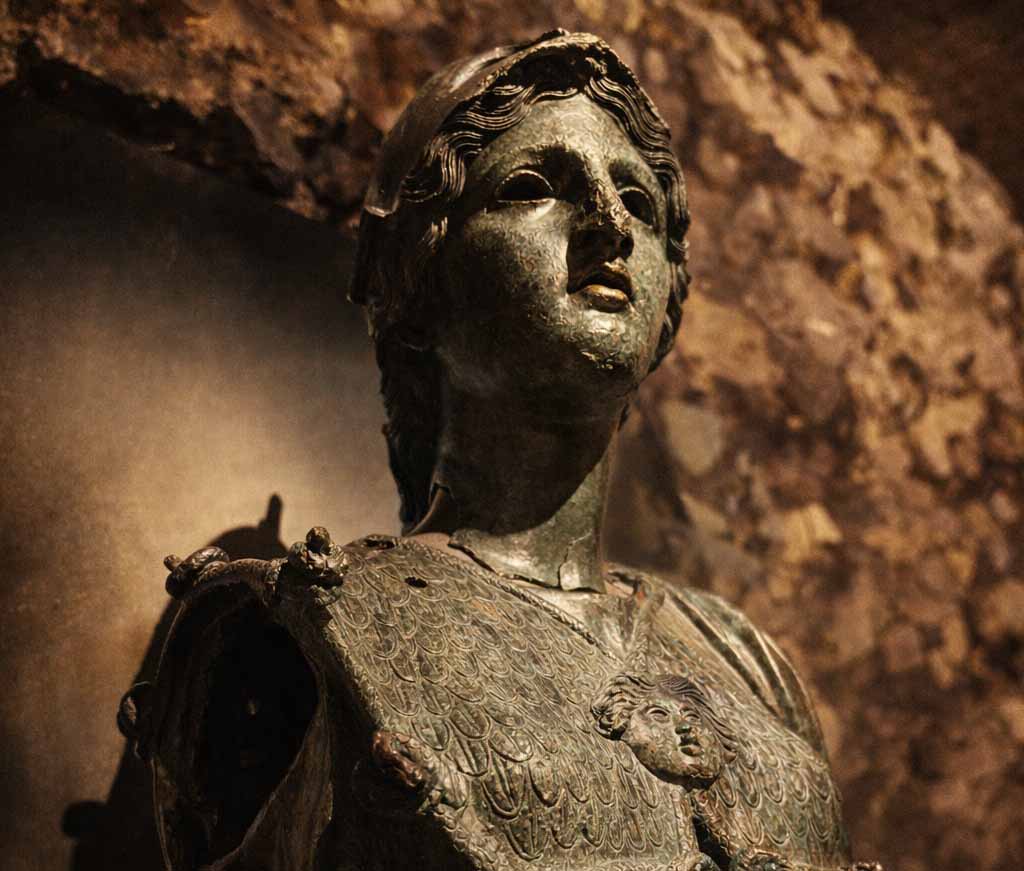
Ad Arezzo, alcune opere d’arte sono molto più che semplici pezzi da museo. Sono simboli di memoria, identità e orgoglio di quartiere. È certamente questo il caso della straordinaria Minerva di Arezzo, la celebre statua in bronzo rinvenuta nel 1541 vicino alla Chiesa di San Lorenzo, che torna ora in città dal 15 febbraio al 6 settembre 2026 per una mostra speciale al Museo Archeologico Nazionale “Gaio Cilnio Mecenate”. Dopo secoli trascorsi a Firenze, questa potente dea sta finalmente tornando a casa—almeno per un po’ di tempo.
In Arezzo, some works of art are far more than museum pieces. They are symbols of memory, identity, and neighborhood pride. That is certainly true of the extraordinary Minerva of Arezzo, the famous bronze statue discovered in 1541 near the Church of San Lorenzo, now returning to the city from February 15 to September 6, 2026 for a special exhibition at the “Gaio Cilnio Mecenate” National Archaeological Museum. After centuries in Florence, this powerful goddess is finally coming home—at least for a while.
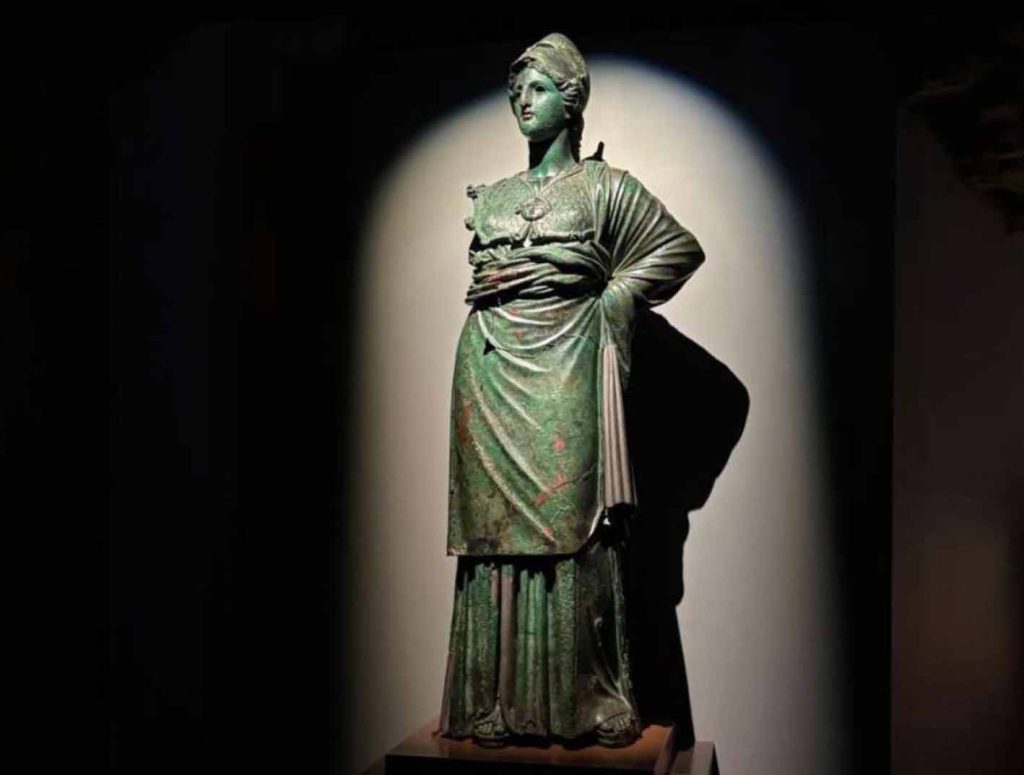
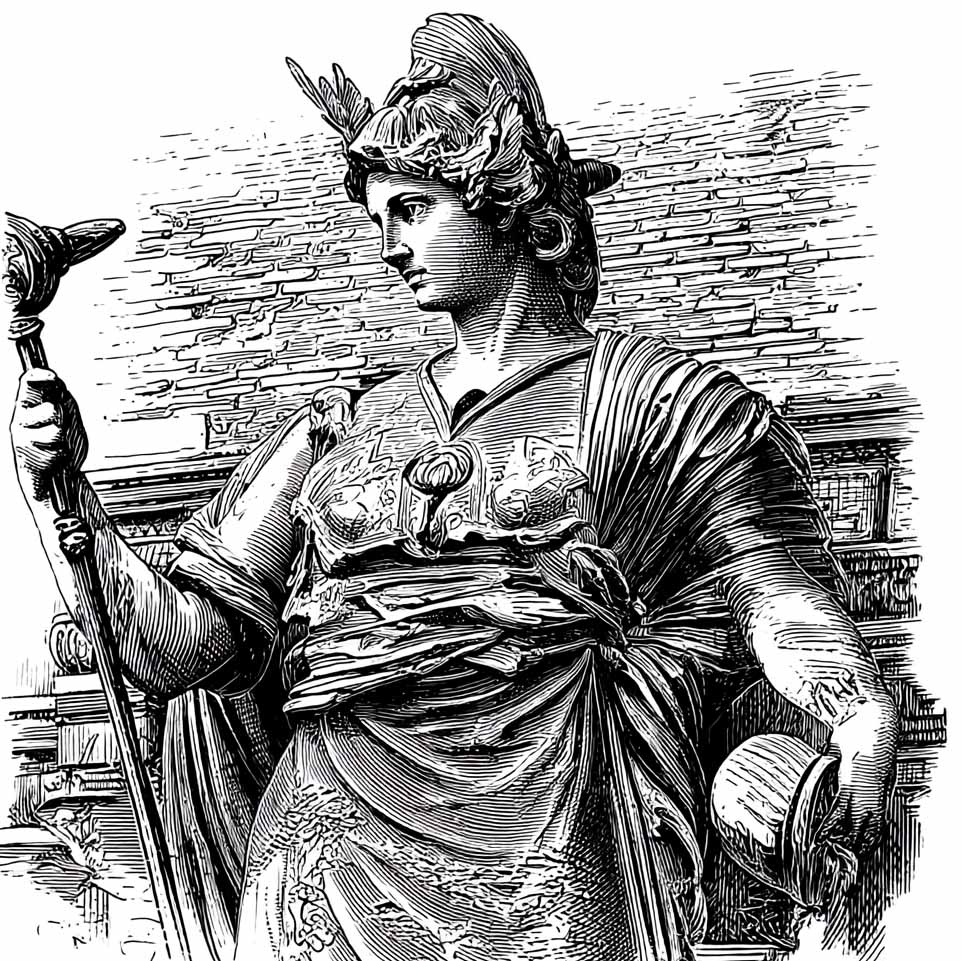
Alta 150,5 centimetri, la statua raffigura Atena, o Minerva, vestita con chitone, himation, egida ornata dalla testa di Medusa ed elmo corinzio. Datata intorno al 300-280 a.C., la scultura richiama un modello ellenistico probabilmente realizzato in Italia o nella Magna Grecia. Anche se il suo stile guarda al mondo greco, il bronzo è anche una grande opera dell’arte etrusca, rivelando come l’Etruria abbia saputo trasformare le influenze del Mediterraneo in qualcosa di profondamente originale e tutto suo.
Standing 150.5 centimeters tall, the statue depicts Athena, or Minerva, wearing a a long tunic, a draped cloak, and her divine protective aegis adorned with Medusa’s head, and a Corinthian helmet. Dating to around 300 to 280 BCE, the sculpture reflects a Hellenistic model probably created in Italy or Magna Graecia. While its style looks toward the Greek world, the bronze is also a major work of Etruscan art, revealing how Etruria transformed Mediterranean influences into something uniquely its own.
Perché questo bronzo è così importante
Why This Bronze Matters So Much
La Minerva non è soltanto bella. È una prova splendida della raffinatezza tecnica raggiunta nell’antichità nella fusione a cera persa, ed è anche una finestra aperta sul ruolo di Arezzo come centro di eccellenza nella lavorazione dei metalli già in epoca etrusca e romana. Osservandola, non si ammira solo una dea: si ammira l’intelligenza di una civiltà capace di trasformare il bronzo in movimento, equilibrio, forza e grazia. È il genere di scultura che sembra dire, in silenzio ma con perfetta autorevolezza: “Sì, anche duemila e più anni fa sapevamo fare meraviglie.”
The Minerva is not important only because she is beautiful. She is a dazzling example of the technical sophistication achieved in antiquity through lost-wax bronze casting, and she also opens a window onto Arezzo’s role as a center of excellence in metalworking already in Etruscan and Roman times. Looking at her, we are not simply admiring a goddess, but the intelligence of a civilization able to turn bronze into motion, balance, strength, and elegance. It is the kind of sculpture that seems to whisper, with absolute authority: “Yes, more than two thousand years ago, we already knew how to make wonders.”
Chi è Minerva?
Who Is Minerva?
Minerva, per i Romani, era la dea della sapienza, delle arti, dei mestieri, delle professioni e, in seguito, anche della strategia militare. Era comunemente identificata con la dea greca Atena, ma nel mondo italico assunse un valore tutto particolare come protettrice dell’ingegno umano, del pensiero pratico, della tecnica e del saper fare. Non stupisce quindi che una figura del genere fosse tanto amata: Minerva rappresentava non la forza bruta, ma l’intelligenza applicata, la mente lucida, la mano capace, il progetto ben costruito. In altre parole, la dea perfetta per una città che da secoli conosce il valore dell’arte, dell’artigianato e della visione.
For the Romans, Minerva was the goddess of wisdom, the arts, crafts, professions, and later also of military strategy. She was commonly identified with the Greek Athena, yet in the Italic world she took on a special role as a protector of human ingenuity, practical thought, technique, and skilled workmanship. It is no surprise that a figure like this was so beloved: Minerva represented not brute force, but applied intelligence, a clear mind, a capable hand, and a well-built plan. In other words, the perfect goddess for a city that has long understood the value of art, craftsmanship, and vision.
Una scoperta rinascimentale dal sapore leggendario
A Renaissance Discovery with the Flavor of Legend
La scoperta della Minerva sembra quasi una scena scritta dalla storia stessa. Nel 1541, mentre l’autorità medicea stava ridisegnando Arezzo e Cosimo I trasformava il profilo della città, alcuni uomini che scavavano un pozzo nei pressi di San Lorenzo riportarono improvvisamente alla luce un’antica dea. Il bronzo emerse dalla terra proprio nel momento in cui sopra di esso stava sorgendo un nuovo ordine politico, come se Arezzo stesse silenziosamente affermando la resistenza della sua anima molto più antica. Subito ammirata come un capolavoro, la statua fu presentata a Cosimo I de’ Medici e portata a Firenze, dove egli la collocò nel suo studiolo privato. L’immagine è irresistibile: un sovrano del Rinascimento, circondato da arte e ambizione, che riconosce il potere di un tesoro antico quasi nell’istante stesso in cui rinasce. E anche se la Minerva sarebbe poi diventata una delle grandi protagoniste delle collezioni fiorentine, la sua storia è rimasta sempre profondamente radicata ad Arezzo.
The discovery of the Minerva feels almost like a scene written by history itself. In 1541, as Medici authority was reshaping Arezzo and Cosimo I was transforming the city’s skyline, men digging a well near San Lorenzo suddenly brought an ancient goddess back into the light. The bronze emerged from the earth at the very moment a new political order was rising above it, as if Arezzo were quietly insisting on the endurance of its much older soul. Immediately admired as a masterpiece, the statue was presented to Cosimo I de’ Medici and carried to Florence, where he placed it in his private study. The image is irresistible: a Renaissance ruler, surrounded by art and ambition, recognizing the power of an ancient treasure almost the instant it was reborn. And though the Minerva would go on to become one of the great stars of the Florentine collections, her story has always remained rooted in Arezzo.
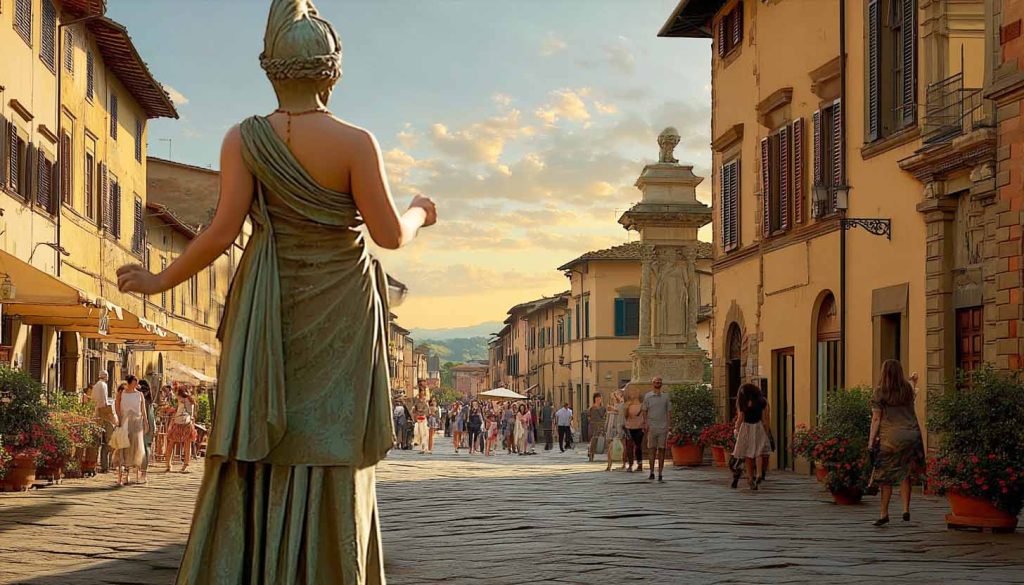
Un ritorno che è molto più di una mostra — Perché questa storia affascina tanto
A Return That Is Much More Than an Exhibition — Why This Story Is So Fascinating
Forse perché la Minerva riunisce tutto ciò che amo raccontare dell’Italia: arte, storia, mito, quartieri, identità locale, bellezza e continuità. Non è soltanto una statua antica. È una creatura di bronzo che ha attraversato Etruschi, Romani, Rinascimento, Medici, musei e memoria popolare, e che oggi torna a ricordarci che certi capolavori non appartengono solo al passato. Appartengono anche ai luoghi che li hanno sognati, ritrovati e mai dimenticati.
Perhaps because Minerva gathers together everything I love to tell about Italy: art, history, myth, neighborhoods, local identity, beauty, and continuity. She is not simply an ancient statue. She is a bronze being who has passed through the worlds of the Etruscans, Romans, the Renaissance, the Medici, museums, and popular memory, and who now returns to remind us that certain masterpieces do not belong only to the past. They also belong to the places that dreamed them, found them, and never forgot them.
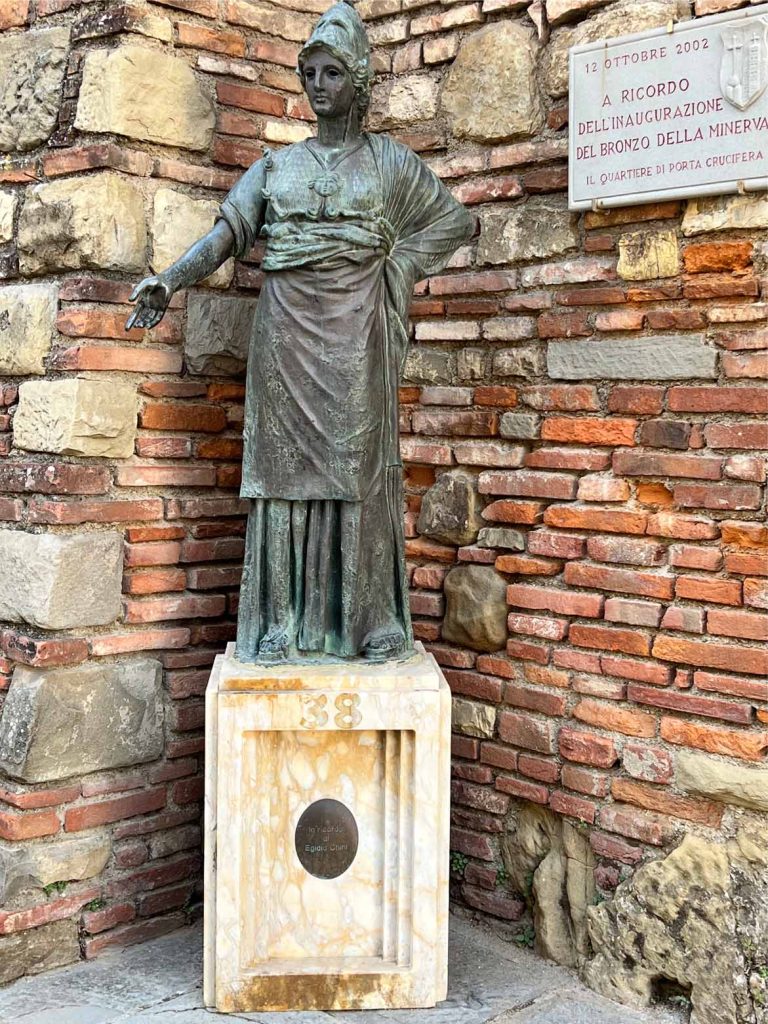
Dal museo alle strade di Arezzo, Minerva ti aspetta
From the Museum to the Streets of Arezzo, Minerva Is Waiting
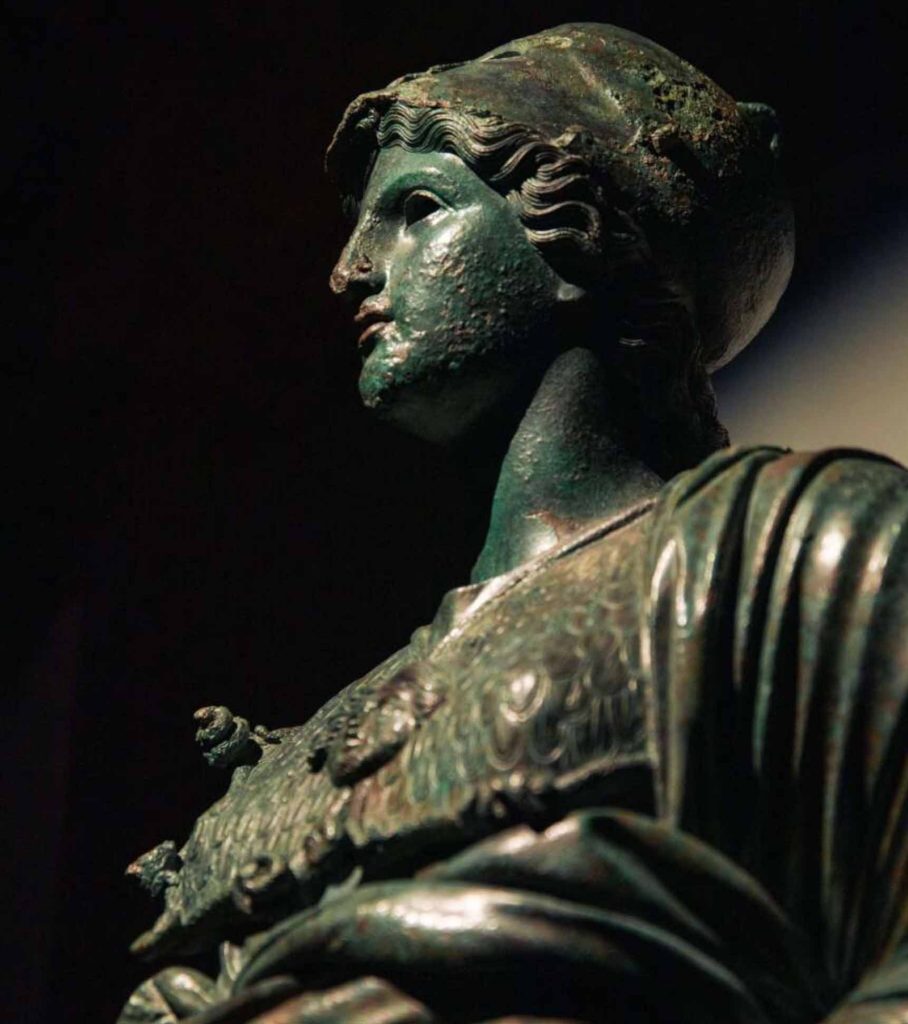
Se ti trovi ad Arezzo tra febbraio e settembre 2026, non perdere l’occasione di vedere la Minerva originale in questa straordinaria mostra del suo ritorno a casa al Museo Archeologico Nazionale “Gaio Cilnio Mecenate.” E, ancora meglio, vieni a raggiungermi ad Arezzo questo giugno o settembre e anche tu potrai fermarti davanti a questo magnifico bronzo per ammirare da vicino il suo elmo, la testa di Medusa e le eleganti pieghe del panneggio. Dopotutto, non capita tutti i giorni che una dea torni a casa.
If you find yourself in Arezzo between February and September 2026, don’t miss the chance to see the original Minerva in this extraordinary homecoming exhibition at the Museo Archeologico Nazionale “Gaio Cilnio Mecenate.” And better yet, come join me in Arezzo this June or September, and you too can stand before this magnificent bronze and admire her helmet, the head of Medusa, and the graceful folds of her drapery up close. After all, it is not every day that a goddess returns home.
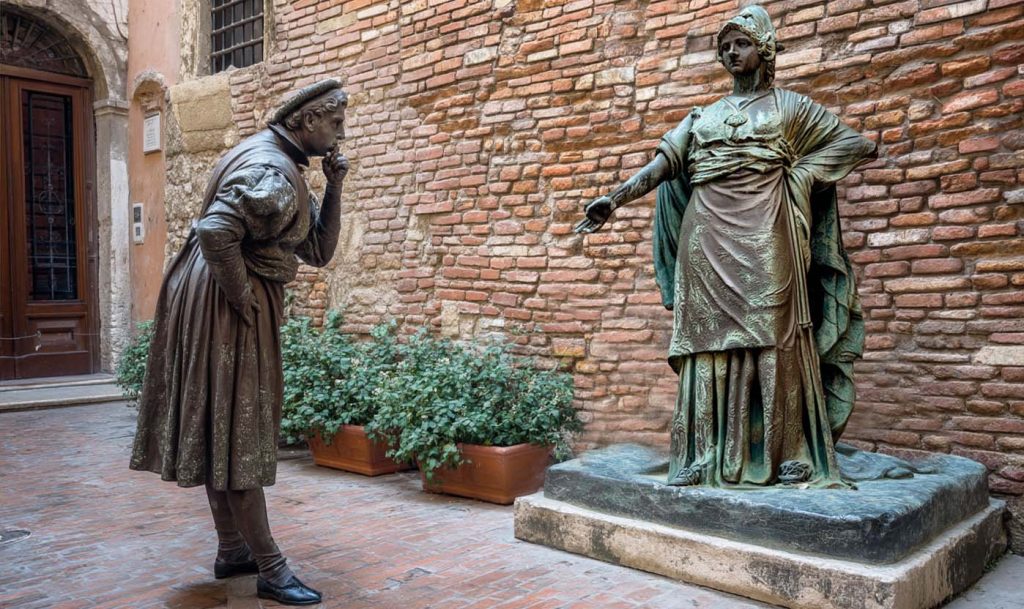
Ciò che rende tutto questo ancora più speciale è che la presenza di Minerva si percepisce anche oltre le mura del museo. In un giorno qualunque, passeggiando per le strade di Arezzo, puoi anche scorgere una copia della statua nella zona di San Lorenzo, nel quartiere di Porta Crucifera/Colcitrone, un silenzioso e bellissimo promemoria del fatto che questa dea non è mai stata davvero dimenticata.
What makes this even more special is that Minerva’s presence can still be felt beyond the museum walls. On any ordinary day, as you wander through the streets of Arezzo, you can also spot a replica of the statue in the San Lorenzo area of Porta Crucifera/Colcitrone, a quiet and beautiful reminder that this goddess has never really been forgotten.
Arezzo TV – La Minerva torna ad Arezzo
🇮🇹 Un consiglio dalla Matta 🇮🇹
Matta Italian Language Tip!
How do you say “discovery” in Italian?
It depends on the kind of finding you mean.
Scoprire
Scoprire is the most common verb and simply means to discover.
You can use it for almost anything: a place, a secret, a fact, or a work of art.
Example: Nel 1541 scoprirono la Minerva vicino alla Chiesa di San Lorenzo.
Ritrovare
Ritrovare means to find again or to recover, but it is also often used when something ancient, lost, or buried is brought back to light.
Example: La Minerva fu ritrovata nel 1541 vicino alla Chiesa di San Lorenzo.
Rinvenire
Rinvenire is more formal and is often used in archaeology, museum texts, and newspaper articles. It has a slightly more scholarly, official tone.
Example: La statua fu rinvenuta durante lo scavo di un pozzo.
Tiny word changes, and suddenly
your Italian sounds less textbook and more like
it belongs on a museum plaque in Tuscany.
Another Matta Tip: If you’d like to print or create a PDF of this post you can easily do so using the Chrome Browser Extension —-> GoFullPage! It works beautifully!


Affascinante! Grazie mille!