Le libere donne di Magliano: tra libro, follia, amore e un bordello a Lucca
The Free Women of Magliano: between book, madness, love, and a brothel in Lucca
What happens when Tobino meets Rai TV
Che cosa succede quando Tobino incontra Rai TV
Dopo aver letto Le libere donne di Magliano di Mario Tobino, lo psichiatra e scrittore che iniziò a lavorare negli anni Quaranta in un manicomio femminile vicino a Lucca, ero curiosa di guardare la nuova serie Rai ispirata al libro. Nell’adattamento, il personaggio principale è interpretato da Lino Guanciale, un attore che ammiro molto e che avevo già imparato ad apprezzare nei panni del Commissario Ricciardi.[guardi il Matta Book Club Selection].
After reading Le libere donne di Magliano by Mario Tobino, the psychiatrist and writer who began working in the 1940s at a women’s mental institution near Lucca, I was eager to watch the new Rai TV series inspired by the book. In the adaptation, the main character is portrayed by Lino Guanciale, an actor I admire greatly and had already come to love as Commissario Ricciardi. [check out the Matta Book Club Selection.]
Ma quasi subito è diventato chiaro che la fiction televisiva si era presa notevoli libertà rispetto al testo originale di Tobino. Sono state proprio quelle differenze tra il libro e la serie a stuzzicare la mia curiosità e a spingermi ad approfondire un po’ di più, cercando di capire che cosa appartenesse alla storia e che cosa fosse stato invece costruito per lo schermo.
But almost immediately, it became clear that the television drama had taken notable liberties with Tobino’s original text. It was exactly those differences between the book and the series that piqued my curiosity and sent me digging a little deeper, trying to sort out what belonged to history and what had been shaped for the screen.
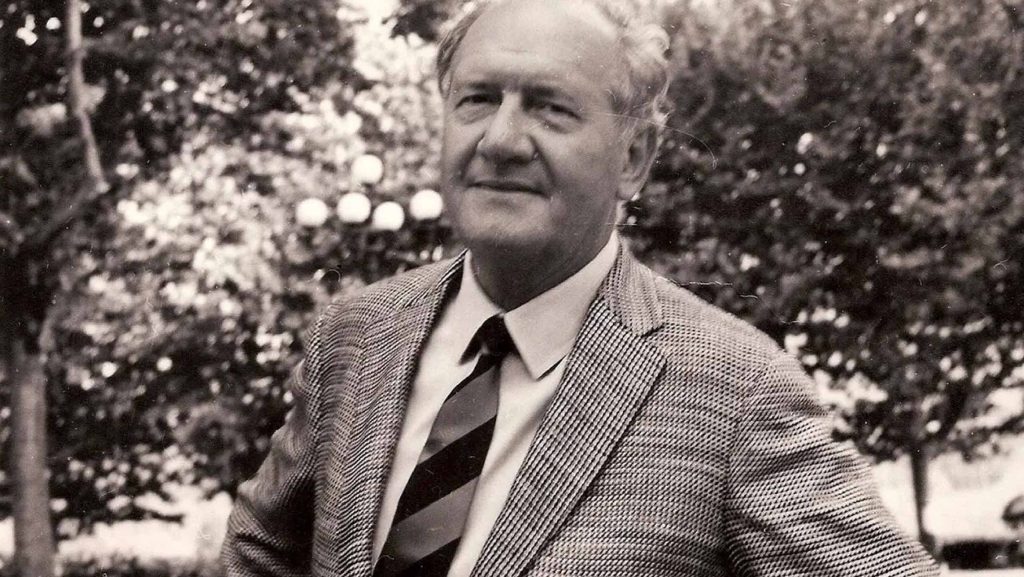
Mario Tobino: medico, poeta e osservatore dell’animo umano
Mario Tobino: doctor, poet, and observer of the human soul
Mario Tobino ha lavorato come medico psichiatra per quasi quarant’anni all’ospedale psichiatrico di Maggiano, vicino a Lucca. Da quelle parti si diceva che, se vieni da Maggiano, devi essere “matto”. A partire dal 1942 fino al 1980, Tobino lavorò nel reparto femminile del manicomio. Questa lunga esperienza in ospedale, soprattutto con le pazienti donne, ha influenzato profondamente il suo modo di pensare alla malattia mentale,
Mario Tobino worked as a psychiatrist for nearly forty years at the psychiatric hospital in Maggiano, near Lucca. In that area, people used to say that if you come from Maggiano, you must be “crazy.” Starting in 1942 until 1980, Tobino worked in the women’s ward in the mental institution. This long experience in the hospital, especially with female patients, deeply shaped the way he thought about mental illness.
Ma Tobino non era soltanto un medico. Era anche scrittore e poeta. Leggeva Dante ogni giorno e scrisse perfino un libro dedicato a lui. Nel 1953 pubblicò Le libere donne di Magliano, un’opera ispirata alle sue esperienze personali. Cambiò il nome della clinica, da Maggiano a Magliano, e cambiò anche i nomi delle pazienti.
But Tobino was not only a doctor. He was also a writer and a poet. He read Dante every day and even wrote a book dedicated to him. In 1953 he published Le libere donne di Magliano, a work inspired by his personal experiences. He changed the name of the clinic from Maggiano to Magliano, and he also changed the names of the patients.
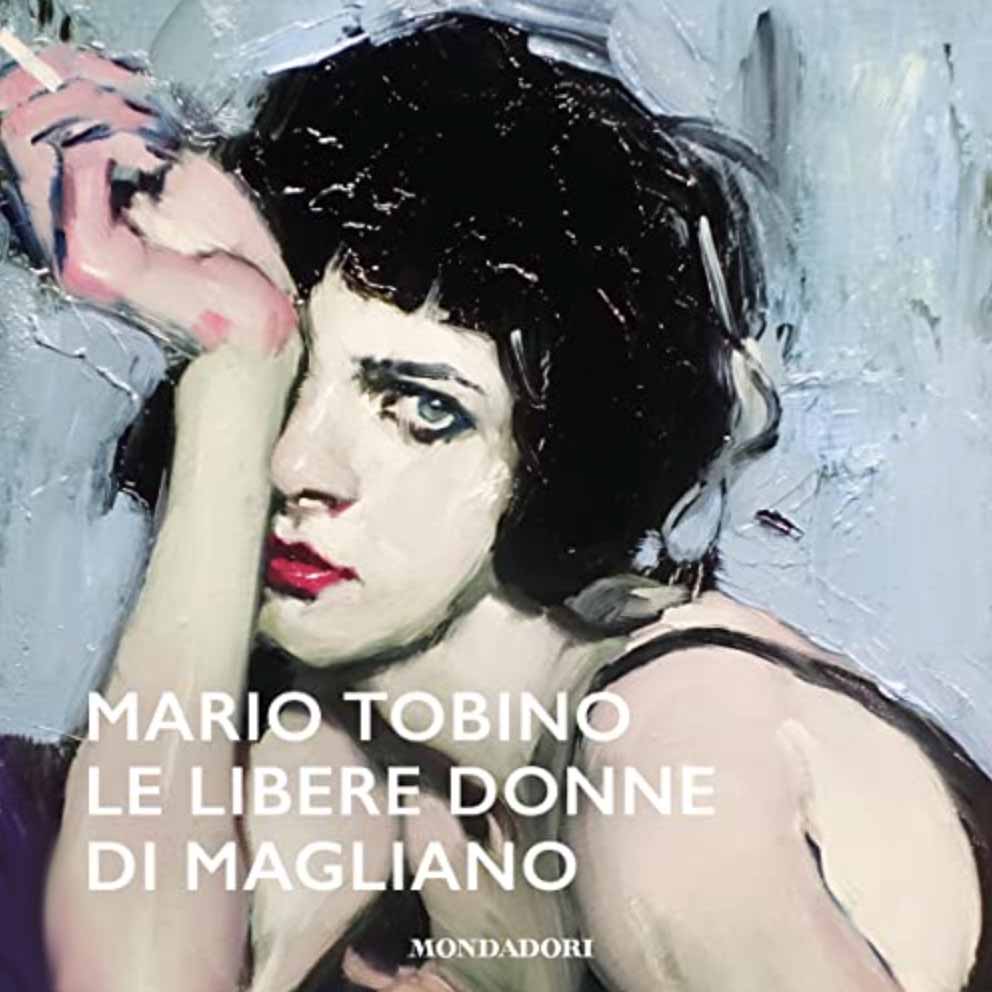
Un romanzo fatto di ritratti, non di finzione
A novel made of portraits, not fiction
Il libro non è un romanzo inventato come la serie televisiva, ma una sorta di diario autobiografico, una raccolta di appunti, osservazioni e pensieri. Tobino racconta queste donne con grande compassione, non con lo sguardo freddo e distante di un medico. Attraverso piccoli ritratti ci presenta donne aggressive, tristi, disperate, dolci o completamente lontane dal mondo.
The book is not an invented novel like the television series, but rather a kind of autobiographical diary, a collection of notes, observations, and reflections. Tobino writes about these women with deep compassion, not with the cold and distant gaze of a physician. Through small portraits, he introduces us to women who are aggressive, sad, desperate, gentle, or completely removed from the world.
Tobino le chiama “libere” perché, nella loro follia, sembrano vivere fuori dalle regole della società. Ed è proprio qui che il libro diventa così affascinante: non cerca di spiegare tutto, non chiude la follia dentro una definizione ordinata, ma lascia aperta una domanda inquietante e profondamente umana.
Tobino calls them “free” because, in their madness, they seem to live outside the rules of society. And this is exactly where the book becomes so fascinating: it does not try to explain everything, it does not lock madness inside a tidy definition, but leaves open a disturbing and deeply human question.
The novel in Italiano is on Amazon. Got to Audible.it to find the Audiobook in Italiano
La follia è davvero una malattia?
Is madness really an illness?
Nel suo libro, Tobino pone una domanda molto chiara: “La follia è davvero una malattia?” Ma non offre una risposta semplice. Fa capire che, forse, la follia non è solo una malattia, ma anche qualcosa di misterioso che appartiene alla natura umana. In questo modo invita il lettore a guardare con occhi diversi una realtà che troppo spesso viene rifiutata, giudicata o temuta.
In his book, Tobino asks a very clear question: “Is madness really an illness?” But he does not offer a simple answer. He suggests that perhaps madness is not only an illness, but also something mysterious that belongs to human nature. In this way, he invites the reader to look differently at a reality that is too often rejected, judged, or feared.
È una domanda che resta nell’aria anche dopo aver chiuso il libro. E forse è proprio questa la forza di Tobino: non dare soluzioni facili, ma restare accanto al mistero.
It is a question that lingers in the air even after closing the book. And perhaps this is Tobino’s true strength: not giving easy answers, but remaining beside the mystery.
Trailer — Le libere donne su RAI
La serie TV: più dramma, più invenzione, più melodramma
The TV series: more drama, more invention, more melodrama
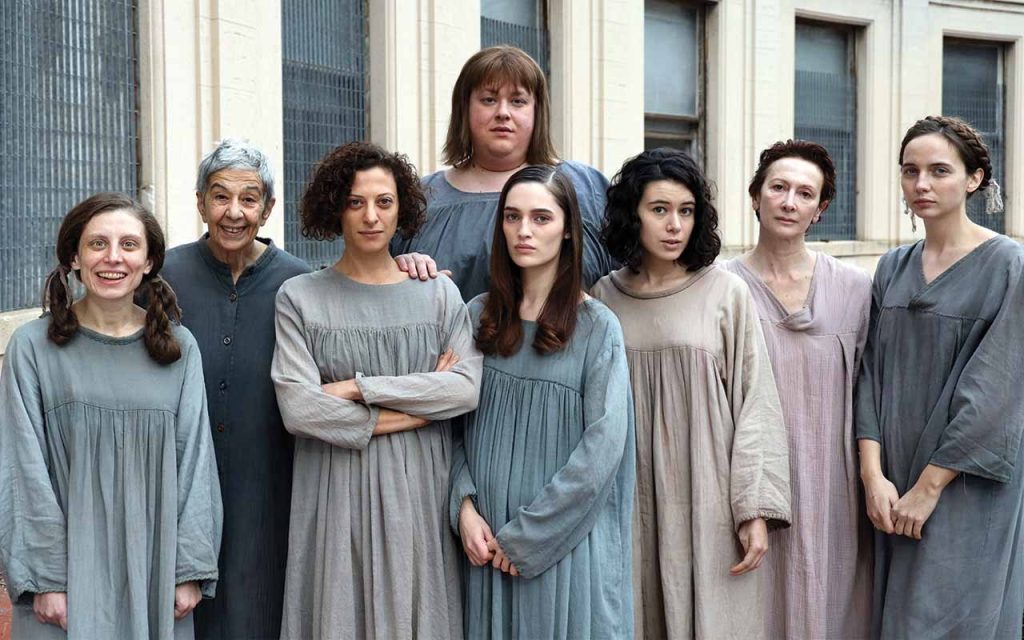
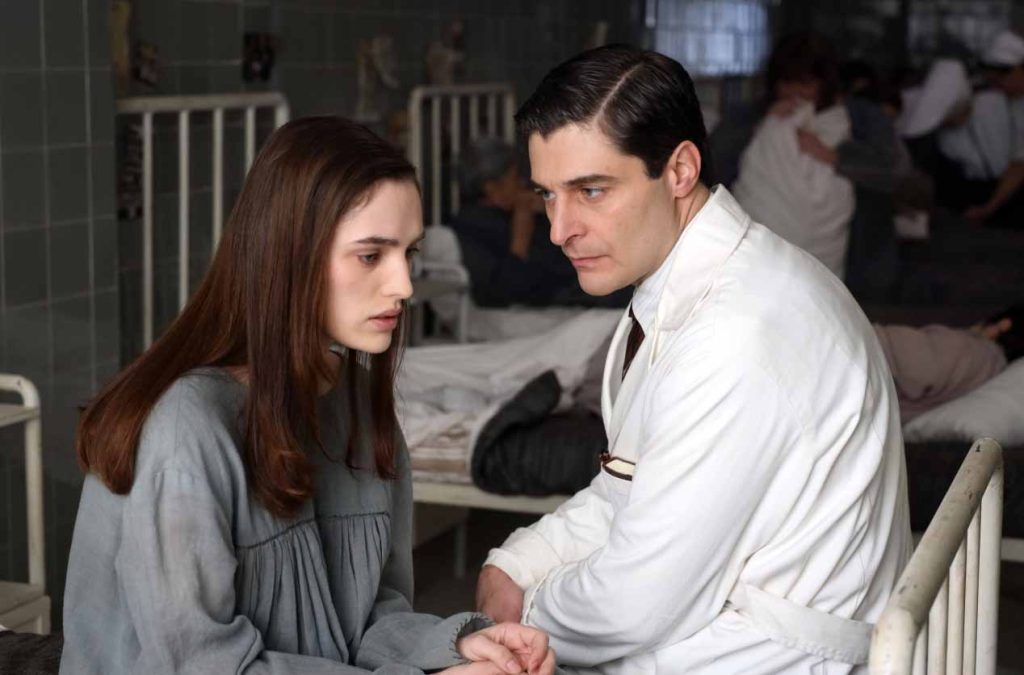
Nell’adattamento televisivo, invece, la storia è costruita con maggiore attenzione ed è ambientata in Toscana alla fine della Seconda guerra mondiale. Introduce due storie d’amore, conferendo al dramma un tono più apertamente romanzato e cinematografico. Pur prendendo ispirazione dal mondo di Tobino, la serie rielabora quel materiale in una narrazione pensata per la televisione, ricca di atmosfera, tensione emotiva e personaggi creati per affascinare il pubblico: cattivi che amiamo odiare, donne vulnerabili che vorremmo proteggere e un sentimento amoroso posto ben al centro della vicenda.
In the television adaptation, however, the story is more carefully shaped and set in Tuscany at the end of World War II. It introduces two love stories, giving the drama a more overtly fictional and cinematic tone. While the series draws inspiration from Tobino’s world, it reshapes that material into a narrative designed for television, rich in atmosphere, emotional tension, and characters made to captivate the audience: villains we love to hate, vulnerable women we long to protect, and romance placed very much at the center of the story.
Mentre cercavo di distinguere i fatti dalla finzione, mi sono incuriosita soprattutto delle due donne al centro della storia. Erano reali? Una piccola ricerca mi ha rivelato che, nella vita vera di Tobino, non esisteva una vera “Margherita”. Esisteva però una vera Paola, e non era affatto una donna qualunque.
As I tried to sort out fact from fiction, I became especially curious about the two women at the heart of the story. Were they real? A little research revealed that, in Tobino’s actual life, there was no real “Margherita.” There was, however, a real Paola, and she was no ordinary woman.
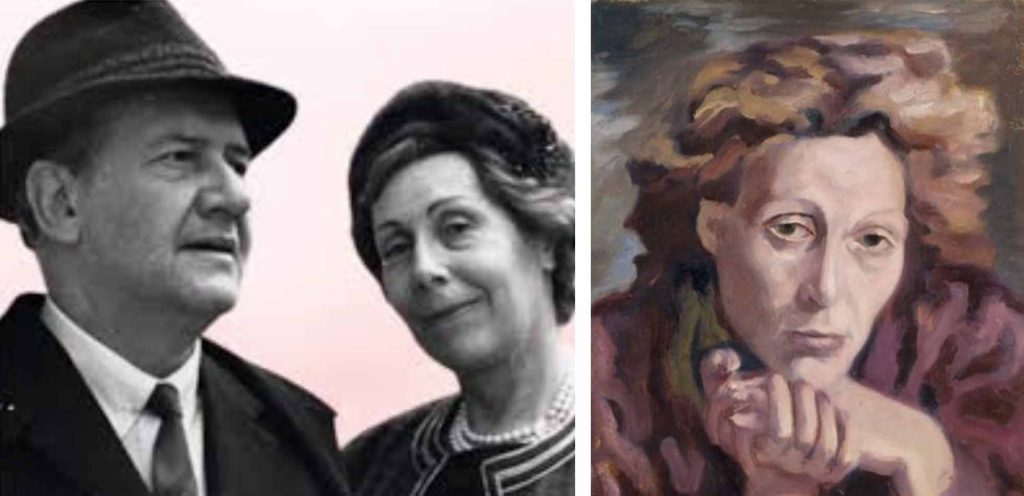
Paola Levi Olivetti: una donna degna del suo film
Paola Levi Olivetti: a woman worthy of her own film
Paola, che nella fiction televisiva appare come uno dei grandi amori della vita di Tobino, era in realtà una donna vera, e Tobino nella vita vera la descriveva come l’amore della sua vita.
Paola, who appears in the TV drama as one of the great love interests in Tobino’s life, was in fact a real woman, and Tobino in real life described her as the love of his life.
Ho trovato assolutamente affascinante scoprire qualcosa di più su questa “Paola”. Approfondendo un po’, ho scoperto che la sua vita era piena di legami straordinari e svolte sorprendenti. Era la sorella di Natalia Ginzburg, e il suo primo marito fu Adriano Olivetti, il celebre imprenditore dietro la famosa azienda di macchine per scrivere. In seguito divorziò da lui dopo essersi innamorata dello scrittore e pittore Carlo Levi. Alla fine incontrò Mario Tobino, divenne una delle sue più grandi muse, sostenne e incoraggiò la sua vita di scrittore e rimase al suo fianco per il resto della loro vita.
I found it absolutely fascinating to learn more about this “Paola.” As I dug a little deeper, I discovered that her life was full of remarkable connections and surprising turns. She was the sister of Natalia Ginzburg, and her first husband was Adriano Olivetti, the celebrated entrepreneur behind the famous typewriter company. Later, she divorced him after falling in love with the writer and painter Carlo Levi. Eventually, she met Mario Tobino, became one of his greatest muses, encouraged and sustained his writing life, and remained by his side for the rest of their lives.
Secondo me, qualcuno dovrebbe fare un film anche su Paola. Ha avuto quel tipo di vita straordinaria che sembra appartenere a un romanzo, ed era tutto fuorché un personaggio secondario. Era una di quelle donne che entrano in scena e, in silenzio, si prendono tutta la storia.
In my opinion, someone should make a film about Paola too. She had the kind of extraordinary life that belongs in a novel and was anything but a secondary character. She was one of those women who step into a scene and quietly steal the whole story.
Quando Lucca Italian School diventa… un bordello
When Lucca Italian School becomes… a brothel
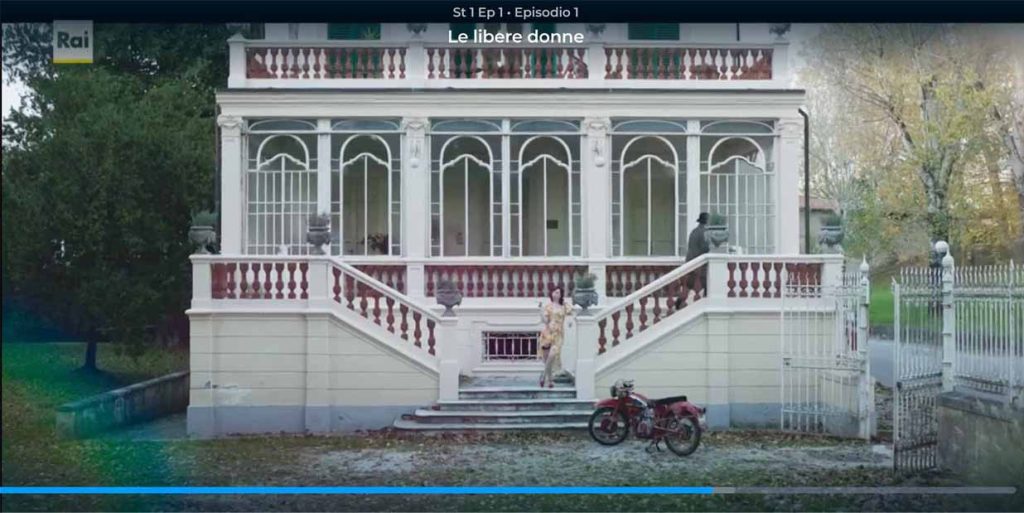
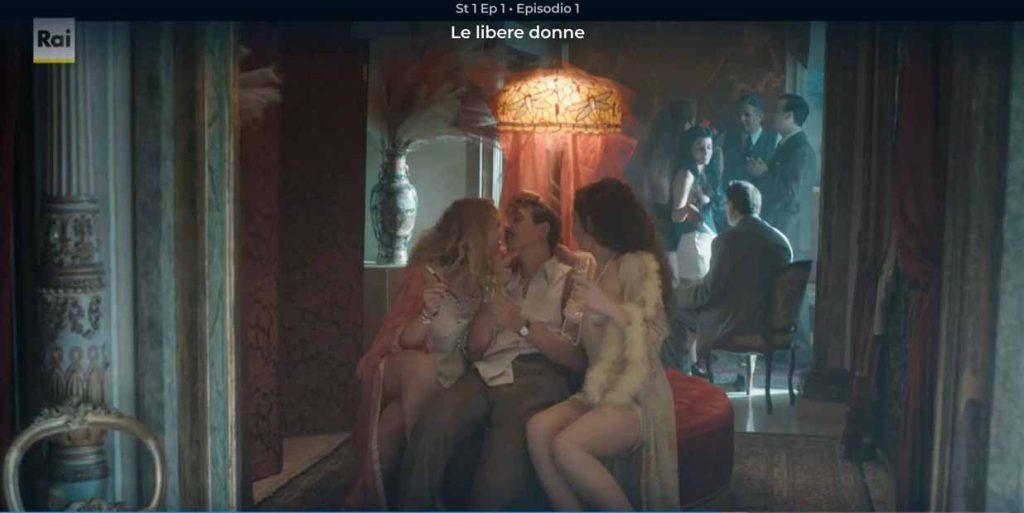
Ed ecco un altro dettaglio davvero delizioso che riguarda il film Le libere donne di Magliano e la mia scuola preferita a Lucca, Lucca Italian School, la scuola con cui collaboro per i miei programmi di immersione “matti”. Mentre guardavo la prima puntata su RaiPlay, in una delle scene ambientate a Lucca ho riconosciuto subito la scuola… o meglio, il “bordello”! Che spettacolo! Mi ha fatto sorridere tantissimo vedere quel luogo trasformato così sullo schermo.
And here is another truly delightful detail connected to the film Le libere donne di Magliano and my favorite school in Lucca, Lucca Italian School, the school I collaborate with for my wonderfully “mad” immersion programs. While watching the first episode on RaiPlay, in one of the scenes set in Lucca, I immediately recognized the school… or rather, the “brothel”! What a scene. It made me laugh out loud to see that place transformed like that on screen.
Subito ho scritto a Daniela, la mia collega di Lucca Italian School, per chiederle di raccontarmi qualcosa di più su questa faccenda. E la sua risposta è stata troppo bella per non condividerla.
I immediately wrote to Daniela, my colleague at Lucca Italian School, to ask her to tell me more about the whole affair. And her response was simply too good not to share.
Dietro le quinte: sorpresa totale!
un racconto di Daniela direttrice di Lucca Italian School
Behind the scenes: total surprise — recounted by Daniela Bonaccorsi
“A proposito della scuola e del bordello nel film… neanche noi sapevamo che avremmo cambiato attività! LOL. Circa due anni fa, solo all’ultimo minuto ci hanno informato che avevano scelto il nostro giardino per una scena, ma non si sapeva niente di più, nemmeno quando esattamente sarebbero venuti a girare, e men che meno che la villa sarebbe diventata un bordello di lusso.
As for the school and the brothel in the film… we didn’t know we were changing professions either! LOL. About two years ago, only at the very last minute, they told us they had chosen our garden for a scene, but we knew nothing more, not even exactly when they would come to film, much less that the villa would become a luxury brothel.
Sono arrivati all’improvviso un tardo pomeriggio, hanno bloccato l’uscita, per cui due insegnanti, a fine lezione, non sono potute andare a casa per circa 40 minuti. Non hanno assolutamente detto nulla e nessuno poteva parlare con loro. Hanno girato la scena e se ne sono andati. Tutto qua. All’interno non sono entrati. Quando martedì scorso abbiamo visto la puntata, ovviamente anche noi siamo rimasti tutti molto sorpresi dall’uso fatto della nostra scuola nella serie.”
“They arrived suddenly one late afternoon, blocked the exit, so two teachers, after class, could not go home for about 40 minutes. They said absolutely nothing and nobody could speak with them. They filmed the scene and left. That was it. They never went inside. When we watched the episode last Tuesday, of course we too were very surprised by the way our school had been used in the series.”
Ammettiamolo: questa storia merita quasi un capitolo a parte. Una scuola di lingua italiana di giorno, una casa di piacere di lusso sullo schermo la sera. Lucca sa sempre come mantenere un certo stile.
Let’s admit it: this story practically deserves a chapter of its own. An Italian language school by day, a luxury house of pleasure on screen by night. Lucca always knows how to maintain a certain style.
Lino Guanciale – l’attore che interpreta Tobino parla del suo legame con il vero Mario Tobino
Libro oppure serie televisiva: quale scegliere?
Book or TV series: which one should you choose?
La risposta giusta è semplice: tutti e due. Leggi il libro Le libere donne di Magliano di Mario Tobino e poi guarda anche la serie TV. Sono due opere molto diverse, ma proprio per questo entrambe interessanti. Il libro è più intimo, poetico e riflessivo. La serie aggiunge invenzione, atmosfera e dramma.
The right answer is simple: both. Read the book Le libere donne di Magliano by Mario Tobino and then watch the TV series too. They are two very different works, but that is precisely why they are both so interesting. The book is more intimate, poetic, and reflective. The series adds invention, atmosphere, and drama.
Insieme, ti aiutano a conoscere meglio non solo Tobino, ma anche un mondo pieno di umanità, fragilità e mistero. Un mondo scomodo, certo, ma profondamente vivo.
Together, they help you better understand not only Tobino, but also a world full of humanity, fragility, and mystery. An uncomfortable world, certainly, but one that is deeply alive.
Insomma, tra libri, serie TV, vecchi manicomi, storie d’amore sorprendenti e scuole che sullo schermo diventano case di piacere, a Lucca non ci si annoia di certo. E poi, diciamolo: un po’ matti lo siamo tutti, no? Forse è proprio questo che ci rende più umani, più curiosi e perfino più liberi.
So, between books, TV series, old asylums, surprising love stories, and schools that become brothels on screen, one thing is certain: life in Lucca is never dull. And let’s be honest, we are all a little mad, aren’t we? Perhaps that is exactly what makes us more human, more curious, and even a little freer.
🇮🇹 Un consiglio dalla Matta 🇮🇹
Matta Italian Language Tip!
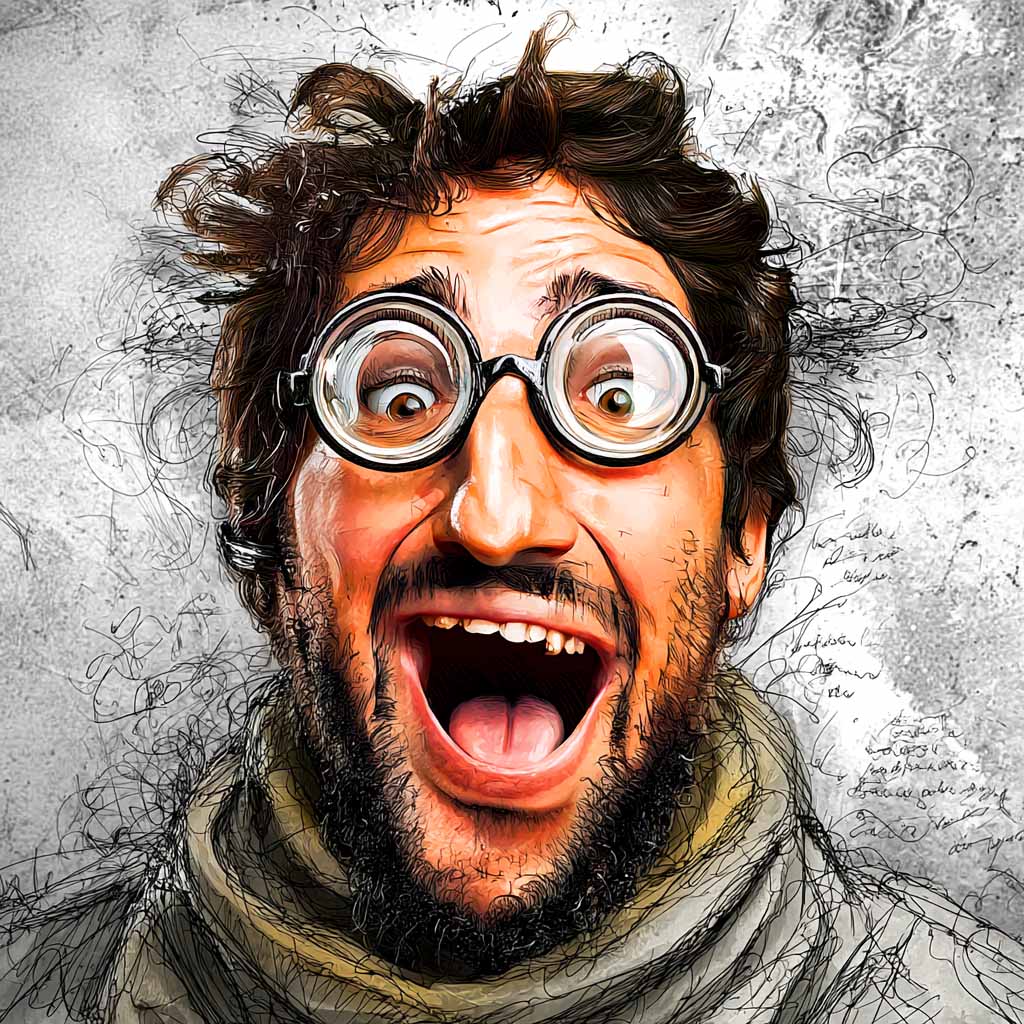
Follia e Matto!
Two Italian words that capture the idea of “madness”
Follia (noun) usually names the idea, condition, or act itself, and can range from real mental illness to an impulsive gesture, an absurd idea, or something delightfully over the top.
Questa è una follia! = This is madness!
Che follia meravigliosa! = What a marvelous crazy idea!
Ha fatto una follia per amore. = He or she did something wild for love.
++++++++++++++++++++
Matto (adjective) on the other hand, describes a person, mood, or behavior and is often used in a more informal, playful, or affectionate way to mean “crazy” or “mad.”
Sei matto? = Are you crazy?
È un po’ matto, ma simpatico. = He’s a little crazy, but likable.
Roba da matti = That’s insane. Unbelievable! (literally “crazy people’s stuff”)
++++++++++++++++++++
And of course, in true Studentessa Matta style,
being a little matta is sometimes part of the fun.
Another Matta Tip: If you’d like to print or create a PDF of this post you can easily do so using the Chrome Browser Extension —-> GoFullPage! It works beautifully!
Browse the Matta Amazon Bookshop
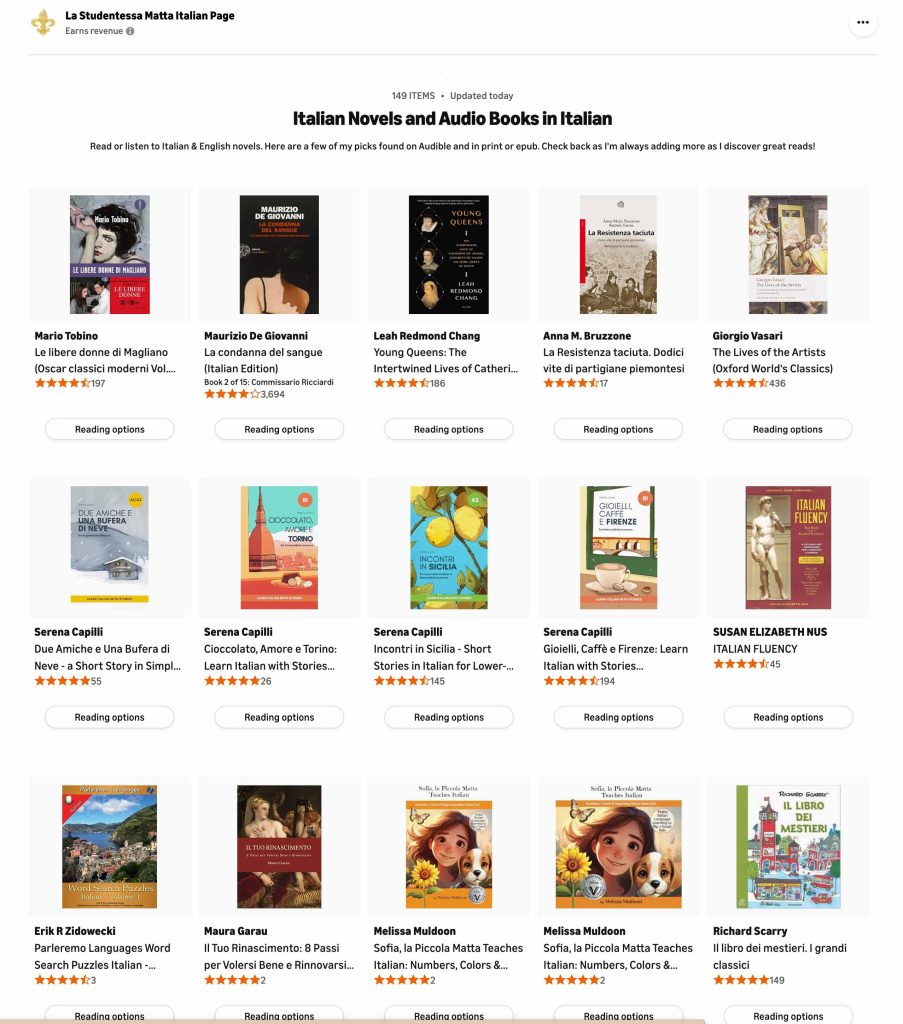
Explore my handpicked selections for learning Italian, plus novels, thoughtful gifts, and other treasures for Italophiles on the Matta Amazon site.