Respira, per carità!
Breathe, for heaven’s sake!
Dal fiatone alla meraviglia
From Panting to Wonder
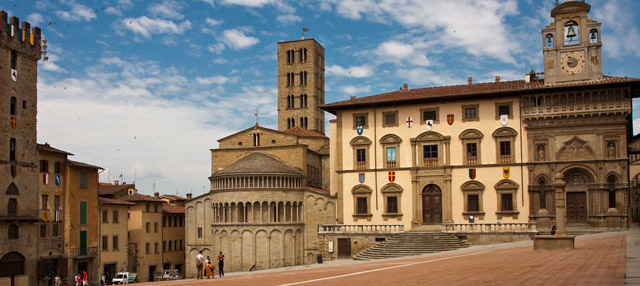
Ci pensavo proprio l’altro giorno: presto tornerò ad Arezzo a giugno, quella deliziosa città collinare toscana che riesce in qualche modo a essere al tempo stesso mozzafiato e… rubarti il fiato. Basta pensare alla vista dalla cima per restare senza fiato… in senso figurato, certo, ma anche un po’ in senso letterale. Dopo aver arrancato su per Via del Corso fino al Duomo e al Prato, arrivo sempre pronta ad ammirare ancora una volta quel panorama incredibile, con il cuore che batte forte e i polmoni in lieve protesta.
I was just thinking about this the other day: soon I’ll be heading back to Arezzo in June, that lovely Tuscan hill town that somehow manages to be both breathtaking and breath-stealing. Just thinking about the view from the top is enough to leave me breathless… figuratively, of course, but also a little literally. After puffing my way up Via del Corso to the Duomo and the Prato, I always arrive ready to gaze once again at the incredible view, my heart beating strongly and my lungs in mild protest.
E mentre riprendiamo fiato, vale la pena notare una cosa curiosa: in italiano, il mondo del respiro è sorprendentemente ricco, teatrale e pieno di sfumature. Non si tratta solo di respirare. In italiano si può essere trafelati, col fiatone, in affanno, col fiato corto, senza fiato, oppure respirare appena, trattenere il respiro o tirare un sospiro di sollievo. Insomma, l’arte dell’inspirare e dell’espirare in italiano ha una personalità tutta sua.
As I pause for a moment to imagine that view, and to catch my breath just at the thought of climbing that hill, it’s worth noticing something curious: in Italian, the world of breath is surprisingly rich, theatrical, and full of nuance. It’s not simply a matter of breathing. In Italian, you can be flustered, panting, winded, short of breath, breathless, barely breathing, holding your breath, or breathing a sigh of relief. In other words, the art of inhaling and exhaling in Italian has a personality all its own.
Tutti impariamo fin dall’inizio parole come respirare, inspirare ed espirare. Ma se volete aggiungere un po’ più di sfumatura e un pizzico di eleganza in più alle vostre conversazioni, è arrivato il momento di dare una ventata di nuova vita al vostro vocabolario.
We all learn from the very beginning words like respirare (to breath), inspirare (inhale), and espirare (exhale). But if you’d like to add a little more nuance and a little more air of sophistication to your conversations, it’s time to breathe some new life into your vocabulary.
Vocabolario per parlare di fiato, affanno e sospiri in italiano
Vocabulary for breathing, panting, gasping, and sighs in Italian

Trafelato/a
Flustered and Out of Breath
Trafelato è una parola meravigliosa. Non descrive soltanto qualcuno che ha corso. Descrive una persona che arriva di corsa, agitata, scompigliata, quasi catapultata sulla scena da una forza invisibile. È una parola che entra in una stanza ansimando.
Trafelato is a marvelous word. It doesn’t simply describe someone who has been running. It describes a person who arrives in a rush, agitated, disheveled, almost catapulted into the scene by some invisible force. It’s a word that enters the room panting.
Sono arrivata trafelata alla lezione perché pensavo di essere in ritardo.
I arrived at class all flustered because I thought I was late.
Avere il fiatone
To Be Panting
Avere il fiatone non è soltanto “essere senza fiato.” È quel respiro grosso, rumoroso, affaticato di chi ha salito le scale troppo in fretta o ha inseguito un treno con entusiasmo e scarpe poco adatte. Questa è un’espressione molto colloquiale, vivace, e utilissima nel parlato.
Avere il fiatone isn’t just “to be out of breath.” It’s that big, noisy, labored breathing of someone who climbed the stairs too fast or chased a train with enthusiasm and the wrong shoes. This is a very colloquial, vivid, and extremely useful expression in everyday speech.
Dopo aver corso dietro al taxi, avevo un tale fiatone
che non riuscivo neanche a salutare.
After running after the taxi, I was so out of breath I couldn’t even say hello.
Essere in affanno
To Be Winded or Struggling for Breath
Essere in affanno può riferirsi al respiro faticoso, ma anche a uno stato generale di agitazione e fatica. Quando siete in affanno, state cercando di stare dietro a qualcosa… fisicamente, mentalmente, o magari in entrambi i sensi.
Essere in affanno can refer to labored breathing, but also to a general state of strain and agitation. When you are in affanno, you’re trying to keep up with something… physically, mentally, or perhaps both.
Dopo la salita ero completamente in affanno.
After the uphill climb, I was completely winded.
Con tutte queste scadenze, sono in affanno anche mentalmente.
With all these deadlines, I’m struggling mentally too.
Avere il fiato corto
To Be Short of Breath
Avere il fiato corto indica un respiro breve, ridotto, affannoso. Può essere qualcosa di momentaneo, magari dopo uno sforzo, oppure un’espressione usata in un contesto più medico.
To have il fiato corto means to have short, reduced, labored breath. It can describe something temporary, perhaps after exertion, or it can be used in a more medical context.
Ho fatto solo due rampe di scale e ho già il fiato corto.
I climbed only two flights of stairs and I’m already short of breath.
Finché i livelli di ossigeno non torneranno normali,
potrà avere fiato corto, stanchezza e tosse.
Until your oxygen levels return to normal, you may experience
shortness of breath, fatigue, and coughing.
Rantolare / il rantolo
To Wheeze / A Death Rattle or Rattling Breath
Ed ecco una parola più cupa, ma molto espressiva: rantolare. Indica un respiro rauco, affannoso, rantolante, spesso associato a una persona gravemente malata o morente. Il sostantivo è il rantolo. Non è una parola da usare tutti i giorni, certo, ma in narrativa o in contesti drammatici è molto potente.
And now for a darker but very expressive word: rantolare. It refers to a raspy, labored, rattling kind of breath, often associated with someone gravely ill or dying. The noun is il rantolo. It’s certainly not an everyday word, but in storytelling or dramatic contexts, it’s a powerful one.
Il vecchio respirava con un rantolo affannoso.
The old man was breathing with a labored rattling sound.
Espressioni da tenere in tasca. Tornano sempre utili nella vita vera.
Expressions worth keeping in your pocket. They come in handy in real life
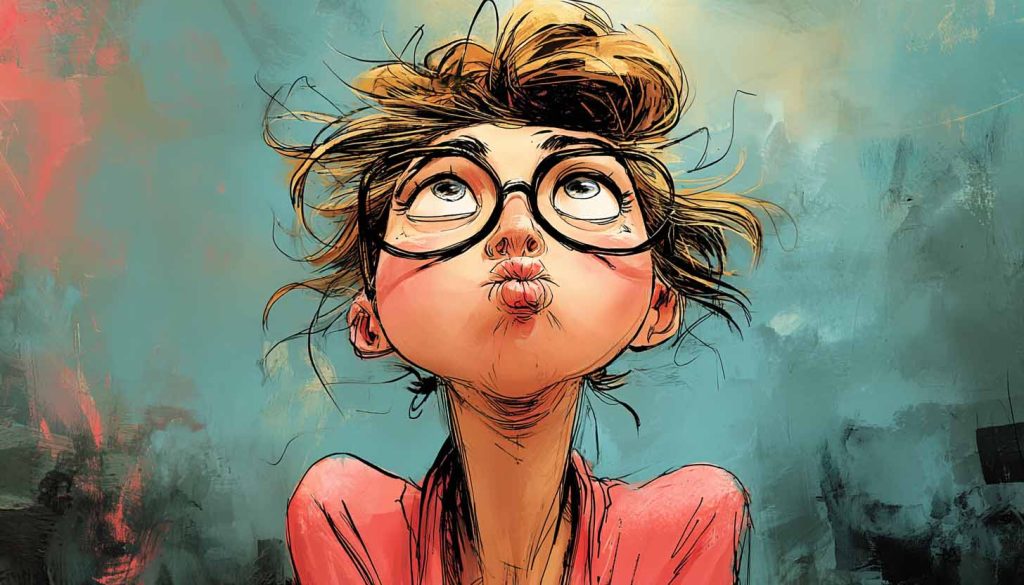
Trattenere il respiro
To Hold One’s Breath
Non tutte le espressioni legate al respiro parlano di fatica. A volte si trattiene il respiro per paura, suspense, emozione o pura meraviglia. Questa è una di quelle espressioni che funziona benissimo sia in senso letterale che figurato.
Not every breathing expression is about struggle. Sometimes you hold your breath because of fear, suspense, emotion, or pure wonder. This is one of those expressions that works beautifully both literally and figuratively. This is one of those expressions that works beautifully both literally and figuratively.
Abbiamo trattenuto il respiro fino all’ultimo minuto della partita.
We held our breath until the final minute of the match.
Respirare appena / respirare a malapena
To Be Barely Breathing
Se volete esprimere l’idea di qualcuno che respira appena, potete dire respirare appena oppure respirare a malapena. È un’espressione molto utile perché può essere drammatica, poetica oppure semplicemente descrittiva, a seconda del contesto.
If you want to express the idea of someone who is barely breathing, you can say respirare appena or respirare a malapena. This is a very useful expression because it can sound dramatic, poetic, or simply descriptive, depending on the context.
Riuscivo appena a respirare per la tensione emotiva.
I could hardly breathe because of the emotional tension.
Essere senza fiato
To Be Breathless
Essere senza fiato può voler dire due cose, ed è qui che l’italiano si diverte un po’. Può significare letteralmente che non riuscite a respirare bene perché avete corso, salito le scale o fatto uno sforzo. Ma può anche voler dire che qualcosa vi ha lasciati senza parole, sopraffatti dalla bellezza o dall’emozione. Un’unica espressione, due mondi: uno atletico e uno poetico.
Essere senza fiato can mean two things, and this is where Italian has a little fun. It can literally mean that you can’t breathe well because you ran, climbed stairs, or exerted yourself. But it can also mean that something left you speechless, overwhelmed by beauty or emotion. One expression, two worlds: one athletic and one poetic.
Dopo dieci minuti di corsa ero senza fiato.
After ten minutes of running, I was out of breath.
La vista dalla terrazza mi ha lasciata senza fiato.
The view from the terrace took my breath away.
Mozzafiato
Breathtaking
Nella stessa famiglia di senza fiato troviamo anche mozzafiato, una parola meravigliosa per descrivere qualcosa di spettacolare, travolgente o straordinariamente bello. Deriva da mozzare e fiato e suggerisce l’idea che il respiro venga quasi “tagliato” per lo stupore. In altre parole, qualcosa è così bello o impressionante da lasciarvi senza fiato.
In the same family as senza fiato, we also find mozzafiato, a marvelous word used to describe something spectacular, overwhelming, or extraordinarily beautiful. It comes from combining mozzare and fiato and suggests the idea that your breath is almost “cut off” by amazement. In other words, something is so beautiful or impressive that it leaves you breathless.
Ho guidato tra le montagne una volta, ed è stato mozzafiato.
I drove through the mountains once, and it was breathtaking.
Voleva fare colpo alla festa con il suo vestito mozzafiato.
She wanted to make a splash at the party with her stunning dress.
Fare un bel respiro e tirare un sospiro di sollievo
To Take a Deep Breath and Breathe a Sigh of Relief
E poi c’è il lato terapeutico del respiro. Quando la situazione si calma, si può fare un bel respiro. E quando il peggio è passato, si può tirare un sospiro di sollievo. Un po’ come quando finite di leggere un post in italiano e vi rendete conto di essere arrivati fino in fondo… e di aver capito tutto. Bravi!
And then there’s the healing side of breath. When things calm down, you can take a deep breath. And when the worst is over, you can breathe a sigh of relief. A bit like when you finish reading a blog post in Italian and realize you made it all the way through… and understood it. Bravi!
Prima di parlare in pubblico, ho fatto un bel respiro.
Before speaking in public, I took a deep breath.
Quando ho visto che avevo preso il treno giusto, ho tirato un sospiro di sollievo.
When I realized I had gotten on the right train, I breathed a sigh of relief.

Un ultimo respiro
A Final Breath
Chi avrebbe mai pensato che parlare di respiro in italiano potesse essere così divertente? Eppure eccoci qui, con un piccolo arsenale di parole perfette per descrivere una corsa disperata, una salita micidiale, una visita medica, una scena romantica, o quel momento in cui arriva il conto al ristorante e si resta… senza fiato.
Who would have thought that talking about breath in Italian could be this fun? And yet here we are, with a small arsenal of perfect words for describing a desperate run, a killer hill, a doctor’s visit, a romantic scene, or that moment when the restaurant bill arrives and you are left… breathless.
La prossima volta che vi sentite trafelati, avete il fiatone, oppure dovete semplicemente fare un bel respiro, ricordatevi che state imparando molto più di una parola. State imparando a dare ritmo, corpo e ironia al vostro italiano.
The next time you feel trafelati, have il fiatone, or simply need to take a deep breath, remember that you are learning much more than a word. You are learning how to give rhythm, body, and irony to your Italian.
E adesso… fate un bel respiro. Ve lo siete meritato.
And now… take a nice deep breath. You’ve earned it.
🇮🇹 Un consiglio dalla Matta 🇮🇹
Matta Italian Language Tip!

Just as in yoga, breath matters in Italian too.
A little trick borrowed from yoga.
Use your breath to learn Italian more effectively. Inhale slowly, exhale calmly, and while you do, repeat a new word or expression like “senza fiato,” “avere il fiatone,” or “tirare un sospiro di sollievo.”
Breathing deeply helps you slow down, hear sounds more clearly, and pronounce words more naturally. After all, learning a language, just like yoga, requires breath, balance, and a pinch of patience.
Il fiato = breath
Il respiro = breathing, breath
Trafelato/a = flustered, breathless from rushing
Il fiatone = panting, heavy breathing after exertion
L’affanno = breathlessness, strain
Essere senza fiato = to be out of breath / breathless / amazed
Avere il fiato corto = to be short of breath
La mancanza di respiro = shortness of breath
Respirare affannosamente = to breathe heavily
Respirare a fatica = to breathe with difficulty
Trattenere il respiro = to hold one’s breath
Tirare un sospiro di sollievo = to breathe a sigh of relief
Another Matta Tip: If you’d like to print or create a PDF of this post you can easily do so using the Chrome Browser Extension —-> GoFullPage! It works beautifully!