L’ultima magia del Natale e una lezione che vale tutto l’anno
The last magic of Christmas and a lesson for the whole year
Quando la Befana bussa alla porta
When La Befana Comes Knocking
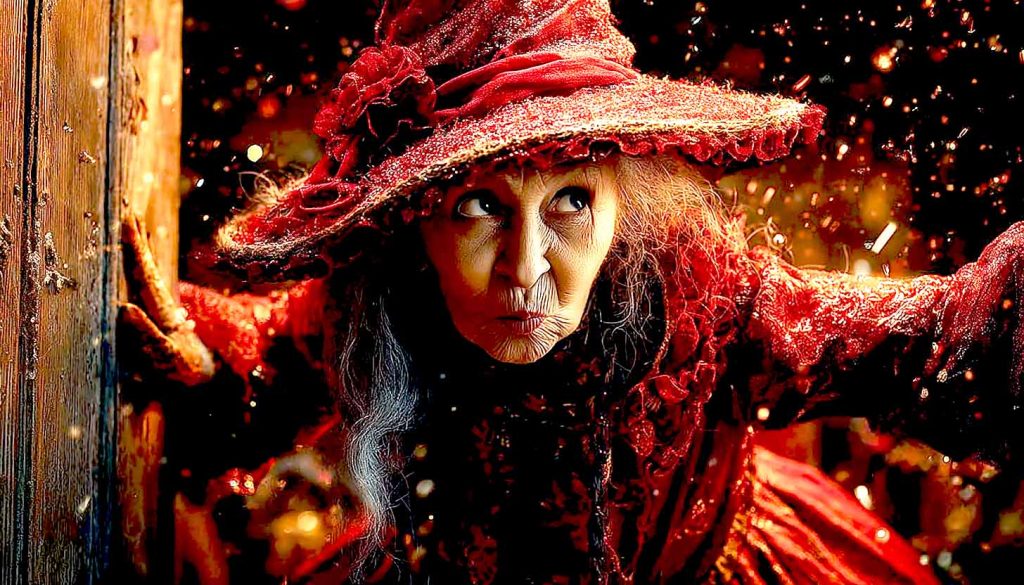
La Befana arriva tra qualche giorno e con lei festeggiamo l’ultima festa del periodo natalizio — l’Epifania.
La Befana arrives in a few days, and with her we celebrate the final holiday of the Christmas season — Epiphany.
La vecchietta — che non aveva tempo per i tre Magi, fermatisi davanti alla sua porta per chiederle dove potessero trovare il neonato, perché era troppo impegnata a tenere la casa pulita — li aveva cacciati via, costringendoli a proseguire da soli, senza alcun aiuto da parte sua.
The old woman — too busy cleaning her house to make time for the three Wise Men who stopped at her door asking where they could find the newborn — chased them away, forcing them to continue on alone, without any help from her.

Rimpianto, redenzione e una scopa volante
Regret, Redemption, and a Flying Broom
La Befana è un simbolo di rimpianto e redenzione. Rimasta da sola, rimuginò sul suo brutto carattere, sul suo egoismo, sugli errori commessi nella vita e soprattutto sul modo brusco con cui aveva trattato i tre Re. Volendo rimediare, proprio come il Grinch, il cuore della Befana diventò tre taglie più grande.
La Befana is a symbol of regret and redemption. Left alone, she reflected on her bad temper, her selfishness, the mistakes she had made in life, and above all the harsh way she had treated the three Kings. Wanting to make amends, just like the Grinch, her heart grew three sizes bigger.
Alla fine abbandonò le pulizie di casa, prese la sua scopa e si accinse a intraprendere il suo percorso alla ricerca del Bambino Gesù. Nel suo volo notturno, regalò doni a tutti i bambini, per assicurarsi di non aver trascurato nessuno. Brava donna! Con una scopa e un sacco di regali, era ben preparata per diventare una leggenda.
In the end, she abandoned the housework, grabbed her broom, and set off on her journey to find the Baby Jesus. During her nighttime flight, she gave gifts to all the children, making sure she hadn’t forgotten anyone. Brava donna! With a broom and a sack of gifts, she was well prepared to become a legend.

Una lezione che bussa alla porta
A Lesson That Knocks on the Door
La vecchia strega ci insegna una lezione importante: quando tre Re bussano alla porta, non bisogna reagire troppo in fretta e non mandarli via senza grazia. Meglio, invece, accoglierli e invitarli a entrare per un po’ di pasta e vino, per saperne di più.
The old witch teaches us an important lesson: when three Kings knock at the door, we shouldn’t react too quickly or send them away without grace. Instead, it’s better to welcome them in for a little pasta and wine — and learn more.
Come la Befana ha capito alla fine, dovremmo essere aperti, non chiusi; generosi, non tirchi; comprensivi, non giudicanti. Se riusciamo a farlo, il mondo sarà un posto migliore.
As La Befana finally understood, we should be open, not closed; generous, not stingy; understanding, not judgmental. If we can manage that, the world will be a better place.

Dopo il sei gennaio… si torna alla realtà
After January 6th… Back to Reality
Dopo il sei gennaio, dopo essersi trasformata da burbera maniaco della pulizia in donatrice volante, la bella-brutta Befana ritorna a casa. Le decorazioni spariscono e il lavoro ricomincia. Come la Befana, smettiamo di divertirci volando sulla scopa e torniamo invece a usarla per pulire casa.
After January 6th, after transforming from grumpy-old clean-freak to a flying gift-giver the beautiful-ugly Befana returns home. Decorations disappear and work begins again. Like La Befana, we stop flying on our brooms for fun and start using them to clean the house.
Le feste sono concluse. Torniamo alla vita quotidiana e ci rimettiamo tutti a dieta per smaltire un po’.
The holidays are over. We return to everyday life and all go back on a diet to burn it off a little.
Buona notte, Befana! Buona notte panettone!
Goodnight, Befana! Goodnight, panettone!
🇮🇹 Un consiglio dalla Matta 🇮🇹
Matta Italian Language Tip!
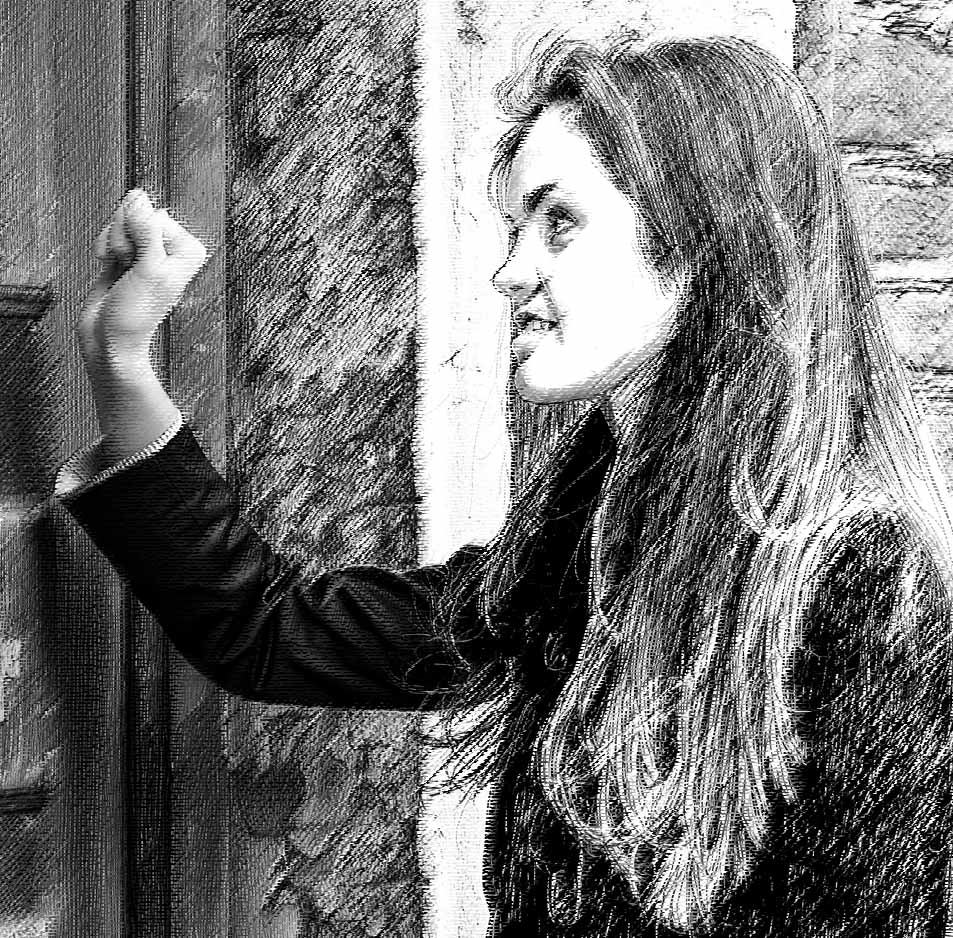
Bussare, mandare via, cacciare via, accogliere:
quattro verbi, quattro scelte
Knock, send away, chase away, welcome:
four verbs, four choices
In Italian, bussare alla porta isn’t just a physical action — it’s often a metaphor. Something knocks when it asks for attention, time, or listening.
Bussare (a) → To knock — to ask to enter, literally or emotionally.
Qualcosa sta bussando alla tua porta.
Mandare via → To send someone away politely or neutrally.
Li ha mandati via senza spiegazioni.
Cacciare via → To chase someone away harshly.
Li ha cacciati via senza nemmeno ascoltarli.
Accogliere → To welcome, making space, not just opening a door.
Accogliere qualcuno significa fare posto, non solo aprire una porta.
La lingua italiana ci ricorda che ogni porta è una scelta: possiamo ignorare chi bussa, mandare via chi disturba, cacciare via ciò che ci infastidisce… oppure accogliere ciò che potrebbe cambiarci la vita.
The Italian language reminds us that every door is a choice: we can ignore who knocks, send away what disturbs us, chase off what annoys us… or welcome what could change our lives.
Another Matta Tip: If you’d like to print or create a PDF of this post you can easily do so using the Chrome Browser Extension —-> GoFullPage! It works beautifully!