| |

Commissario Ricciardi Fan Fiction “Matta” Epilogue


Il finale che non c’era… e quello che ho scritto io

The Ending That Wasn’t… and the One I Wrote Myself

Un anno con Ricciardi
A Year with Ricciardi

Per quasi un anno mi sono lasciata conquistare dal mondo del Commissario Ricciardi, un personaggio di fiction creato da Maurizio de Giovanni. Nel corso dei quindici romanzi ho seguito i percorsi di tutti i personaggi, ho vissuto i loro traumi, i loro desideri e i loro dolori. Ho osservato la loro crescita emotiva e il modo in cui sono cambiati nel tempo.

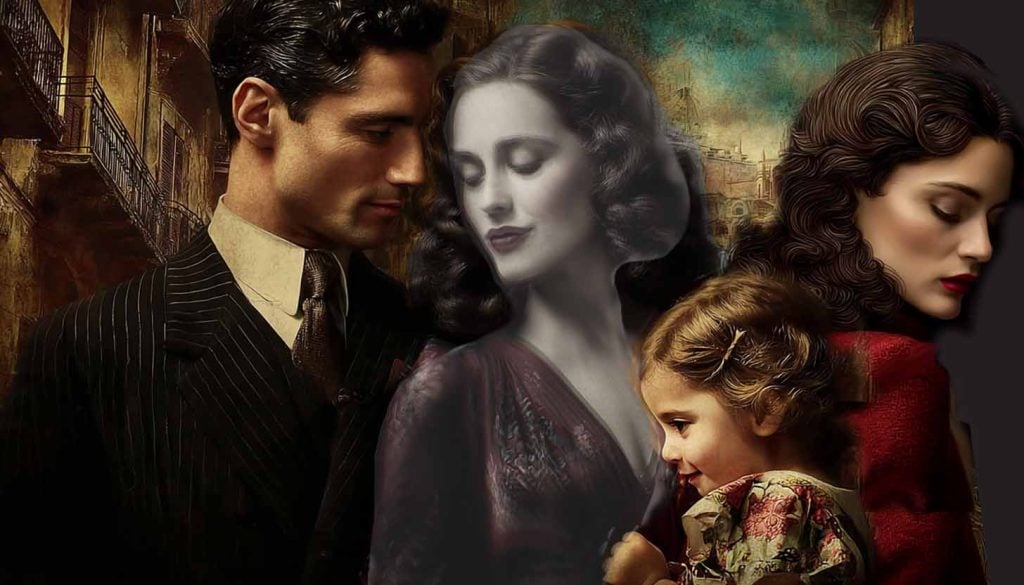
For nearly a year, I let myself be swept away by the world of Commissario Ricciardi, a fictional character created by Maurizio de Giovanni. Over the course of fifteen novels, I followed the journeys of each character, living through their traumas, desires, and sorrows. I watched their emotional growth and how they changed over time.
Tra pagina e schermo
Between Page and Screen

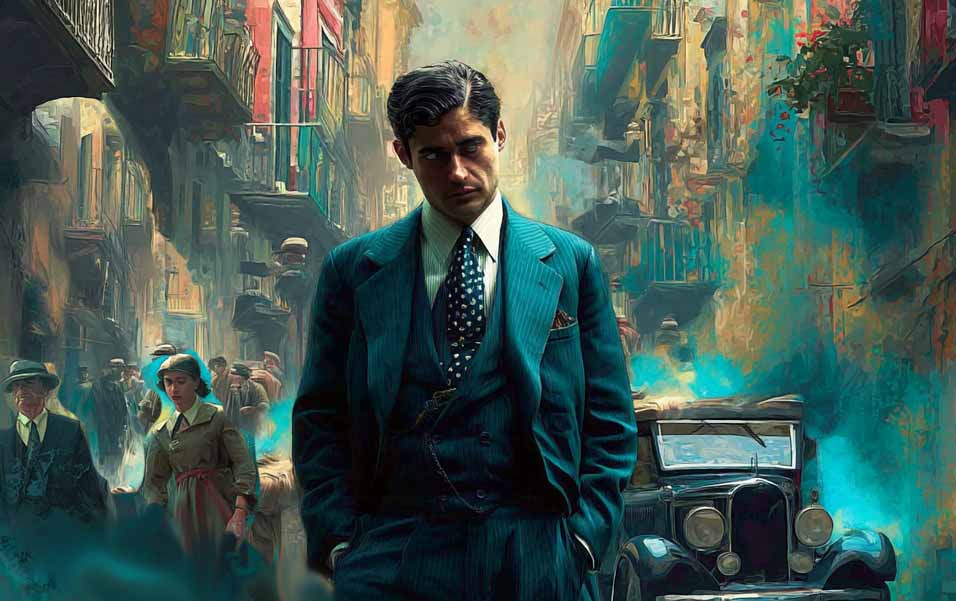
Ho anche guardato la serie su RAIPlay e il suo adattamento televisivo. Eppure, per quanto abbia apprezzato gli attori, i costumi e la scenografia, continuo a tornare ai romanzi: sono il modo più autentico per immergersi nella storia di Ricciardi, tra le sfumature poetiche di Napoli e i dialoghi interiori che nessuna versione filmica riesce davvero a restituire.

I also watched the series on RAIPlay and its television adaptation. And yet, as much as I appreciated the actors, costumes, and set design, I keep returning to the novels. They are the most authentic way to immerse yourself in Ricciardi’s story, among the poetic nuances of Naples and the inner dialogues no screen version can truly capture.
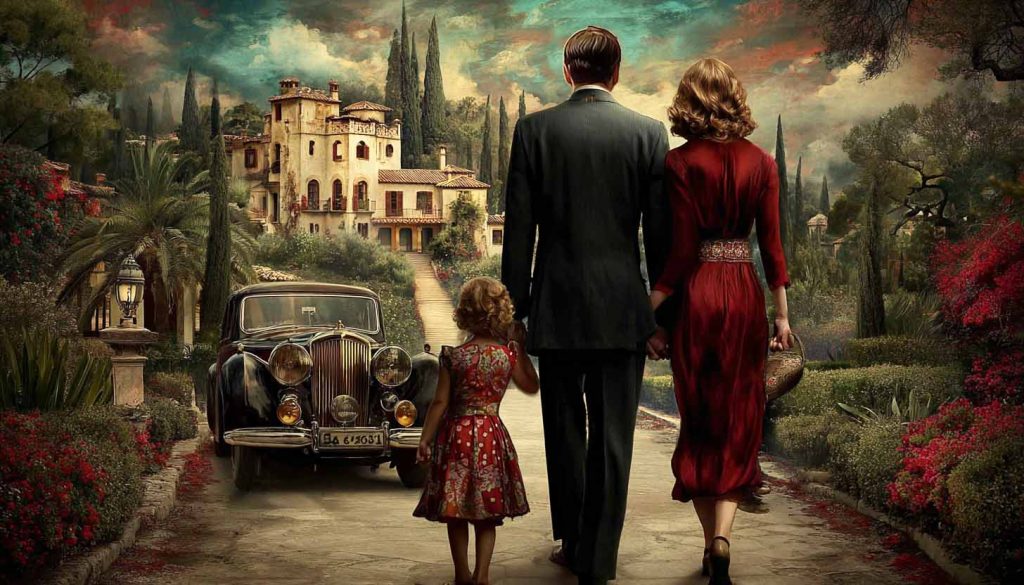
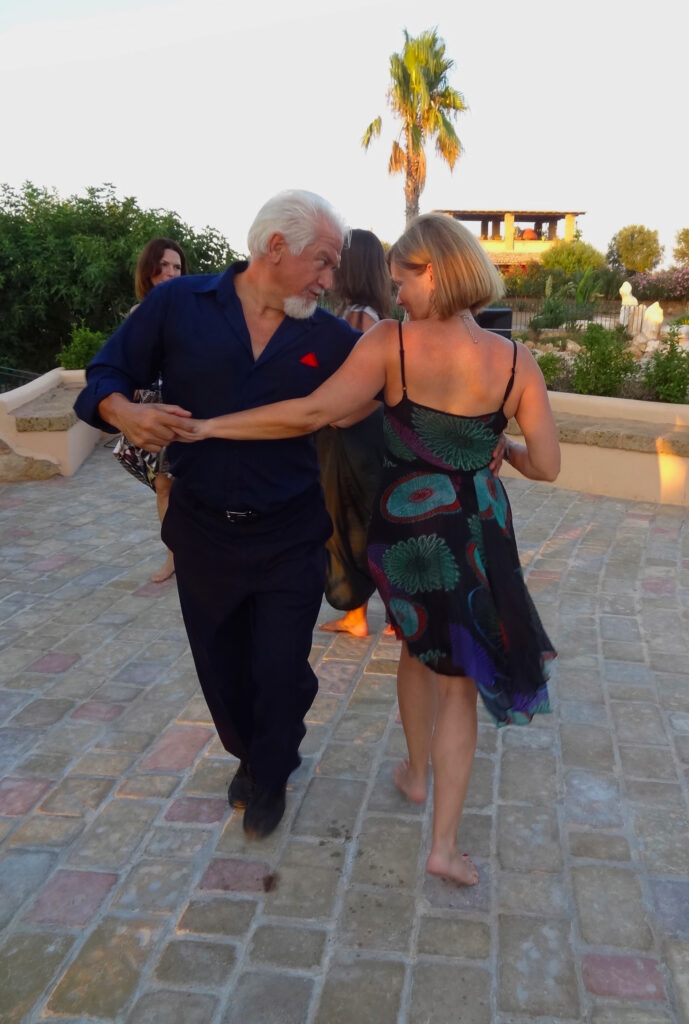
Il Matta Book Club ha invitato anche Ricciardi e i suoi fantasmi!
The Matta Book Club invited Ricciardi and his ghosts as well!

Ero così affascinata da questi romanzi che ho scelto il primo, Il senso del dolore, per i Matta Book Club dell’autunno 2025. Una volta terminato, i miei lettori chiedevano già di più ed erano impazienti di continuare con la serie. Sono stata felice di accontentarli, così ho organizzato i Matta Book Club invernali e primaverili, durante i quali abbiamo letto La condanna del sangue e Il posto di ognuno. Per saperne di più, puoi seguire i link qui sotto oppure unirti a me per un book club individuale.

I was so captivated by these novels that I chose the first, Il senso del dolore, for the 2025 Matta Fall Book Clubs. Once my readers finished it, they were already asking for more and eager to continue with the series. I was delighted to oblige, so I introduced Winter and Spring Matta Book Clubs in which we read La condanna del sangue and Il posto di ognuno. To learn more, you can follow the links below or join me for a one-to-one book club.
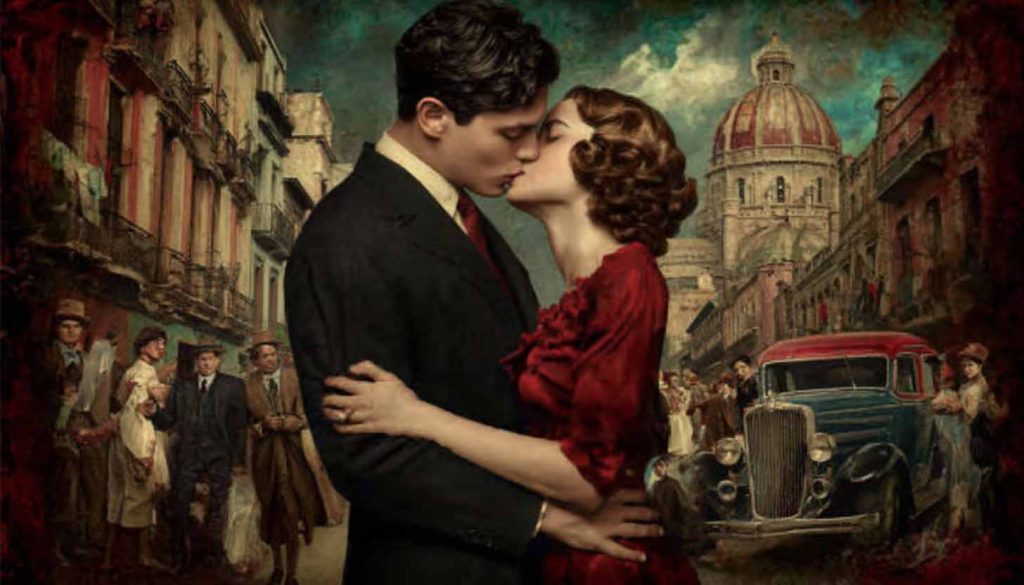
Learn More about Matta Group and private Matta bookclubs

La fine che non basta. Le domande lasciate in sospeso.
An Ending That Isn’t Enough. Questions Left Hanging.

Anche dopo tutti questi mesi, continuo a sentirmi profondamente legata a questa storia. Finire l’ultima pagina di Volver, il quindicesimo romanzo, è stato un po’ come dire addio a degli amici. Ma de Giovanni, fedele al suo stile, lascia il finale aperto, affidando il futuro dei suoi personaggi all’immaginazione del lettore. Rimane così tanto in sospeso che mi sono ritrovata a voler dare una forma più chiara a ciò che potrebbe accadere dopo.

Even after all these months, I still feel deeply connected to this story. Finishing the final page of Volver, the fifteenth novel, felt a little like saying goodbye to friends. But de Giovanni, true to form, leaves the ending open, entrusting the future of his characters to the reader’s imagination. So much remains unresolved that I found myself wanting to give clearer shape to what might come next.

Livia ritorna… e poi?
Livia Returns… and Then?

Pensiamo, ad esempio, a Livia: negli ultimi paragrafi ritorna dall’estero dopo anni di assenza, decisa a riconquistare Ricciardi. Eppure, nel frattempo, sono successe troppe cose: una guerra, un matrimonio, la nascita di una bambina. Viene naturale domandarsi che cosa accadrà davvero tra loro, come si svolgerà il loro incontro e quali parole si scambieranno dopo tanto tempo. Questo, però, de Giovanni sceglie di non dircelo.

Take Livia, for example: in the final paragraphs, she returns from abroad after years away, determined to win Ricciardi back. And yet, in the meantime, too much has happened: a war, a marriage, the birth of a child. It’s only natural to wonder what will truly happen between them, how their meeting will unfold, and what words they will exchange after so long. But this, de Giovanni chooses not to tell us.

La magia (e la tortura) dell’incertezza
The Magic (and Torment) of Uncertainty

Eppure, forse è proprio questa la magia della letteratura, e anche ciò che rende questa storia insieme affascinante e snervante: quel margine d’incertezza che resta. L’arte ci lascia uno spazio aperto, una stanza silenziosa in cui possiamo continuare a immaginare il seguito. Ognuno di noi può costruire la propria conclusione, intrecciandola con le proprie esperienze, i propri desideri e la propria sensibilità.

And yet, perhaps this is precisely the magic of literature, and what makes this story both captivating and maddening: that margin of uncertainty that remains. Art leaves us an open space, a quiet room where we can continue imagining what comes next. Each of us can build our own ending, weaving it together with our experiences, desires, and sensitivities.

Per quanto mi riguarda, dalle briciole lasciate da de Giovanni affiora una sola conclusione possibile: non ci sarà una lieta fine per Livia e Ricciardi. Livia resta fedele a se stessa, un po’ febbrile e visionaria, ostinata a vedere il mondo come desidera, senza confrontarsi a fondo con i sentimenti altrui. Ricciardi, invece, non è più lo stesso uomo. È cambiato, si è fatto più sereno, e il suo mondo ormai appartiene all’amore per Enrica e per la loro figlia. Non resta più posto né per il passato né per Livia.

As far as I am concerned, from the crumbs left by de Giovanni, only one conclusion emerges: there will be no happy ending for Livia and Ricciardi. Livia remains true to herself, somewhat feverish and visionary, stubbornly seeing the world as she wishes, without fully confronting others’ feelings. Ricciardi, however, is no longer the same man. He has changed, grown more peaceful, and his world now belongs to his love for Enrica and their daughter. There is no longer space for the past or for Livia.

Quando il lettore diventa scrittore
When the Reader Becomes the Writer

Quando si entra nel mondo della Napoli degli anni Trenta e nella vita di Ricciardi creato da de Giovanni, è difficile uscirne. Dopo l’ultima pagina, non resta che ricominciare da capo, per tornare ancora una volta in quel mondo fatto di fantasmi, amore e di una Napoli viva in tutti i suoi colori… oppure, per una scrittrice come me, prendere carta e penna e dare vita al finale in cui voglio credere.

Once you step into 1930s Naples and into Ricciardi’s life, it is difficult to leave. After the final page, all that remains is to begin again, to return to that world of ghosts, love, and a Naples alive in all its colors… or, for a writer like me, to take pen and paper and bring to life the ending I choose to believe in.

Così, qualche settimana fa, ho scritto un piccolo pezzo di fan fiction: l’epilogo che immagino per Ricciardi, quello che, secondo me, merita davvero. E ho deciso di condividerlo qui, sul Matta Blog. Io non vedo i fantasmi come lui… o forse sì, ma solo quelli italiani. In fondo, sì, sono matta davvero, proprio come lui.

So, a few weeks ago, I wrote a small piece of fan fiction: the epilogue I imagine for Ricciardi, the one I believe he truly deserves. And I decided to share it here on the Matta Blog. I don’t see ghosts the way he does… or maybe I do, but only the Italian ones. In the end, yes, I really am matta, just like him.

E ora ti lascio entrare nel mio finale… buona lettura, e attenta ai fantasmi.
And now I invite you into my ending… and watch out for ghosts.

La cappella della famiglia Malemonte era nascosta in un boschetto ai confini della baronia. Nonostante il caldo del tardo pomeriggio, all’interno era fresca e silenziosa. L’aria conservava il profumo della cera delle candele e della pietra antica e, negli angoli in penombra, i propri cari venivano custoditi nella memoria, amati e ricordati.
 
Tanino o’Saracino era lì fin da quando il sole era ancora alto, intento a eseguire le istruzioni di Nelide come facevano tutti. Quando Nelide faceva una richiesta, nessuno la scambiava per un suggerimento. L’aveva imparato anni prima a Napoli, la prima volta che aveva incontrato la minuta e tenace governante di Ricciardi. Ora era di nuovo nel suo elemento, nel Cilento, circondata dalla famiglia e da persone che parlavano la sua lingua, e non a caso la chiamavano ’o comandante.

Aveva sostituito le candele una a una, raddrizzato i banchi e, adesso, spazzava l’ingresso e i gradini con una scopa di ramoscelli legati insieme. Lavorava con una serietà ostinata e concentrata—quella che un uomo porta nel gesto quando sta cercando di guadagnarsi un posto… e di tenerselo. 

Tra sé e sé ripeté il proverbio che Nelide gli aveva lanciato poco prima—mezzo rimprovero e mezzo benedizione—con quella sua schietta saggezza cilentana: «Ogne dumineca spazzo ’o tterrazzo… pe’ ’o ffà stà pulito.» Non capiva ogni parola del dialetto, ma ne aveva colto il senso: «Ogni domenica spazzo il pavimento di casa per tenerlo pulito.» Un bel pensiero, si disse mentre lavorava—uno di quelli che, anche solo per un momento, fanno sembrare il mondo in ordine, nonostante il disagio e la confusione che turbinavano tutt’intorno a loro.
 
Quando sentì la voce di un uomo, Tanino si bloccò. La scopa rimase sospesa a mezz’aria sopra la pietra mentre lui tendeva l’orecchio—non per curiosità, ma con la cautela di chi capisce d’essersi imbattuto in qualcosa di privato. Preso dal suo andirivieni, non si era accorto che qualcuno fosse entrato nella cappella.
 
Tanino fece un passo cauto verso l’uscio e sbirciò dallo spiraglio della porta socchiusa. Dentro, davanti a una tomba semplice di marmo bianco incassata nel muro, scorse l’uomo—il barone di Malemonte. Lo vide alzare la mano e, con le dita, seguire le lettere del nome della donna inciso nella pietra, come se quel gesto potesse richiamarla o almeno riportarla da lui per un istante.
 
Da lì, la voce dell’uomo si fece più chiara: calma e controllata, ma ferma. Ogni parola veniva dal cuore, detta con ferma convinzione. La luce era scarsa eppure l’ex commissario Ricciardi—che Tanino aveva conosciuto in un’altra vita, a Napoli—si muoveva come un uomo abituato a tenere il dolore sotto controllo. Il capo era appena chino e parlava alla pietra come se davanti a lui ci fosse qualcuno, così vicino da potergli rispondere. Tanino non riusciva a scorgere gli occhi, quei suoi strani occhi verdi, ma udì le parole, e quello bastò.
 
«Tu sei il mio unico e grande amore», disse Ricciardi, semplicemente. «Mi hai riportato indietro dalla morte, e adesso ti tengo viva nel cuore. Non sarò mai senza di te. Non dimenticherò mai noi. A presto, amore mio.»
 
A Tanino si chiuse la gola. Non era tipo da poesia, ma quelle parole gli bruciavano comunque. E, per quanto ci fosse distanza tra un barone e un uomo con una scopa, capì cosa voleva dire perdere l’amore—o pensare di averlo perso—e poi scoprire che certe cose non si sostituiscono mai, neppure con la migliore alternativa.
 
Abbassò lo sguardo e spazzò via l’ultima foglia aggrappata allo scalino. Poi mise da parte la scopa con cura, senza far rumore, e si sistemò il sacchetto sulla spalla, pronto a sbrigare l’ultima commissione di Nelide per quel giorno: una fermata in paese per comprare olio per le lampade e stoppini nuovi, e qualche bobina di filo con un pacchetto di aghi—perché, a sentir lei, non si trovavano mai quelli giusti quando servivano davvero.
 
O’Saracino—quel bel ragazzo che solo l’amore poteva spingere a innamorarsi di una ragazza bassa e tosta, che l’aveva seguito da Napoli a Fortino—era stato pronto a fare ben di più per lei. Perciò una camminata di mezz’ora fino al paese non era nulla. Con Nelide in testa, la strada gli sembrò ancora più breve. Attraversò il cortile, passò dal cancello principale e sorrise all’idea di riportarle un cestino di limoni, scelti con cura come solo un’ex fruttivendola sapeva fare.
 
Quando arrivò sulla strada, stava canticchiando e poco dopo cominciò a cantare a voce alta.
 
Non era andato lontano quando, all’orizzonte delle montagne, apparve qualcosa di insolito: un’automobile. Non una carrozza, non un carretto, neppure un vecchio camion malconcio carico di legna. Era una berlina polverosa, costosa, che avanzava lentamente, quasi strisciando. In un paese dove la gente si spostava a piedi o dietro un cavallo, un’auto così sembrava decisamente fuori posto.
 
L’auto si fermò con un scricchiolio di ghiaia, sollevando una nuvola di polvere che avvolse Tanino e gli rimase addosso. L’autista si sporse dal finestrino, il volto teso in un’espressione irritata. «Cristo santo—» disse, poi si trattenne subito, lanciando un’occhiata oltre la spalla e rallentando le parole, come se quella sbagliata potesse metterlo nei guai.
 
Ci riprovò, con cautela. «Siamo in ritardo. Ci sono stati degli intoppi—prima una gomma a terra, poi una svolta sbagliata. Un uomo in paese mi ha detto di prendere questa strada…» Allungò una mano, quasi inerme. Poi, con gentilezza forzata, concluse: «Insomma, stiamo cercando il castello—dove vive il barone di Malemonte. Siamo vicini? Potete darci le indicazioni giuste?»
 
Tanino fece un passo avanti. Dal finestrino aperto intravide una donna sul sedile posteriore: elegante, vestita con cura, inconfondibilmente di città. Sembrava una visione—come se stesse andando a un tè da una regina, non sobbalzando lungo una strada ruvida di campagna. Una sigaretta le restava tra le dita lunghe, le unghie smaltate di un rosso brillante.
 
La donna lo fissò per un attimo, gli accennò un sorriso pallido e esasperato, poi distolse lo sguardo verso il paesaggio. Espirò lentamente una nuvola di fumo e gettò la sigaretta fuori dal finestrino con un gesto secco, impaziente. La brace disegnò un arco breve e svanì nel nulla.
 
Appena l’alone di polvere e di fumo svanì, l’attenzione della donna scivolò in avanti, oltre il parabrezza, e seguì la strada alle spalle di Tanino finché non si posò sul cancello di pietra di una tenuta di campagna. Poi, come se fosse stato convocato, un uomo alto, senza cappello uscì dall’ombra degli archi. Si fermò sul ciglio della strada. Sembrava rilassato: alzò il viso verso il sole, poi rivolse lo sguardo a scrutare l’orizzonte, come se stesse aspettando qualcuno.
 
Anche da lontano, il profilo di quell’uomo la fece raddrizzare. Le linee nette del naso, il modo in cui teneva la bocca, quei tratti inconfondibili—li riconobbe all’istante. Il fiato le si spezzò quando, finalmente, lui si voltò a guardare nella sua direzione.
 
Quando Ricciardi si accorse dell’auto nera accostata lungo la strada, il suo atteggiamento cambiò all’istante. Le spalle gli si irrigidirono, lo sguardo si fece più tagliente, e rimase immobile con l’autocontrollo addestrato di un uomo che ha imparato a prepararsi a un incontro prima ancora di sapere se sarà ben accolto. Non si mosse. Semplicemente, aspettò.
 
Aspetta per me, pensò Livia, e l’idea le montò dentro con un caldo impeto di speranza e attesa. Allora non era venuta invano. Il lungo viaggio in nave, le svolte sbagliate, il girare a vuoto per le strade di questo dannato paese, le ore perse tra polvere e irritazione—niente era stato uno spreco. Quel sentiero tortuoso, quegli anni d’attesa, alla fine l’avevano condotta da lui.
 
Poi arrivò quel suono, chiaro come una campana, irrefrenabile come coriandoli lanciati in aria: «Papà! Papà! Papà!»
 
A quel richiamo vivace e insistente, sia Livia sia Ricciardi voltarono il capo. Livia vide una bambina—sei, forse sette anni—che correva giù per la strada, senza fiato per la felicità, seguita da una donna alta, snella, vestita in modo semplice, da campagna. La donna portava un cappello di paglia a tesa larga, calato per ripararsi dal sole del tardo pomeriggio. La donna avanzava a passo svelto, con la sicurezza naturale di chi appartiene a quelle colline e a quei campi.
 
Livia guardò mentre la bambina attraversava di corsa la strada e si gettava tra le braccia aperte di Ricciardi. Lui la sollevò e la fece volteggiare appena—una, due volte—poi la riprese con naturalezza e se la strinse al petto. La piccola strillò dalla gioia e gli tempestò la guancia di baci. Ricciardi la tenne lì, cullandola in un abbraccio tenero; e quel gesto semplice, così intimo, accese in Livia un dolore sordo, risvegliando il vecchio desiderio—familiare—di sentire di nuovo il suo tocco.
 
Livia perse il filo dei pensieri quando la donna alta li raggiunse. Disse qualcosa che Livia non riuscì a sentire e Livia osservò—sorpresa, un po’ spiazzata—mentre quelle parole strappavano a Ricciardi una risata sonora: breve, genuina, luminosa. Poi lui posò una mano sulla parte bassa della schiena della donna e la guidò con una naturalezza che non richiedeva spiegazioni. Per Livia, la sua auto avrebbe potuto anche non esistere. Il piccolo gruppo attraversò il cancello ed entrò nei terreni ombreggiati della tenuta, sparendo alla vista senza voltarsi indietro.
 
Tanino, notando lo sguardo fisso della donna, disse con gentilezza: «Signora, non si è persa. È questo il posto.» Fece un cenno lungo la strada, verso il cancello. «Quello è il barone… e quella è la baronessa di Malemonte.»
 
Si raddrizzò, lanciò un’occhiata ai cancelli di pietra e lasciò sfuggire un piccolo sospiro. Con un tono a metà tra l’ammirazione e l’incredulità disse: «Non ho mai visto un uomo così innamorato di sua moglie e di sua figlia.»
 
Prima che Livia potesse rispondere, il bel ragazzo cominciò a raccontarle la sua storia—che tra poco si sarebbe sposato, proprio lì, dentro i cancelli della baronia. Le parole gli uscivano di getto, luminose e sincere. Ma Livia lo ascoltava a stento. Qualcosa dentro di lei si era fermato. All’improvviso si sentì fuori posto nel paese in cui era nata. Più straniera fra quelle montagne del Cilento, davanti a quel cancello, dopo quella risata allegra a cui aveva appena assistito, di quanto si fosse mai sentita oltre l’oceano, in Argentina.
 
Fantasmi. Per tutto quel tempo li aveva inseguiti—no, in realtà ne aveva inseguito uno solo: non un uomo, ma l’idea di lui. E quel fantasma non le aveva mai mentito. Fin dall’inizio le aveva ripetuto la stessa, semplice verità: il suo cuore era sempre appartenuto a qualcun’altra.
 
Mentre la luce calava—e con le commissioni di Nelide ancora da sbrigare—Tanino si inclinò il berretto in segno di saluto, le rivolse un addio rapido e gentile e si avviò verso il paese.
 
L’autista mise in moto e avanzò lentamente, poi frenò di colpo davanti al cancello. «Eccoci, signora», disse, e restò in attesa dei suoi ordini.
 
Livia girò il capo e scrutò oltre la barriera. Intravide l’uomo e la donna che camminavano verso la villa, e la bambina che se ne stava sulle spalle del padre. Fu scossa da un brivido improvviso. Come se le avessero tolto un velo dagli occhi, vide le cose per come stavano davvero, senza più spazio per la speranza. Ricciardi, finalmente, era a suo agio. Non aveva l’aria composta che Livia ricordava: non l’attenzione educata, non la gentilezza misurata di un uomo che fa il proprio dovere, che fa ciò che ci si aspetta da lui.
 
Erano state la donna e la bambina—e la tenerezza inconfondibile di Ricciardi verso di loro—a riportarla bruscamente alla realtà. Le sue difese si abbassarono e quell’impulso familiare a spingersi avanti, a lottare per un posto nel mondo di Ricciardi, semplicemente si spense. Livia si era sempre giurata che non avrebbe mai messo piede nella vita di famiglia di un’altra donna. Era stata ferita troppe volte da chi tratteneva l’amore come se fosse qualcosa da prendere e poi tenere per sé, senza curarsi dei sentimenti altrui.
 
Dall’altra parte della strada, in lontananza, Livia sentì Tanino che aveva ricominciato a cantare. Era una vecchia melodia di Napoli, una canzone che parlava di un amore ardente che dura—quella che anche lei, un tempo, aveva provato a intonare quando credeva ancora di poter piegare il destino con la sola volontà.
 
Mentre la canzone si faceva sempre più fievole, oltre quel cancello vedeva una famiglia viva, piena di futuro. Erano uniti, tenuti insieme da legami che non avevano bisogno di spiegazioni—qualcosa da proteggere, non da turbare. Con un rimorso amaro ripensò a quante volte aveva provato a spingersi oltre i limiti di Ricciardi—disperata, insistente—per farsi spazio nella sua vita. Ma per lei quel cancello non si era mai davvero aperto: la verità era sempre stata lì, fin dall’inizio. Lui non sarebbe mai diventato la sua casa—il suo porto sicuro.
 
Accese un’altra sigaretta e tenne gli occhi fissi oltre il cancello. Solo la mano si mosse: un gesto breve, quasi distratto, verso la strada—dove Tanino si stava allontanando. «No. Quell’uomo lì… era sbagliato. Questo non è il posto giusto.»
 
L’autista incrociò il suo sguardo nello specchietto, incerto. Livia abbassò gli occhi e, quando parlò di nuovo, la voce si era addolcita. «Mi dispiace, ma ho cambiato idea. Di colpo ho capito che la vita bucolica non fa per me… la lascio a qualcun’altra.»
 
Senza guardarlo, fece un cenno verso la strada. «Continui a guidare.»
 
«Ma, signora… dove andiamo?»
 
Livia aspirò il fumo e lasciò che i pensieri scendessero lenti. E adesso? Lì non c’era più niente da reclamare: nessuna famiglia, nessuna casa, nessun “ritorno” possibile. Restava Facundo, il suo giovane amante dall’altra parte dell’oceano, con quella promessa sospesa tra loro: se in Italia non avesse trovato ciò che cercava, sarebbe tornata. Povero Facundo. Una storia di passaggio, una distrazione da quegli occhi verdi, forse. Ma nemmeno lui era il suo destino.
 
Poi le tornò in mente la valigia. La fortuna in dollari statunitensi che Facundo aveva nascosto lì dentro prima della partenza. No—quella non poteva sprecarla. Se non poteva portarsi via l’amore, almeno non sarebbe ripartita a mani vuote.
 
Dopo un lungo silenzio rispose, più per sé che per lui: «America. Vado in America… a New York… dove c’è ancora musica da cantare.» Poi si sistemò contro lo schienale, continuò a fumare e cercò di sostituire un vecchio sogno con un nuovo piano.
 
Mentre la berlina scompariva alla vista, l’ultima luce del sole al tramonto colpì una finestra della villa e per un istante la fece brillare—chiara e familiare—come un piccolo riflesso su un paio di occhiali amati. Un vento caldo si alzò e passò tra gli alberi con un fruscio lieve, poi girò intorno al palazzo, come ad abbracciare chi era lì dentro.
 
In quel breve silenzio, quando il mondo sembrò trattenere il fiato in equilibrio tra luce e buio, l’aria della sera sussurrò e—quasi fosse una benedizione—sospirò: «Buonanotte, amore mio.»


The Malemonte family chapel lay hidden in a small grove at the edge of the barony. Despite the late-afternoon heat, it was cool and hushed inside. The air held the scent of candle wax and ancient stone, and in the shadowed corners loved ones were kept alive in memory—cherished and remembered.
 
Tanino o’Saracino had been there since the sun was still high, carrying out Nelide’s instructions the way everyone did. When Nelide made a request, no one mistook it for a suggestion. He had learned that years ago in Naples, the first time he met Ricciardi’s short, tenacious caretaker. Now she was back in her element in Cilento, surrounded by family and people who spoke her language, and no one called her ’o comandante for nothing.
 
He had replaced the candles one by one, straightened the pews, and now he was sweeping the entryway and the steps with a broom of bound twigs. He worked with a stubborn, concentrated seriousness—the kind a man brings to the task when he’s trying to earn his place… and keep it.
 
Under his breath he repeated the proverb Nelide had tossed at him a little earlier—half scolding, half blessing—in that blunt Cilentan wisdom of hers: “Ogne dumineca spazzo ’o tterrazzo… pe’ ’o ffà stà pulito.” He didn’t understand every word of her dialect, but he’d caught the wisdom of the meaning: “Every Sunday I sweep the floor at home to keep it clean.” A good thought, he told himself as he worked—one of those that, if only for a moment, makes the world seem in order, despite the unease and confusion swirling all around them.
 
When he heard a man’s voice, Tanino froze. The broom hung in midair above the stone as he listened—not out of curiosity, but with the wary attention you give when you realize you’ve stumbled into something private. Busy with his errands back and forth, he hadn’t even noticed anyone had entered the chapel.
 
Tanino took a cautious step toward the door and peeked through the narrow gap of the half-open door. Inside, before a simple white marble tomb set into the wall, he spotted the man—the Baron of Malemonte. He watched him lift his hand and, with his fingers, trace the letters of the woman’s name carved into the stone, as if the gesture might summon her back, or at least bring her to him for a moment.
 
From there, the man’s voice became clearer: calm and controlled, but firm. Each word came from the heart, spoken with steadfast conviction. The light was dim, but the former Inspector Ricciardi—whom Tanino had known in another life, in Naples—moved like a man used to keeping grief under control. His head was slightly bowed, and he spoke to the stone as if someone stood right in front of him, close enough to answer. Tanino couldn’t see his eyes—those strange green eyes of his—but he heard the words, and that was enough.
 
“You are my one great love,” Ricciardi said simply. “You brought me back from the dead, and now I keep you alive in my heart. I’ll never be without you. I will never forget us. We’ll be together soon, my love.”
 
Tanino’s throat tightened. He wasn’t the poetic sort, but the words burned anyway. And for all the distance between a baron and a man with a broom, he understood what it meant to lose love—or to think you’d lost it—and then realize some things can never be replaced, not even with the best alternative.
 
He lowered his gaze and swept away the last leaf clinging to the step. Then he set the broom aside carefully, without a sound, and hitched his sack onto his shoulder, ready to run Nelide’s final errand of the day: a stop in town for lamp oil and fresh wicks, and a few spools of thread with a packet of needles—because, according to her, you could never find the right ones when you truly needed them.
 
O’Saracino—that handsome boy whom only love could have persuaded to fall for a short, tough girl who had followed him all the way from Naples to Fortino—had been willing to do far more for her than this. So a half-hour walk to town was nothing. With Nelide on his mind, the road felt even shorter. He crossed the courtyard, passed through the main gate, and found himself smiling at the thought of bringing her back a basket of lemons, chosen with the care only a former fruit seller would know.
 
When he reached the road he was humming, and soon he was singing out loud.
 
He hadn’t gone far when something unusual appeared against the mountain horizon: an automobile. Not a carriage, not a cart, not even an old battered truck hauling firewood. A dusty, expensive sedan crept forward, almost crawling. In a place where people traveled on foot or behind a horse, a car like that looked utterly out of place.
 
The car stopped with a crunch of gravel, kicking up a cloud of dust that wrapped around Tanino and clung to him. The driver leaned out the open window, his face tight with irritation. “Christo santo—” he blurted, then caught himself at once, flicking a glance over his shoulder and slowing his words, as if the wrong one could get him into trouble.
 
He tried again, more carefully. “We’re late. We’ve had so many problems—first a flat tire, then a wrong turn. A man in town told me to take this road…” He lifted a hand, almost helpless. Then, with forced politeness, he finished, “Anyway—we’re looking for the castle, where the Baron of Malemonte lives. Are we close? Can you give us proper directions?”
 
Tanino stepped closer. Through the open window he glimpsed a woman in the back seat: elegant, carefully dressed, unmistakably from the city. She looked like an apparition—as if she were on her way to tea with a queen, not being jolted along a rough country road. A cigarette rested between her long fingers, her nails lacquered a vivid red.
 
She stared at him for a moment, offered a pale, exasperated smile, then turned her gaze to the landscape. She exhaled a slow plume of smoke and flicked the cigarette out the window with a sharp, impatient motion. The ember traced a brief arc and vanished.
 
As the haze of dust and smoke drifted away, her attention slid forward, past the windshield, and followed the road behind Tanino until it settled on the stone gate of a country estate. Then, as if summoned, a tall man stepped out from the shadow of the arches. He seemed relaxed: he lifted his face toward the sun, then turned his gaze to scan the horizon, as if he were waiting for someone.
 
Even from a distance, the outline of his profile made her straighten. The clean line of his nose, the set of his mouth—those unmistakable features, she recognized them instantly. Her breath caught when at last he turned and looked in her direction.
 
The moment Ricciardi noticed the black car pulled over on the road, his expression changed. His shoulders stiffened, his gaze sharpened, and he held himself still with the trained self-control of a man who has learned to brace for an encounter before he even knows whether it will be welcomed. He didn’t move. He simply waited.
 
He’s waiting for me, Livia thought, and the idea rose in her with a warm rush of hope and anticipation. So she hadn’t come for nothing. The long voyage by ship, the wrong turns, the endless circling through this damned countryside, the hours lost to dust and irritation—none of it had been wasted. That winding path, those years of waiting, had finally brought her to him.
 
Then the sound came, clear as a bell, unstoppable as confetti flung into the air: “Papà! Papà! Papà!”
 
At that lively, insistent voice, both Livia and Ricciardi turned around. Livia saw a little girl—six, maybe seven—running down the road, breathless with happiness, followed by a tall, slender woman dressed simply for the country. The woman wore a wide-brimmed straw hat pulled low against the late-afternoon sun. The woman walked briskly, with the easy certainty of someone who belonged to those hills and fields.
 
Livia watched as the child dashed across the road and hurled herself into Ricciardi’s open arms. He scooped her up and swung her lightly—once, twice—then caught her with ease and pressed her close. The girl shrieked with joy and covered his cheek with kisses. He held her there, rocking her in a tender embrace, and that simple, intimate gesture sent a sharp pang through Livia, stirring the old, familiar longing to feel his touch again.
 
Livia lost her train of thought as the tall woman reached them. The woman said something Livia couldn’t hear, and Livia watched—startled, a little baffled—as it drew a loud laugh from Ricciardi: brief, genuine, bright. Then he set a hand at the small of the woman’s back and guided her forward with a naturalness that needed no explanation. To Livia, the car might as well not have existed. The little trio passed through the gate into the estate’s shaded grounds and disappeared from view without once looking back.
 
Noticing the woman’s fixed stare, Tanino spoke gently. “Signora, you’re not lost. This is the place.” He nodded toward the gate. “That’s the baron… and that’s the Baroness of Malemonte.” He straightened, glanced at the stone gates, and let out a small sigh. Half admiring, half amazed, he added, “I’ve never seen a man so in love with his wife and daughter.”
 
Before Livia could answer, the handsome boy launched into his own story—how he would soon be married, right here, inside the barony gates. His words tumbled out fast, bright and sincere. But Livia barely listened. Something inside her had stopped. All at once she felt out of place in the country where she’d been born—more foreign among those Cilento mountains, in front of that gate, after the cheerful laugh she’d just witnessed, than she had ever felt across the ocean in Argentina.
 
Ghosts. She’d chased them for so long—no, really, she’d chased only one: not the man himself, but the idea of him. And that ghost had never lied to her. From the beginning it had told her the same simple truth: his heart had always belonged to someone else.
 
As the light began to fade—and with Nelide’s errands still to run—Tanino tipped his cap in farewell, offered a quick, courteous goodbye, and headed toward town.
 
The driver started the engine and rolled forward slowly, then braked hard at the gate. “Here we are, Signora,” he said, waiting for her orders.
 
Livia turned her head and stared through the barrier. She caught sight of the man and the woman walking toward the villa, the child perched on her father’s shoulders. A sudden chill went through her. As if a veil had been lifted from her eyes, she saw things as they truly were, with no room left for hope. Ricciardi—at last—was at ease. Not the composed man she remembered, not the polite attention, not the measured kindness of someone doing his duty, doing what was expected of him.
 
It was the woman and the child—and Ricciardi’s unmistakable tenderness toward them—that snapped her back to herself. Her defenses lowered, and that familiar urge to push forward, to fight for a place in Ricciardi’s world, simply went out. She’d always sworn she would never step into another woman’s family life. She’d been hurt too many times by people who treated love as something you could take and keep for yourself, without caring what it did to anyone else.
 
From far off across the road, Livia heard Tanino singing again. It was an old Naples tune, a song about finding a fierce love that lasts—the very one she, too, had tried to sing once, back when she still believed she could bend fate through sheer will.
 
As the song grew fainter, beyond that gate she saw a family alive with its own future. They were joined by bonds that needed no explanation—something to protect, not to disturb. With a bitter pang, she thought of all the times she had tried to push past Ricciardi’s boundaries—desperate, insistent—trying to make space for herself in his life. But for her, that gate had never truly opened: the truth had been there from the start. He would never have become her home—her safe harbor.
 
She lit another cigarette and kept her eyes fixed beyond the gate. Only her hand moved: a brief, almost absent gesture toward the road, where Tanino was walking away. “No. That man there… was wrong. This isn’t the right place.”
 
The driver caught her gaze in the rearview mirror, uncertain. Livia lowered her eyes, and when she spoke again, her voice had softened. “I’m sorry, but I’ve changed my mind. All at once I realized the pastoral life isn’t for me… I’ll leave it to someone else.”
 
Without looking at him, she nodded toward the road. “Keep driving.”
 
“But, Signora… where are we going?”
 
Livia drew on the cigarette and let her thoughts sink slowly. Now what? There was nothing left to claim here—no family, no home, no possible “return.” There was Facundo, her young lover across the ocean, with that promise hanging between them: if she didn’t find what she was looking for in Italy, she would go back. Poor Facundo. A passing story, a distraction from those green eyes, perhaps. But he wasn’t her destiny either.
 
Then she thought of the suitcase. The fortune in U.S. dollars Facundo had hidden inside it before she left. No—she couldn’t waste that. If she couldn’t carry love away with her, at least she wouldn’t leave empty-handed.
 
After a long silence, she answered, more for herself than for him: “America. I’m going to America… to New York… where there’s still music to sing.” Then she settled back against the seat, kept smoking, and tried to replace one old dream with a new plan.
 
As the sedan disappeared down the road, the last light of the setting sun struck a window of the villa and for an instant made it flare—bright and familiar—like a small glint off a beloved pair of spectacles. A warm breeze rose and moved through the trees with a soft rustle, then drifted around the house, as if wrapping its arms around everyone inside.
 
In that brief hush, when the world seemed to hold its breath balancing between light and dark, the evening air whispered, and—almost like a blessing—it sighed: “Buonanotte, amore mio.”

🇮🇹 Un consiglio dalla Matta 🇮🇹 
Matta Italian Language Tip!

One wonderfully expressive Italian phrase in this post is

lasciare qualcosa in sospeso

It means to leave something unresolved, unfinished, or hanging in the air. Italians use it when a story, a conversation, a relationship, or even a decision is left open instead of neatly tied up with a little literary bow.

Il finale del romanzo lascia tutto in sospeso.
The novel’s ending leaves everything unresolved.

Lasciare una questione in sospeso
To leave a question unresolved

Rimanere in sospeso
To remain hanging / unresolved / up in the air

It’s a lovely phrase because in sospeso suggests something still floating there, not quite settled, like a thought, a feeling, or a ghost that refuses to leave the room.

Another Matta Tip: If you’d like to print or create a PDF of this post you can easily do so using the Chrome Browser Extension —-> GoFullPage! It works beautifully!

Read or listen to the audio book “The Commissario Ricciardi” Series
by Maurizio de Giovanni Italian to improve your Italian.
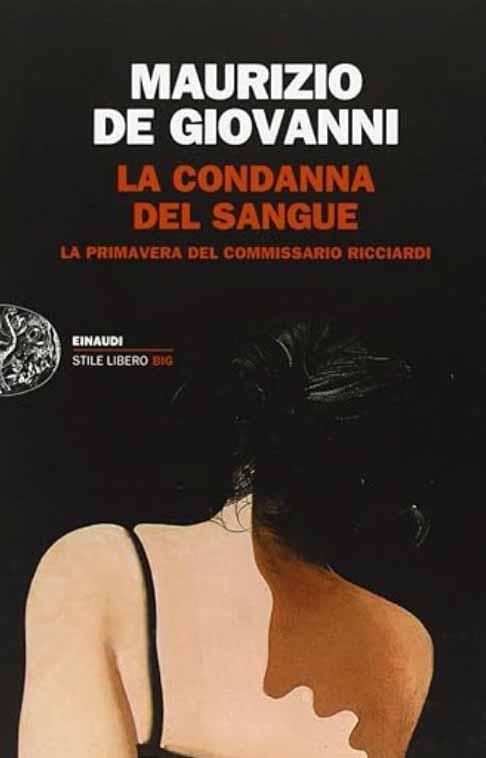
Reading books in Italian immerses you in authentic vocabulary, grammar, and cultural expressions, helping you understand how the language is naturally used. It enhances your comprehension and builds confidence by exposing you to sentence structures and idiomatic phrases in context.

Find more Italian books and learning materials
on the Matta Amazon Page

Join the Matta Italian Book Club! Let’s read books together

Group Book Clubs and Individual Book Clubs Available

Similar Posts

Leave a Reply

Your email address will not be published. Required fields are marked *