Dai colpi al Louvre ai capolavori perduti — quando l’arte e l’italiano si incontrano
From Louvre Heists to Lost Masterpieces — When Art, Mystery, and Italian Meet
Furto lampo al Louvre
Lightning heist at the Louvre
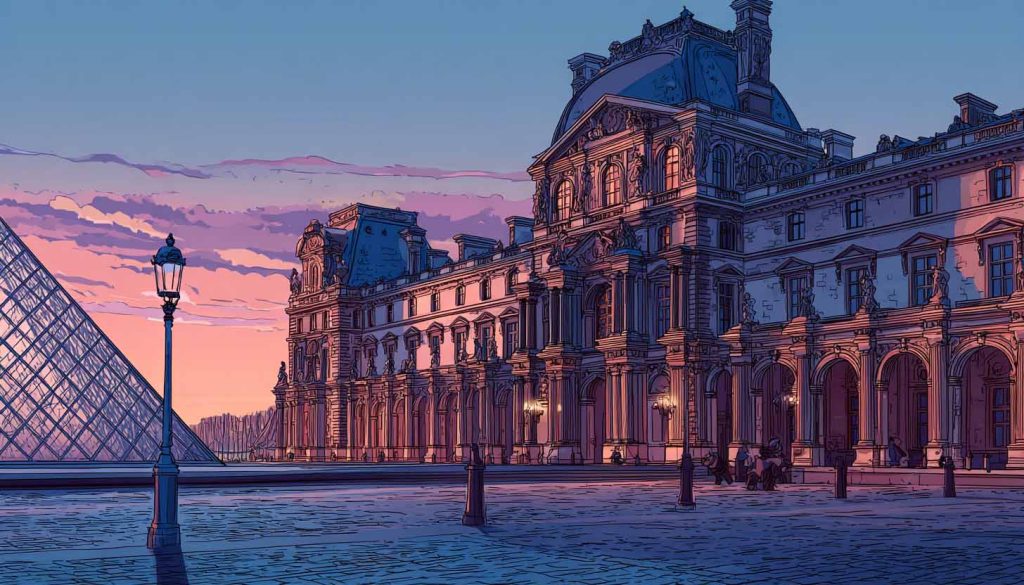
Signore e signori, tenetevi forte: sabato 19 ottobre 2025, quattro ladri audaci sono entrati nel Museo del Louvre a Parigi e hanno messo a segno un colpo rapidissimo, rubando otto preziosi gioielli storici della corona francese in pochi minuti! A quanto pare, i criminali hanno utilizzato attrezzature da cantiere, tra cui una piattaforma elevatrice e strumenti per tagliare il vetro, per raggiungere la Galerie d’Apollon, la splendida sala dove erano esposti i tesori reali. I testimoni affermano che l’intera operazione sia durata meno di sette minuti, eseguita con una precisione quasi cinematografica.
Ladies and gents, hold on tight: on Saturday, October 19, 2025, four daring thieves broke into the Louvre Museum in Paris and carried out a lightning-fast job — stealing eight historic French crown jewels in just a few minutes! They apparently used construction equipment, including a lift platform and glass-cutting tools, to reach the Galerie d’Apollon, the glittering hall where the royal treasures were displayed. Witnesses say the whole operation lasted less than seven minutes, executed with almost cinematic precision.
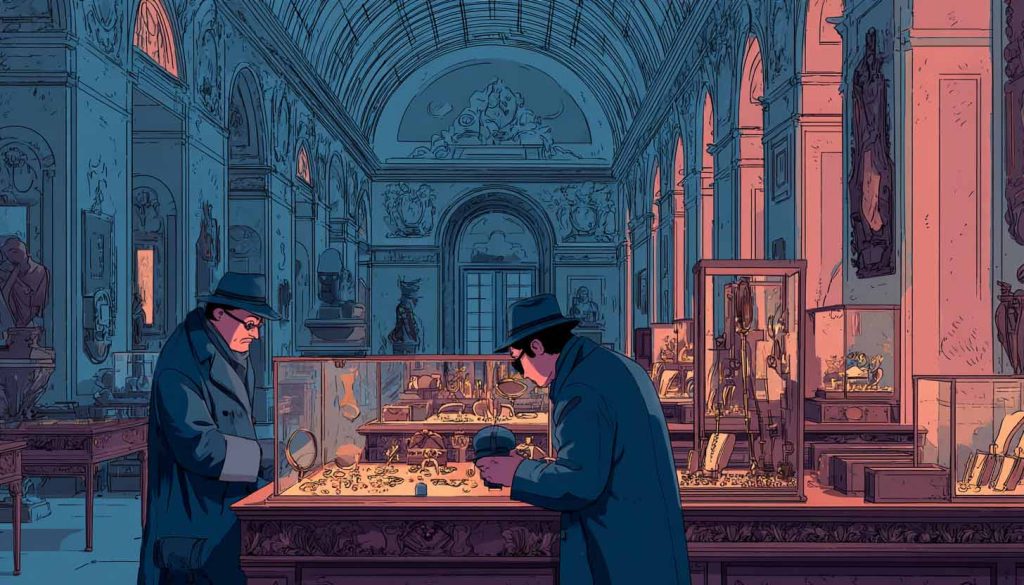
Il museo è stato rapidamente chiuso al pubblico, mentre la polizia e le autorità francesi hanno avviato un’indagine urgente. Il presidente Emmanuel Macron ha definito il furto “un attacco al nostro patrimonio condiviso — alla storia stessa della Francia.”
Finora nessun sospettato è stato arrestato, anche se una parte della collezione rubata sarebbe già stata recuperata. Gli investigatori stanno ora analizzando i filmati di sicurezza e cercando possibili complici interni, in quello che viene già definito uno dei colpi museali più audaci del decennio.
The museum was quickly closed to the public as police and French authorities launched an urgent investigation. President Emmanuel Macron called the theft “an attack on our shared heritage — the story of France itself.” So far, no suspects have been arrested, though part of the stolen collection has reportedly been recovered. Investigators are now examining security footage and possible inside accomplices in what’s being called one of the boldest museum heists of the decade.
Quando l’arte fa notizia
When Art Makes the News
A volte mi sembra che l’arte finisca sulle prime pagine dei giornali solo quando un capolavoro viene venduto per milioni da Sotheby’s o quando viene strappato dal muro di un museo. Ma, diciamoci la verità — a tutti piace un po’ di dramma! Aggiunge una scintilla di emozione ai silenziosi corridoi della storia dell’arte.
Sometimes it seems to me that art only makes the headlines when a masterpiece is sold for millions at Sotheby’s or when it’s snatched from a museum wall. But let’s be honest — we all love a little drama! It adds a spark of excitement to the quiet halls of art history.
E a proposito di furti famosi, facciamo un salto indietro nel tempo fino a uno dei più audaci di tutti — il furto della Mona Lisa. Quel momento indimenticabile ha dimostrato che anche i musei più sorvegliati del mondo non sono immuni da colpi ingegnosi… e offre alla studentessa (o allo studente!) amante dell’arte un sacco di ispirazione per una lezione d’italiano — o magari per inventare un proprio mistero!
And speaking of famous heists, let’s rewind to one of the most daring of them all — the theft of the Mona Lisa. That unforgettable moment proved that even the world’s most guarded museums aren’t immune to bold schemes… and it gives the art-loving Italian student in you plenty of inspiration for a language lesson — or maybe even your own mystery plot!
Quando la Gioconda scomparve
When the Mona Lisa Disappeared
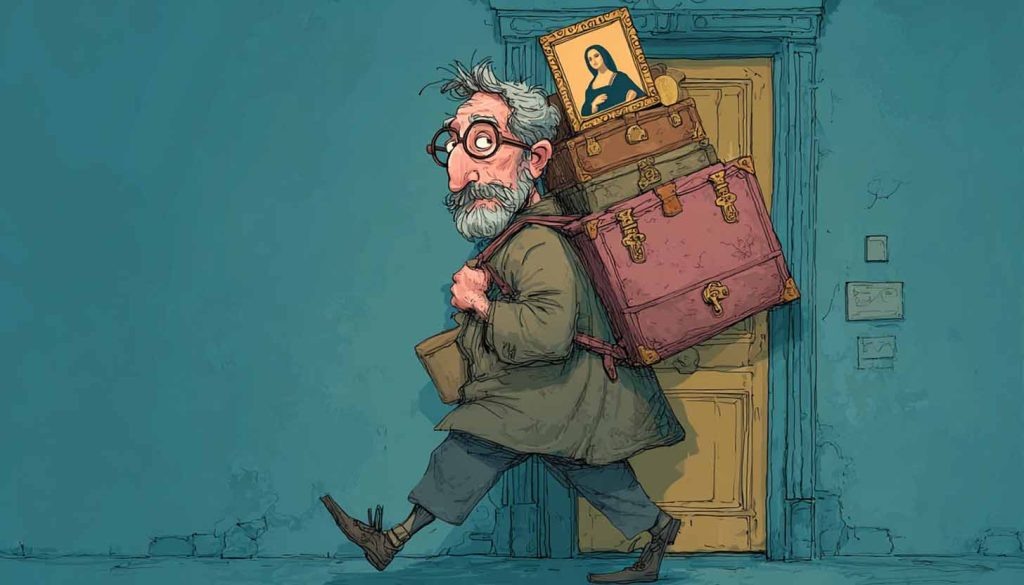
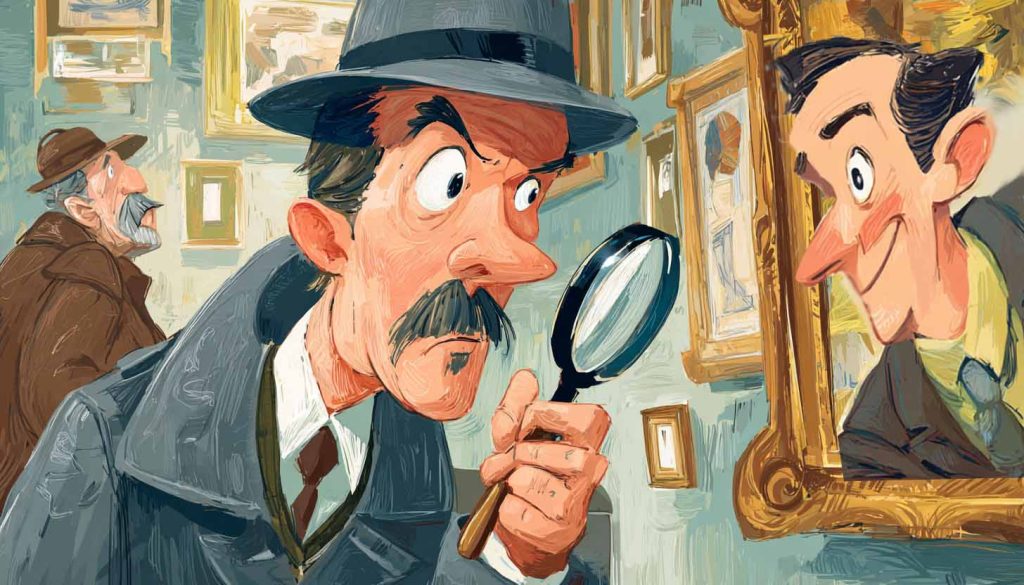
La mattina del 21 agosto 1911, i visitatori rimasero sbalorditi nel vedere la sua cornice vuota appesa al muro. Il dipinto più famoso del mondo era stato rubato e, all’improvviso, tutti i giornali gridavano furto! Il colpevole? Vincenzo Peruggia, un tuttofare italiano che aveva lavorato al museo e ne conosceva bene ogni segreto. Si intrufolò nelle gallerie indossando i suoi abiti da lavoro, si nascose per la notte in uno sgabuzzino, staccò il dipinto dalla cornice, lo infilò sotto il camice bianco e uscì con calma dalla porta.
On the morning of August 21, 1911, visitors were stunned to find her empty frame on the wall. The world’s most famous painting had been stolen, and suddenly every newspaper screamed furto! The culprit? Vincenzo Peruggia, an Italian handyman who had worked at the museum and knew its secrets inside out. He slipped into the galleries in his work clothes, hid overnight in a supply closet, removed the painting from its frame, tucked it under his white smock, and calmly walked out the door.
Il ritorno della Giocanda
The Return of la Giocanda
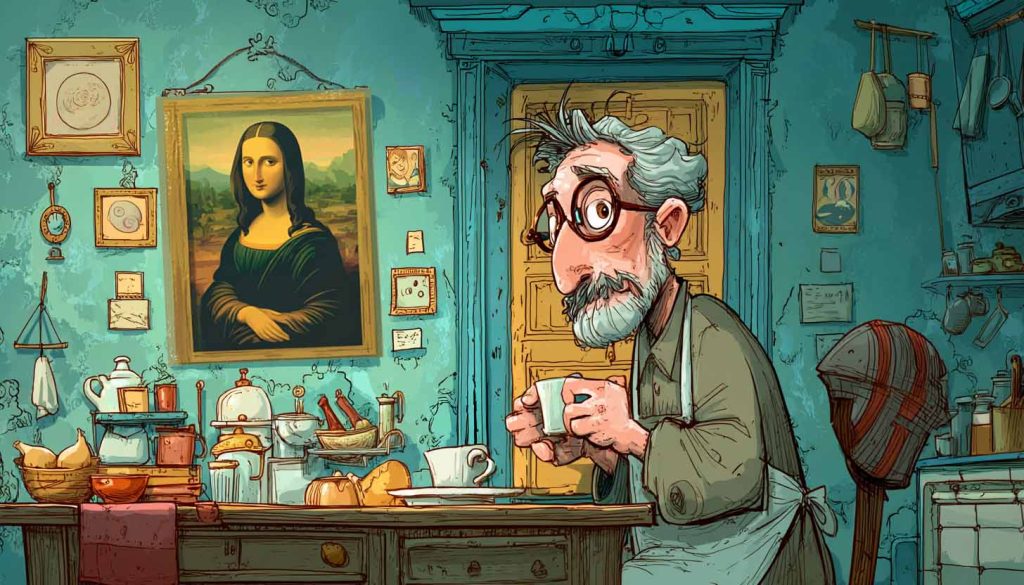
Per più di due anni, la Mona Lisa rimase nascosta nel piccolo appartamento parigino di Peruggia, finché non tentò di venderla a un mercante d’arte a Firenze. Fu allora che la truffa venne scoperta. Il dipinto venne recuperato e riportato trionfalmente al Louvre nel 1914.
For more than two years, the Mona Lisa remained hidden in Peruggia’s tiny Paris apartment until he tried to sell her to an art dealer in Florence. That’s when the jig was up. The painting was recovered and triumphantly returned to the Louvre in 1914.
E gli italiani? Molti applaudirono Peruggia, considerandolo un eroe patriottico che aveva semplicemente “riportato la Gioconda a casa” — la prova che, in fondo, gli italiani hanno sempre visto La Gioconda come una di loro.
And the Italians? Many cheered for Peruggia, seeing him as a patriotic hero who had simply “brought Mona Lisa home” — proof that, deep down, Italians will always claim La Gioconda as one of their own.
Arte nascosta, misteri ritrovati
Hidden Art, Rediscovered Mysteries
Se le storie di capolavori rubati e tesori nascosti ti affascinano, allora amerai il mio romanzo Waking Isabella — un racconto che esplora il misterioso mondo delle opere d’arte scomparse durante la Seconda Guerra Mondiale, nascoste in soffitte, sigillate in cantine e dimenticate per decenni… fino a quando non riemergono ai giorni nostri.
If stories of stolen masterpieces and hidden treasures intrigue you, you’ll love my novel Waking Isabella — a tale that delves into the mysterious world of artworks lost during World War II, hidden in attics, sealed away in basements, and forgotten for decades… until they begin to resurface today.
Quindi, se sei pronto a diventare una detective della storia dell’arte, metti alla prova il tuo italiano e immergiti in una storia in cui il passato torna a vivere — prova a leggere l’edizione italiana,Il risveglio di Isabella. È un modo perfetto per migliorare il tuo italiano mentre ti lasci trasportare in un mondo di intrighi, romanticismo e arte ritrovata.
So, if you’re ready to become an art-history detective, practice your Italian and immerse yourself in a story where the past comes back to life — try reading the Italian edition, Il risveglio di Isabella. It’s a perfect way to brush up on your Italian while getting lost in a world of intrigue, romance, and rediscovered art.
🇮🇹 Un consiglio dalla Matta 🇮🇹
Matta Italian Language Tip!
The Many Shades of “Colpo”
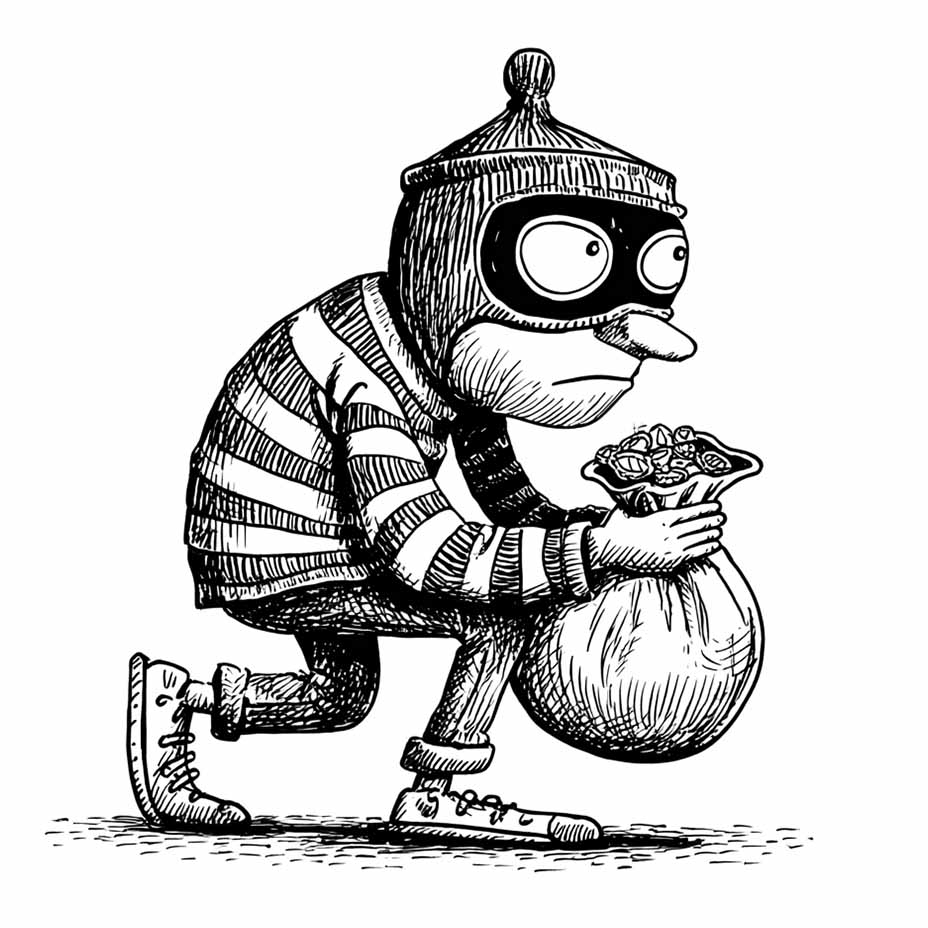
The Italian word colpo is incredibly versatile — and perfect for a conversation about museum robberies and jewel heists! It literally means “a hit” or “a blow,” but depending on the context, it takes on a whole range of colorful meanings.
Il colpo – the heist or job
Hanno messo a segno un colpo al museo!
They pulled off a heist at the museum!
Un colpo d’aria – a draft (of cold air)
Mi è venuto un colpo d’aria e ora ho il torcicollo.
I caught a draft and now I have a stiff neck.
Un colpo di fulmine – love at first sight
È stato un colpo di fulmine!
It was love at first sight!
Capire di colpo – to understand suddenly / all at once
Ho capito tutto di colpo!
I suddenly understood everything!
Un colpo di scena – a twist or surprise ending
Il film finisce con un colpo di scena!
The movie ends with a shocking twist!
Un colpo di fortuna – a stroke of luck
Ho trovato un biglietto gratis — che colpo di fortuna!
I found a free ticket — what luck!
Un colpo [colpetta] alla porta – a knock on the door
Ho sentito un colpo alla porta e sono andata ad aprire.
I heard a knock on the door and I went to open it.
So whether it’s a colpo al cuore (a heartbreak), colpo di genio (a stroke of genius), or colpo di sonno (nodding off), Italians use colpo to describe everything from clever crimes to flashes of inspiration.
Another Matta Tip: If you’d like to print or create a PDF of this post you can easily do so using the Chrome Browser Extension —-> GoFullPage! It works beautifully!
Read the novel that was inspired by stolen masterpieces from the Louvre!

Waking Isabella
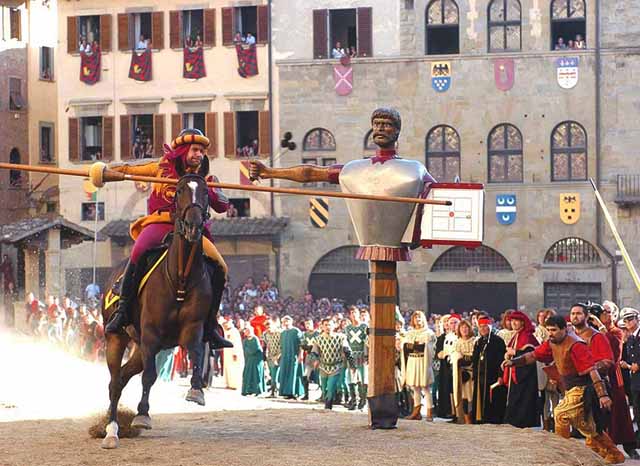
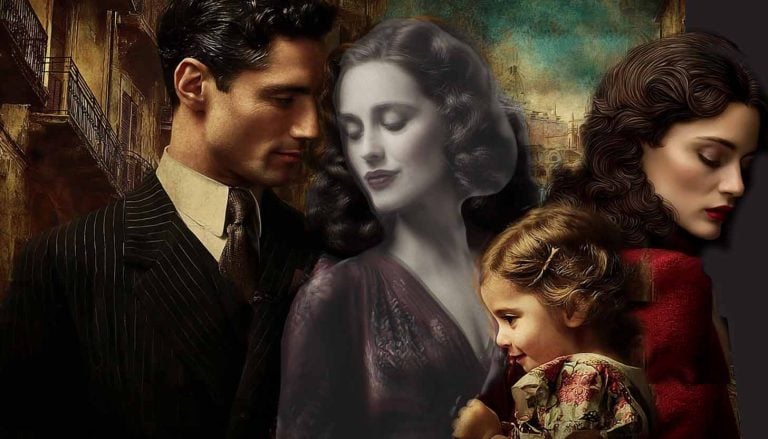
Waking Isabella is a story about uncovering hidden beauty that, over time, has been lost, erased, or suppressed. It also weaves together several love stories as well as a few mysteries. Nora, an assistant researcher, is a catalyst for resolving the puzzle of a painting that has been missing for decades. Set in Arezzo, a small Tuscan town, the plot unfolds against the backdrop of the city’s antique trade and the fanfare and pageantry of its medieval jousting festival. While filming a documentary about Isabella de’ Medici—the Renaissance princess who was murdered by her husband—Nora begins to connect with the lives of two remarkable women from the past. Unraveling the stories of Isabella, the daughter of a fifteenth-century Tuscan duke, and Margherita, a young girl trying to survive the war in Nazi-occupied Italy, Nora begins to question the choices that have shaped her own life up to this point. As she does, hidden beauty is awakened deep inside of her, and she discovers the keys to her creativity and happiness. It is a story of love and deceit, forgeries and masterpieces—all held together by the allure and intrigue of a beautiful Tuscan ghost.