Scacco Matto! Come Vincere, Perdere e Imbrogliare in Italiano
Checkmate! How to Win, Lose, and Cheat in Italian
La vita è un gioco – specialmente in Italia!
Life is a game – especially in Italia!
In Italia, i giochi non sono soltanto un passatempo. Sono teatro, strategia, dramma, vendetta, fortuna… e a volte anche un po’ di caos familiare durante le vacanze di Natale. Dagli scacchi alle carte, gli italiani amano giocare, discutere sulle regole, accusare qualcuno di aver barato… e naturalmente vincere.
In Italy, games are not just a pastime. They are theater, strategy, drama, revenge, luck… and sometimes a little family chaos during Christmas holidays. From chess to card games, Italians love to play, argue about the rules, accuse someone of cheating… and naturally, win.
Scacco Matto! Il linguaggio degli scacchi
Checkmate! The language of chess
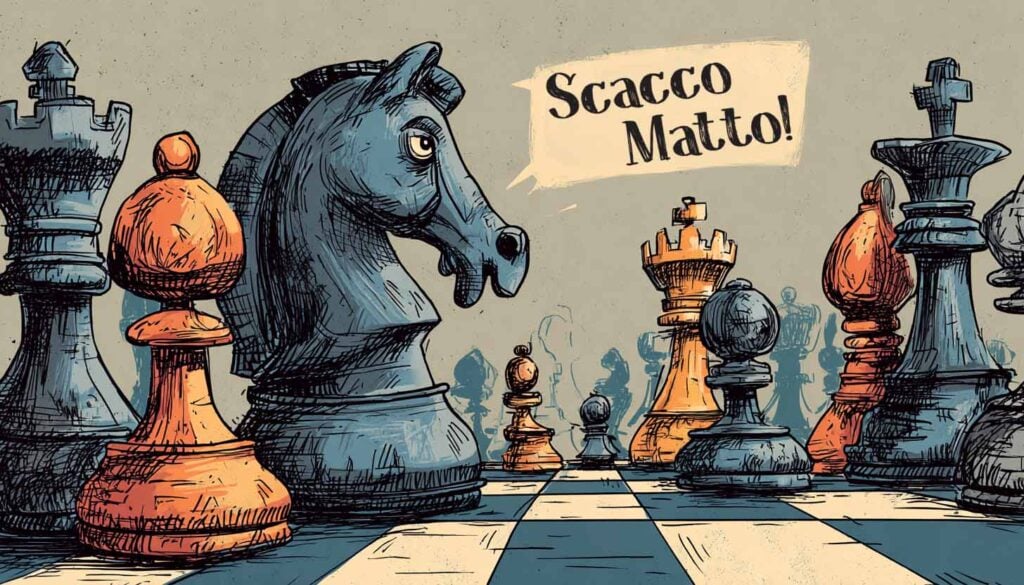
La parola più teatrale degli scacchi in italiano? Scacco matto!
The most theatrical chess expression in Italian? Scacco matto!
Sembra quasi il titolo di un’opera lirica: il re è intrappolato, la regina osserva trionfante, il cavallo scalpita, la torre blocca ogni via di fuga… e tutto il regno trattiene il respiro.
It almost sounds like the title of an opera: the king is trapped, the queen watches triumphantly, the knight paws the ground, the rook blocks every escape route… and the whole kingdom holds its breath.
La parola scacco significa “check,” cioè il momento in cui il re è minacciato. Ma Scacco matto è il colpo finale: “checkmate.” Il re non può più muoversi, nessun pezzo può salvarlo, e la partita finisce con un piccolo dramma reale.
The word scacco means “check,” the moment when the king is under threat. But scacco matto is the final blow: “checkmate.” The king can no longer move, no piece can save him, and the game ends with a tiny royal tragedy.
E quel matto? Non significa semplicemente “pazzo,” anche se negli scacchi un po’ di follia strategica non guasta mai. L’espressione deriva dall’arabo shāh māt, che significa “il re è sconfitto” oppure “il re è morto.” Insomma, non è soltanto una mossa: è la frase micidiale che ci dice che il re ha finalmente perso il suo regno.
And that matto? It doesn’t simply mean “crazy,” though in chess a little strategic madness never hurts. The expression comes from the Arabic shāh māt, meaning “the king is defeated” or “the king is dead.” In short, it isn’t just a move: it’s the killer phrase that tells us the king has finally lost his kingdom.
I pezzi degli scacchi
The chess pieces
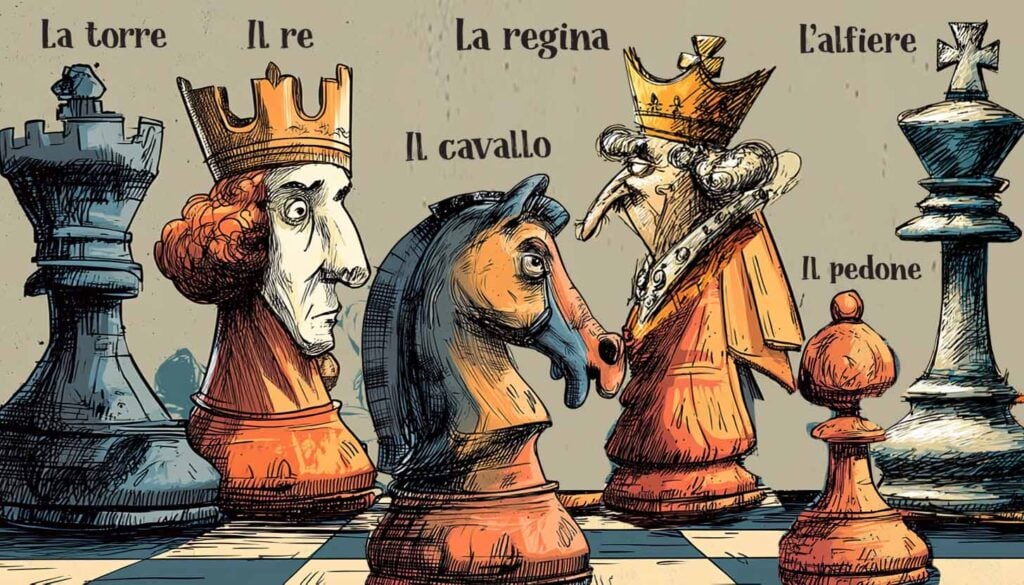
Prima di dichiarare scacco matto, dobbiamo conoscere il cast reale dei personaggi sulla scacchiera. Ogni pezzo ha la sua personalità: il re si muove con cautela, la regina attraversa la scacchiera con sicurezza, la torre rimane salda come una piccola fortezza e i pedoni avanzano come soldati determinati.
Before we can declare scacco matto, we need to meet the royal cast of characters. On the chessboard, every piece has its own personality: the king moves cautiously, the queen sweeps across the board with confidence, the rook stands firm like a little fortress, and the pawns march forward like determined foot soldiers.
Ma il cavallo? Il cavallo è sempre il pezzo più teatrale. Salta sopra gli altri pezzi come un turista disperato che cerca di prendere il treno per Firenze all’ultimo minuto.
But the knight? The knight is always the most theatrical piece. It jumps over other pieces like a desperate tourist trying to catch the train to Florence at the last second.
Espressioni utili negli scacchi
Useful chess expressions
Una partita di scacchi = A game of chess
Tocca a te = It’s your turn
Muovere un pezzo = To move a piece
Fare una mossa = To make a move
Mangiare un pezzo = To capture a piece
Pareggio = Draw/Tie
Vincere la partita = To win the match
Perdere la partita = To lose the match
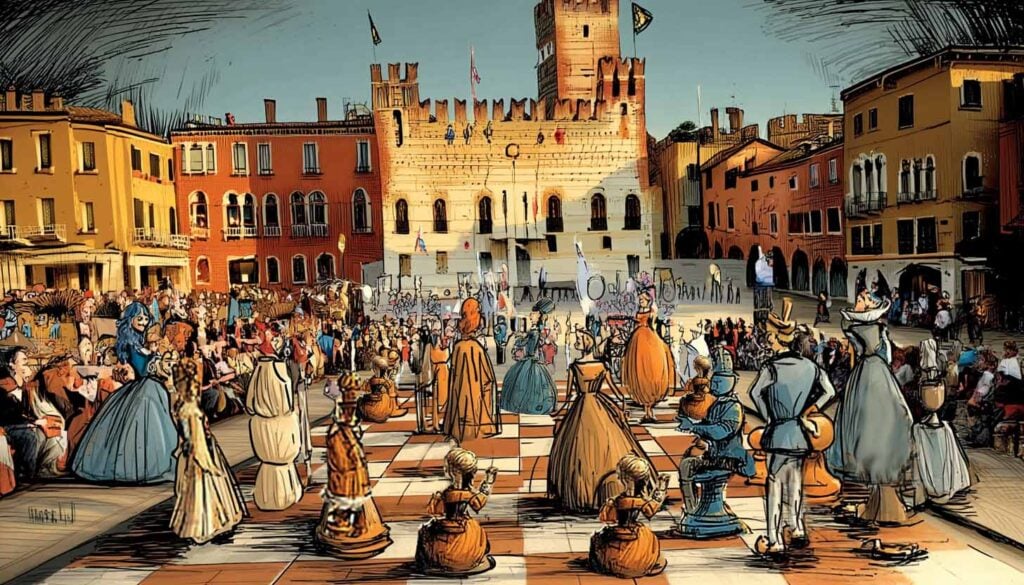
Scacco Matto in Piazza – La vera partita a scacchi vivente d’Italia
Checkmate in the Piazza — Italy’s Real-Life Game of Chess
Ecco una curiosità divertente! La più famosa partita di scacchi vivente d’Italia si svolge a Marostica, una cittadina medievale del Veneto vicino a Vicenza.
Here’s a fun fact! The most famous giant live chess match in Italy takes place in Marostica, a medieval town in the Veneto region near Vicenza.
Ogni due anni, Marostica ospita la spettacolare Partita a Scacchi di Marostica, dove persone vestite con costumi rinascimentali diventano giganteschi pezzi degli scacchi nella Piazza degli Scacchi. La partita si gioca su un enorme scacchiere di marmo costruito direttamente nella piazza.
Every two years, Marostica stages the spectacular Partita a Scacchi di Marostica, where people dressed in Renaissance costumes become giant chess pieces in Piazza degli Scacchi. The game is played on an enormous marble chessboard built right into the square.
La tradizione nasce da una leggenda romantica del 1454: due nobili volevano sposare la figlia del governatore e, invece di sfidarsi in duello, decisero di risolvere tutto con una partita a scacchi. Molto italiano: meno spade, più strategia teatrale.
The tradition comes from a romantic legend from 1454: two noblemen both wanted to marry the governor’s daughter, so instead of fighting a duel, they settled the matter with chess. Very Italian: less sword fighting, more theatrical strategy.
Giochiamo a carte!
Let’s play cards!
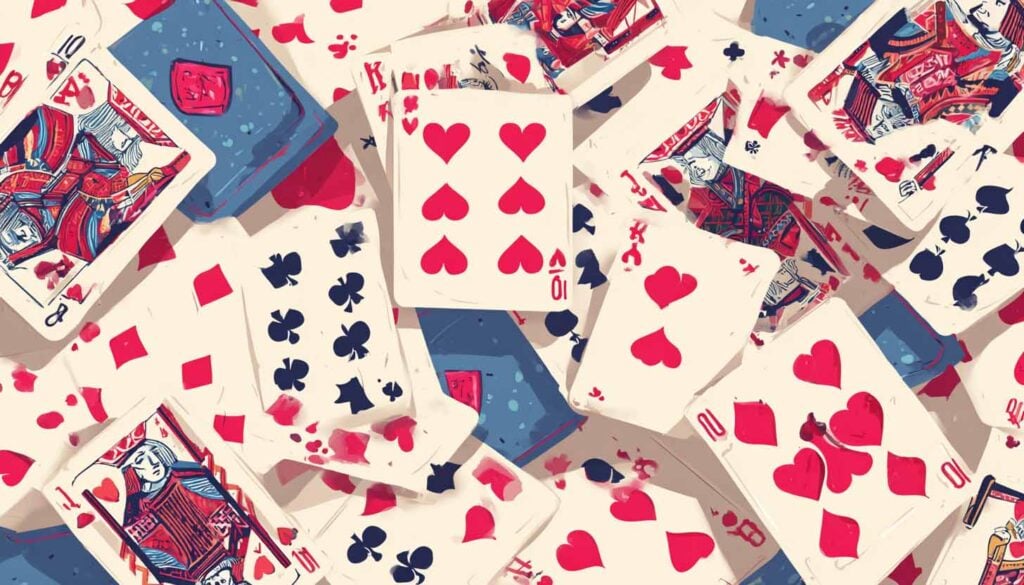
Chi non ama una bella partita a carte? Dal poker alla Briscola, alla Scala Quaranta e alla Scopa, in Italia le carte hanno il dono di apparire ovunque: nei caffè, in spiaggia o attorno al tavolo della cucina dopo il pranzo della domenica con i nonni, come se qualcuno avesse mescolato il mazzo e distribuito un pizzico di magia.
Who doesn’t love a good card game? From poker to Briscola, Scala Quaranta and Scopa, cards have a way of appearing everywhere in Italy: in cafés, at the beach, or around the kitchen table after Sunday lunch with the grandparents, as if someone shuffled the deck and dealt out a little magic.
E per chi studia l’italiano, queste piccole parole meritano di essere conosciute. I termini degli scacchi e i nomi delle carte compaiono continuamente nei cruciverba italiani, quindi conoscere parole legate agli scacchi e ai giochi di carte può aiutarti a risolvere gli indizi più velocemente e a sentirti piacevolmente furbo mentre lo fai.
And for language learners, these little words are worth knowing. Chess terms and card names pop up constantly in Italian crossword puzzles, so knowing words from chess and card games can help you solve clues faster and feel ever so clever while doing it.
I semi delle carte
Card suits
Cuori = Hearts
Fiori = Clubs
Quadri = Diamonds
Picche = Spades
Le figure
Face cards
Re = King
Regina = Queen
Fante = Jack
Asso = Ace
Le parole delle carte
Card game vocabulary
Mescolare le carte = To shuffle the cards
Dare le carte = To deal the cards
Pescare una carta = To draw a card
Scartare una carta = To discard a card
Barare = To cheat
Puntare = To bet
La mano = Hand
Il mazzo = Deck
Practice Italian with crossword puzzles at every level on the Linguno Language Learning site. It’s a great way to turn language practice into a game while building vocabulary, reviewing grammar structures, and strengthening verb tenses. You can also sharpen your listening skills with interactive audio games that train your ear to recognize words and phrases in real time. Check it out!

Vincere, Perdere e Fare Piazza Pulita
Winning, Losing, and Making a Clean Sweep
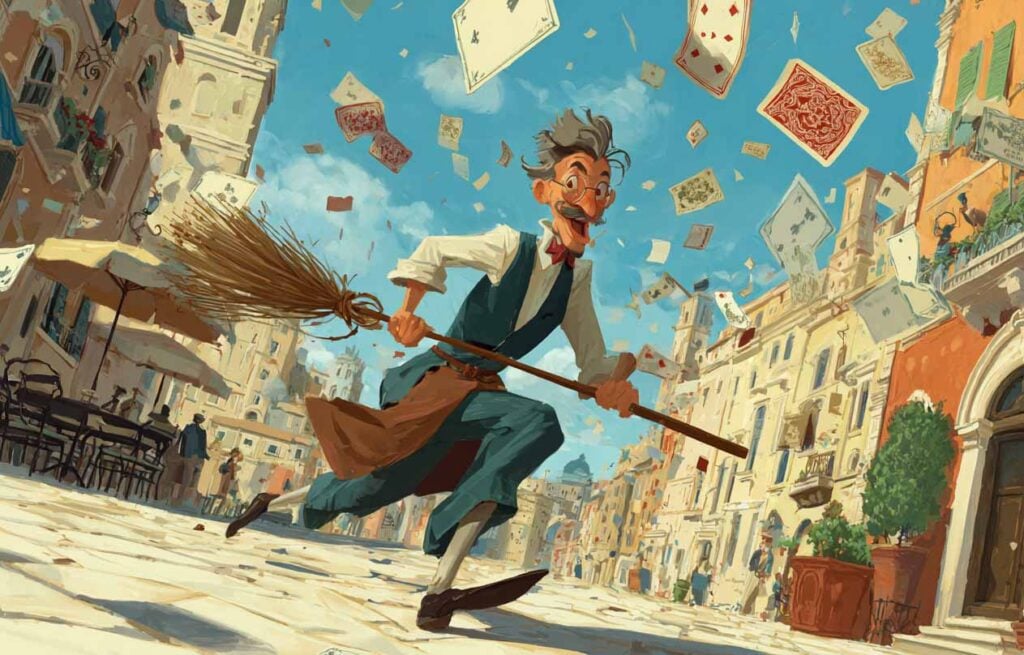
Il gioco di carte Scopa è forse il gioco più iconico d’Italia. La parola significa “broom” perché quando raccogli tutte le carte sul tavolo tu vinci… fai piazza pulita.
The card game Scopa is perhaps Italy’s most iconic game. The word means “broom” because when you collect all the cards on the table you win… you sweep everything away.
In una partita tipica, ogni giocatore riceve tre carte e quattro carte vengono messe scoperte sul tavolo. Durante il tuo turno, giochi una carta dalla tua mano e cerchi di prendere le carte sul tavolo che sommate insieme hanno lo stesso valore. Per esempio, se giochi un sette e sul tavolo ci sono un quattro e un tre, puoi prenderli entrambi perché 4 + 3 = 7. Se invece la tua carta corrisponde esattamente a una sola carta sul tavolo, puoi prendere anche quella.
In a typical game, each player receives three cards, and four cards are placed face up on the table. On your turn, you play one card from your hand and try to capture cards from the table that add up to the same value. For example, if you play a sette and there is a quattro and a tre on the table, you can take both because 4 + 3 = 7. If your card matches one card exactly, you can take that card too.
Ecco alcune parole utili da conoscere sia che tu stia vincendo gloriosamente, perdendo drammaticamente o trovandoti da qualche parte nel mezzo… perché quando si tratta di imparare l’italiano, ogni nuova parola è già una grande vittoria.
Here are some handy words to know whether you’re winning gloriously, losing dramatically, or somewhere in between… because when it comes to learning Italian, every new word is already a big win.
Vincere = To win
Battere qualcuno = To beat someone
Superare = To surpass
Trionfare = To triumph
Fare fuori qualcuno = To wipe someone out
Ti batterò a carte! = I’ll beat you at cards!
Perdere = To lose
Essere sconfitto = To be defeated
Fare una figuraccia = To embarrass yourself
Andare male = To go badly
Essere sfortunato = To be unlucky
Ho perso tutto! = I lost everything!
Imbrogliare come un professionista
Cheating like a professional
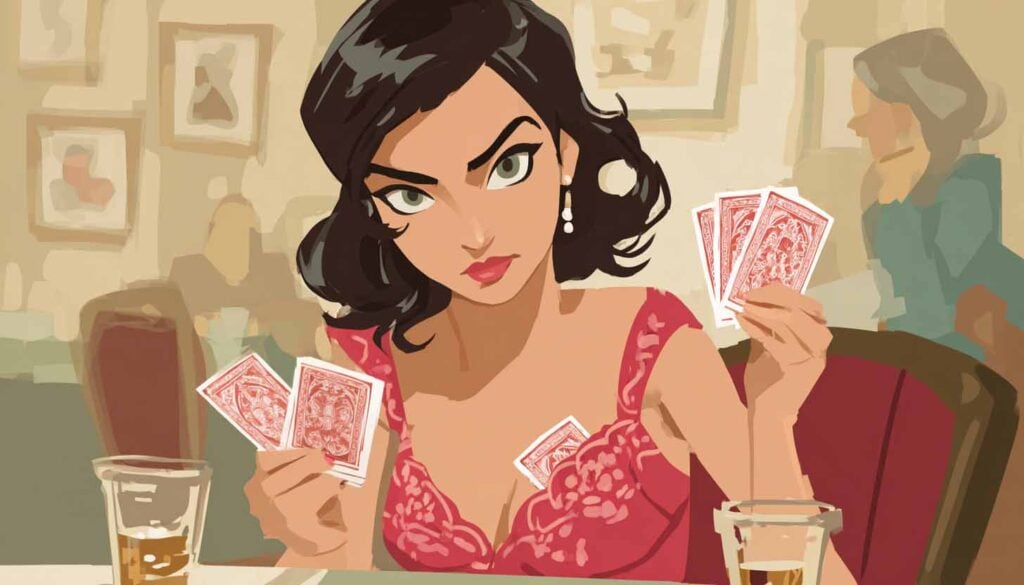
Naturalmente NON consigliamo di barare. La Studentessa Matta gioca sempre onestamente! Però l’italiano ha parole così colorite per descrivere trucchi, truffe, confusione e piccole scorciatoie furbe che è impossibile ignorarle. Dopotutto, se qualcuno nasconde un asso nella manica o “accidentalmente” dimentica le regole, vorrai sapere esattamente come accusarlo in italiano.
Of course, we do NOT recommend cheating. La Studentessa Matta always plays fair! But Italian has such colorful words for tricks, scams, confusion, and sneaky little shortcuts that we simply can’t ignore them. After all, if someone hides an ace up their sleeve or “accidentally” forgets the rules, you’ll want to know exactly how to accuse them in Italian.
Imbrogliare = To cheat/trick
Barare = To cheat in a game
Truffare = To scam
Scroccare = To mooch/free-load
Incasinarsi = To get into a chaotic mess
Sbarrare = To block/cross out
Mi hai imbrogliato! = You cheated me!
Non vale! = That doesn’t count!
Hai barato! = You cheated!
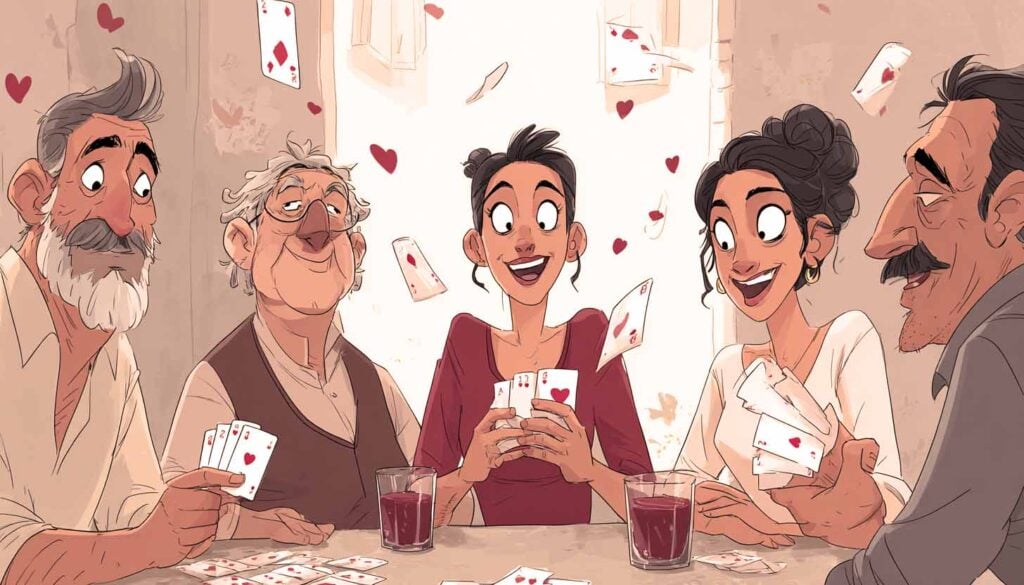
Che casino!
La lingua è un gioco da giocare
Language Is a Game Meant to Be Played
Non devi essere un campione di poker o un maestro di scacchi per divertirti con il gioco, proprio come non hai bisogno di una memoria fotografica per imparare una lingua. Il segreto è rendere l’apprendimento giocoso: infilare qualche parola nuova nella tua routine quotidiana, provarla, dirla ad alta voce e inserirla poco a poco nelle tue conversazioni e nella tua scrittura.
You don’t have to be a card shark or a chess master to enjoy the game, just as you don’t need a photographic memory to learn a language. The secret is to make language learning playful: slip a few new words into your daily routine, test them out, say them aloud, and weave them into your conversations and writing.
E se fai un errore? Raccogli le tue carte, rimescola il mazzo, salva il tuo povero re dall’angolo della scacchiera e ricomincia. Nell’apprendimento delle lingue, come nella vita, spesso sono proprio gli errori le mosse che ci insegnano di più. Impari, ti adatti e vai avanti, questa volta con una comprensione più chiara, una strategia più affilata, un orecchio più allenato e qualche parola italiana in più nascosta ordinatamente nella manica.
And if you make a mistake? Pick up your cards, reshuffle the deck, rescue your poor king from the corner of the board, and begin again. In language learning, as in life, mistakes are often the moves that teach us the most. You learn, adjust, and keep going, this time with a clearer understanding, a sharper strategy, a better ear, and a few more Italian words tucked neatly up your sleeve.
🇮🇹 Un consiglio dalla Matta 🇮🇹
Matta Italian Language Tip!
Idiomi italiani ispirati ai giochi
Italian idioms inspired by games
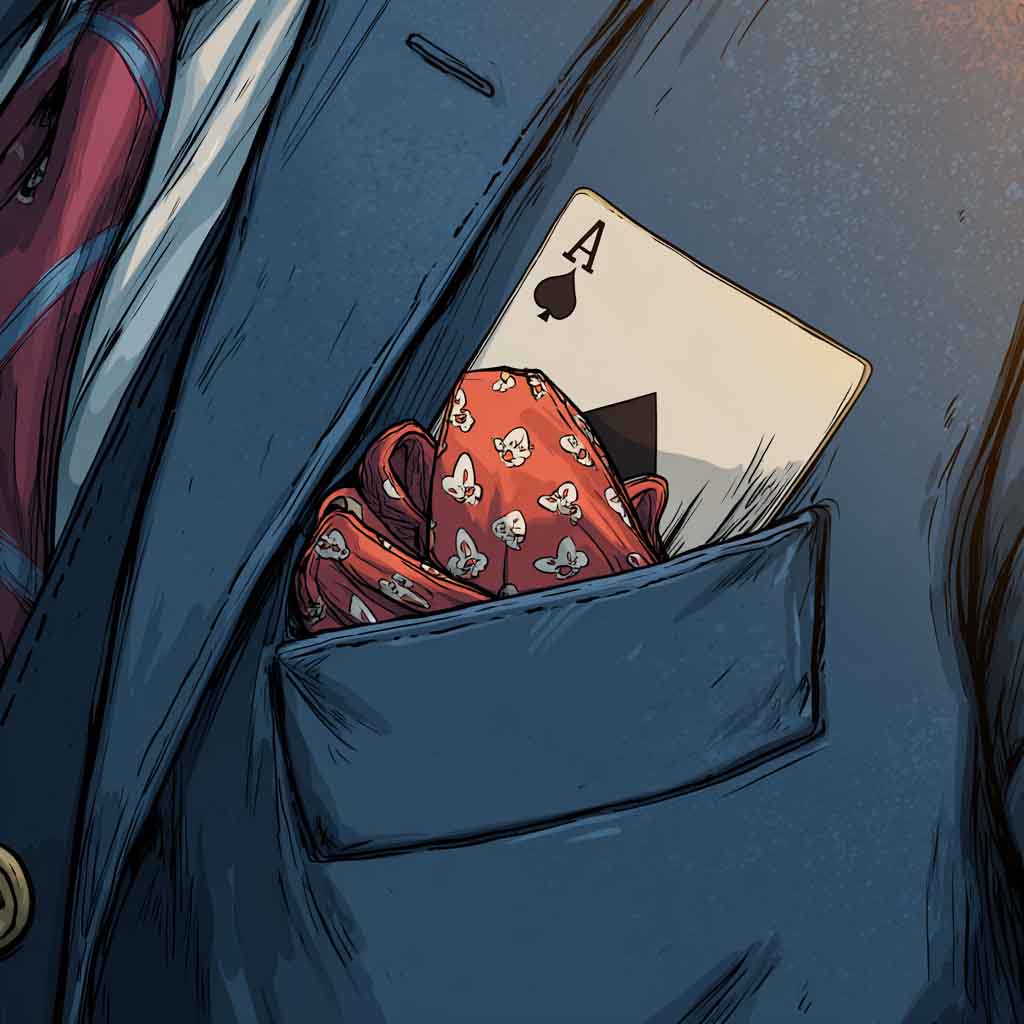
Avere un asso nella manica (o tasca)
= have an ace up your sleeve or in your pocket
Pensavi di vincere? Aspetta… ho ancora un asso nella manica.
You thought you were going to win? Wait… I still have an ace up my sleeve.
Gioco da ragazzi = Child’s play
Something very easy.
Per lei imparare l’italiano è un gioco da ragazzi.
For her, learning Italian is child’s play.
Spennare il pollo = To pluck the chicken
Take advantage of someone, especially involving money or games.
Quei due al tavolo da poker… stanno cercando di spennare il pollo!
Those two at the poker table… they’re trying to take the poor guy to the cleaners!
Giocarsi tutto = To risk everything
Per aprire il suo ristorante in Toscana, si è giocato tutto.
To open his restaurant in Tuscany, he risked everything.
Another Matta Tip: If you’d like to print or create a PDF of this post you can easily do so using the Chrome Browser Extension —-> GoFullPage! It works beautifully!